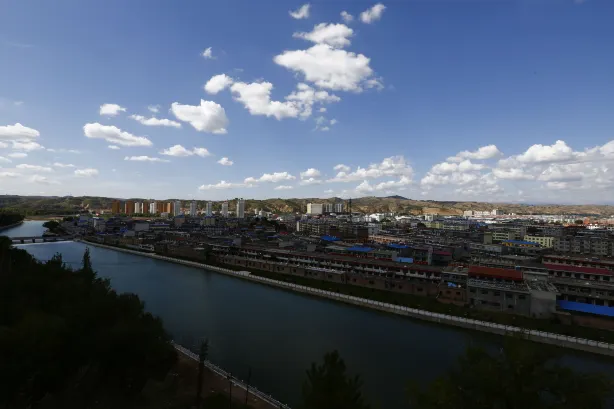
Jingle

Things to do in Jingle

Search attractions or local attractions & tours
Search

Explore top experiences

Top 10 attractions in Jingle

View all Attractions
Jinci Temple Museum
No. 1 of Family-friendly Attractions in Shanxi

Jinci Temple Museum

8.7
4.8/5
21.1k reviews

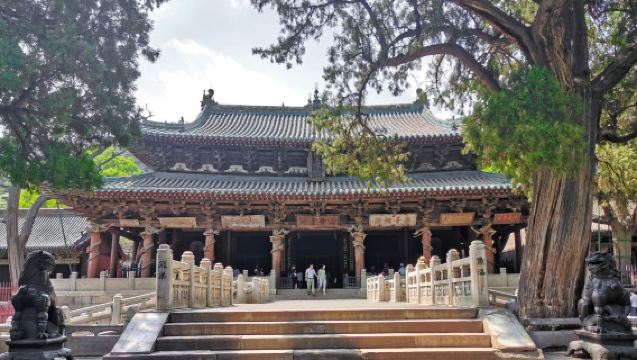
Jinci Temple Museum is located at the foot of Xuanweng Mountain by the banks of the Jin River. It is an ancestral temple built to commemorate Tang Shuyu, the founding feudal lord of the State of Jin, and is also one of the earlier surviving royal sacrificial gardens in China. There is a saying that "you have not truly visited Taiyuan until you have visited Jinci." The ancient buildings in the museum are arranged in sequence along the central axis, among which the Xian Hall, the Flying Bridge over the Fish Pond, and the Hall of the Holy Mother are known as the "three treasures," while the Zhou Cypress, the Never-Aging Spring, and the Song dynasty attendant statues are known as the "three wonders"—these are the core highlights of any visit. The "Three Treasures" are located on the central axis and can be visited together. Xian Hall is the place where sacrificial offerings are placed. The hall is surrounded by railings instead of walls, making it well-ventilated and bright, and its beam structure is simple and lightweight. The Flying Bridge Across Fish Pond is on the west side of Xian Hall. It is a cross-shaped ancient bridge built over a square pond, resembling a modern overpass in form, and this type of bridge structure is extremely rare among surviving ancient buildings. The west end of the bridge connects to Shengmu Hall, the oldest surviving building in the museum. Wooden carved dragons coil around the porch columns in front of the hall, making them relatively early surviving examples of wooden coiled dragons. The hall interior was built using the reduced-column method, creating a rather spacious interior. It houses dozens of Song Dynasty colored sculptures, with the main statue of Shengmu seated in the shrine and the remaining attendants arranged on both sides with varied expressions. One attendant statue is half joyful and half sorrowful, vividly lifelike and moving. With Shengmu Hall as the center, you can also seek out the "Three Wonders." The Zhou Cypress is located on the north side of Shengmu Hall. It is said to have been planted in the Western Zhou Dynasty, and its trunk leans south like a reclining dragon, full of ancient majesty. The Never-Aging Spring is located on the south side of Shengmu Hall and is the main source of the Jin River. The museum also houses the Stele of the Inscription and Preface to Jinci, composed and handwritten by Emperor Taizong of Tang, Li Shimin, whose running-script calligraphy is vigorous and forceful. In the southern part is the Shifang Fengsheng Zen Temple, said to have originally been the villa of the Tang Dynasty general Yuchi Gong. In the Futu Courtyard, the Sarira ShengSheng Pagoda can be climbed for a distant view. The Jinci temple fair has been passed down to the present day and has been included in the national-level intangible cultural heritage list. The Water Mirror Stage, an ancient theater stage in the museum, is an important venue for activities during the temple fair.

Taiyuan · 84.6km from Jingle
Shanxi Museum
No. 9 of Best Things to Do in Shanxi

Shanxi Museum

8.1
4.8/5
3.5k reviews

"Five thousand years of history can be seen in Shanxi." Located on Binhe West Road in Taiyuan, the Shanxi Museum showcases the essence of Shanxi's cultural relics. The museum consists of a main building and four corner annexes, with the main building resembling both a dipper and a ding vessel, serving as the primary venue for travelers to view the collection. The main building has four floors. The first-floor lobby features a general service desk, while the second and third floors host thematic exhibitions on history and culture. The fourth floor showcases art-themed exhibitions, which together form the permanent displays of the Shanxi Museum. After entering the first-floor lobby, proceed to the second floor via the stairs to begin the historical journey themed "Soul of Jin." The cultural and historical thematic exhibition showcases the highlights of Shanxi's five-thousand-year civilization through numerous precious artifacts, ranging from ancient human relics to the rise and fall of Shanxi merchants during the Ming and Qing dynasties over five centuries. During your visit, several exquisite artifacts are not to be missed. The bird zun, a bronze ritual vessel from the Western Zhou period, was used in the ancestral temple sacrifices of the Jin marquis. The bird zun features an exquisitely crafted design with a phoenix as its main form. On the phoenix's back rests a small bird, serving as the handle for the vessel's lid. At the tail of the phoenix, an elephant is depicted, with its long trunk perfectly balancing the phoenix's two legs to form a stable tripod base. This artifact is a representative piece among the bronze collections in the museum. In addition, you can also admire: the Houma covenant texts, which are oath documents from the Spring and Autumn period used by the ministers of the Jin state; the lacquered wooden panel paintings, a painted screen from the Northern Wei dynasty depicting colorful stories from the "Biographies of Exemplary Women"; the white marble sarcophagus, a relic from the Sui dynasty, belonging to a tomb occupant who was a member of the Central Asian Yu people, with intricate carvings both inside and outside the sarcophagus, featuring figures with deep-set eyes, high noses, and black hair, characteristic of the Mediterranean Caucasian race. In the cultural thematic exhibition, you can also learn about the origins and development of Buddhism and traditional opera in Shanxi. The fourth floor of the main hall features an art thematic exhibition area. Among them, the "Timber and earth splendor" - ancient architectural art thematic exhibition showcases Shanxi's status as a province rich in cultural relics and ancient structures. "For above-ground relics, look to Shanxi" - Shanxi is renowned as the "treasure trove of ancient Chinese architecture," boasting over half of China's above-ground ancient structures with comprehensive categories, especially in the quantity of religious buildings. If you're a fan of ancient architecture, this is a must-visit. The Shanxi Museum also hosts temporary exhibitions periodically. At the first-floor lobby service desk, services such as hiring on-site guides (Chinese and English) and renting audio guides are available. The main building also houses a restaurant and a tea house for visitors.

Taiyuan · 75.5km from Jingle
Yingxian Wooden Pagoda
No. 3 of Best Things to Do in Shanxi

Yingxian Wooden Pagoda

8.6
4.8/5
26k reviews

Yingxian Wooden Pagoda is centered on the Sakyamuni Pagoda of Fogong Temple. This pure wooden pavilion-style pagoda was first built in the second year of Qingning of the Liao Dynasty (1056) and later expanded and completed during the Mingchang period of the Jin Dynasty. It is the oldest surviving wooden pagoda in China. The pagoda has five visible stories, with concealed stories inserted between them, making nine stories in total, and stands about 67 m tall. Apart from the stone platform base on the first story, the main body of the pagoda is built entirely of wood, connected using traditional mortise-and-tenon craftsmanship, and the whole pagoda uses more than 50 types of bracket sets, demonstrating exquisite structural design. For more than nine hundred years, the pagoda has withstood many major earthquakes and modern artillery bombardment and still stands today. Due to the need for cultural relic protection, visitors may only visit the first floor inside the pagoda. There is a door on each of the north and south sides of the first floor. In the center of the inner chamber is a seated statue of Shakyamuni about 10 m tall, with a dignified face and a solemn expression. Looking up, you can see the exquisite coffered ceiling at the top. On the walls of the inner chamber are painted six Buddha images of Tathagata, and on the walls on both sides of the doorway are painted Liao Dynasty-style murals featuring Vajra, disciples, and offering figures, with bright colors and lifelike figures. Multiple plaques from various dynasties hang under the eaves of each story of the wooden pagoda, two of which were written by Ming emperors and are particularly striking. Under the south eaves of the fifth story hangs the plaque "Supreme Divine Craftsmanship," written by Zhu Di, Emperor Chengzu of Ming, when he climbed the pagoda during a northern military campaign in the Yongle era; under the south eaves of the fourth story hangs the plaque "Wonder of the World," written by Zhu Houzhao, Emperor Wuzong of Ming, when he ascended the pagoda to feast and reward his ministers after the Yingzhou victory in the Zhengde era. These plaques are not only calligraphic treasures but also record the intersection of the wooden pagoda with historical figures, together with the architecture itself forming a distinctive cultural view of the attraction.

China · Ying County
The Hukou Waterfall Scenic Area
No. 4 of Best Things to Do in Shanxi

The Hukou Waterfall Scenic Area

8.5
4.7/5
22.8k reviews

The Hukou Waterfall Scenic Area is located in the Jin-Shaan Grand Canyon in the middle reaches of the Yellow River and is the Shanxi-side section for viewing Hukou Waterfall. As the Yellow River rushes here, its surface suddenly narrows from several hundred meters wide to just a few dozen meters. The water, laden with silt, churns and pours down like water being poured into a giant kettle, which is how the name "Hukou" (Kettle Mouth) came to be. This is a rare yellow waterfall on the Yellow River, with muddy waves surging skyward and a roar like thunder, displaying magnificent momentum. The attraction is located on the east side of the waterfall, where the bank is relatively low, allowing visitors to look up and take in the full panorama of the Yellow River plunging downward. Below the waterfall, mist rises and fills the air, appearing like smoke or clouds from afar and creating the wondrous sight known as "smoke rising from the water"; on clear days, sunlight refracts through the mist to form a rainbow arching across the river, called "rainbow reaching the heavens." Within the attraction, Dragon Cave is a natural stone cave; following the stone steps down leads to a viewing platform close to the waterfall, where you can look up as the river pours down from above—an ideal spot to feel the force of the waterfall up close. Downstream from the waterfall, the Ten-Mile Dragon Trough is a deep channel formed by the river's long-term erosion of the riverbed; in the dry season, the trough floor is wide and flat, and ancients once used this terrain to haul boats along the bank, leaving behind the unique scene known as "sailing on dry land." Further downstream is Mengmen Mountain, where two huge rocks in the river split the Yellow River in two before the streams merge again; carved on the rock face are the four characters "Wo Zhen Kuang Liu" (Resting Here, Quelling the Raging Flow). The view of Hukou Waterfall is distinctive in each of the four seasons. Every year between April and May, peach blossoms bloom and the ice melts, coinciding with the "March peach blossom flood," when the abundant water volume makes the waterfall particularly spectacular. From September to November, the air is crisp in fall, and rainbows often appear in the mist, a phenomenon known as the "Hukou fall wind." Water volume is greater in spring and fall, and the sound of the water striking the rocks is like thunder, making these the best periods to admire the waterfall. The image of Hukou Waterfall once appeared on the CNY 50 banknote of the fourth series of the renminbi, making it a widely recognized classic symbol of Yellow River culture.

China · Ji County
Pingyao Ancient City
2027 Asia 100 - Night Attractions

Pingyao Ancient City

8.4
4.6/5
27.4k reviews

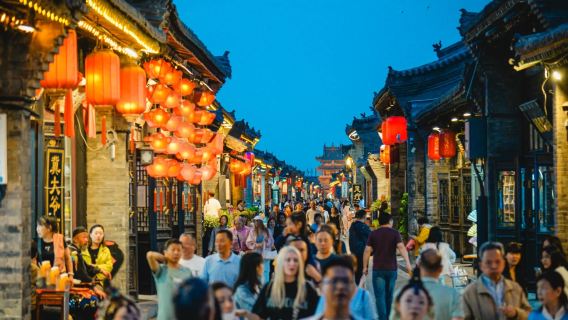
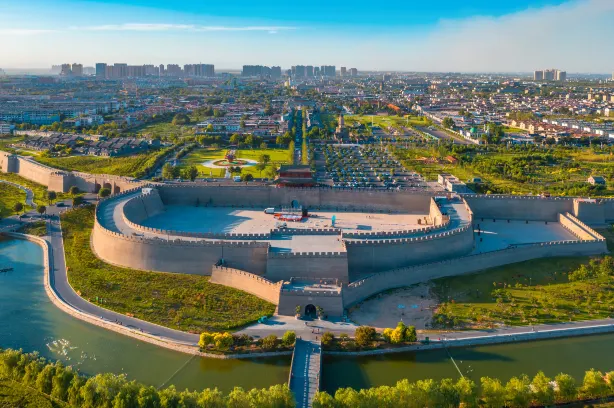
Pingyao Ancient City is one of the best-preserved ancient cities in China and, along with Lijiang Ancient City, is one of the two ancient cities in China to have successfully been designated as a World Cultural Heritage site in its entirety. Pingyao was once the financial center of China during the late Qing dynasty. Walking into this once-prosperous ancient city, you can feel the atmosphere of Shanxi merchant culture everywhere. The streets, shops, and residences within the ancient city still maintain their traditional layout and appearance. The overall street pattern is in the shape of the Chinese character 'tu', consisting of four main streets, eight small streets, and seventy-two lanes. The ancient city has six city gates in total, and the areas around the south gate and west gate are where visitors are concentrated. When touring, you usually enter the city through the lower west gate and walk along West Street to Rishengchang Exchange Shop, where you can learn about the development history of ancient banking and experience the legend of Shanxi merchants conducting business across the world. South Street, which runs north-south through the city, is the central axis of the ancient city. During the Ming and Qing dynasties, South Street gathered more than half of the country's financial institutions and was known as the "Wall Street of China" at the time. Today this street is called the Ming and Qing Ancient Street, and most of the ancient city's attractions are concentrated here. Centered on the landmark Market Tower, attractions such as Xietongqing Exchange Shop, Weitaihou Exchange Shop Museum, and the Chinese Escort Agency Museum are distributed around it, and a large number of shop buildings from the Ming and Qing periods are preserved along the street. At the Pingyao County Government Office in the south of the ancient city, you can see a large number of ancient documents and instruments of torture, and there is a daily performance of the county magistrate holding court; the City God Temple and the Confucian Temple in the east of the city have grand and refined architecture. The ancient city wall is very well preserved, and climbing the wall offers a panoramic view of the ancient city. The gate tower of Yingxun Gate at the south gate is especially exquisite, and watching the sunset from the city wall in the evening is a magnificent sight. In addition to the ancient city itself, the Zhenguo Temple and Shuanglin Temple outside the city are also part of the World Cultural Heritage. The Ten Thousand Buddha Hall of Zhenguo Temple is entirely made of wood, assembled with mortise and tenon joints without a single nail; Shuanglin Temple preserves painted sculptures from the Yuan to Ming dynasties, which are exquisite in form and renowned as a "treasure house of Eastern painted sculpture art."

China · Pingyao County

Experiences you can't miss in Jingle

Featured Day tours in Jingle

View all Day tours
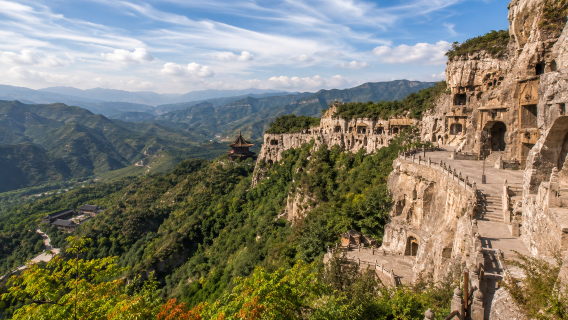
Taiyuan Ancient County + Mengshan Grand Buddha + Jinci Museum private charter 1-day tour with Chinese and English services
󱌍
5% off
Limited-time sale
FromHK$1,265.29HK$1,331.89
Private 1-day tour to Taiyuan Jin Temple, Tianlongshan Caves and Taiyuan ancient county town | small private group · multilingual guide
󱌍
Save HK$5
Limited-time sale
FromHK$1,819.69HK$1,824.69
Private Charter from Taiyuan: 1-Day Tour to Any 3 Scenic Spots Within Taiyuan City
󱌍
Duration: 9.1 hrs
English
Free cancellation
Instant confirmation
FromHK$665.95
Taiyuan Zoo + Shuangta Temple (Twin Pagoda Temple) + Bronze Museum + Liu Xiang private charter 1-day tour with Chinese and English services
󱌍
5% off
Limited-time sale
FromHK$1,265.29HK$1,331.89
1-day tour of North Wudang Mountain + Yiju Temple + An'guo Temple in Lvliang, Shanxi with bilingual service
󱌍
5% off
Limited-time sale
FromHK$1,518.35HK$1,598.27
Taiyuan Jinci Tianlong Mountain Attraction + Jinci Scenic + Manjiang Film Studio 1-day Tour with Chinese and English Services
󱌍
5% off
Limited-time sale
FromHK$1,265.29HK$1,331.89

Featured Culture & history in Jingle

View all Culture & history

Jingle Today's weatherClear -10-4℃
Jingle weather for the next 2 days11/21: -10-5℃, 11/22: -9-8℃

Free things to do in Jingle

What travellers say about Jingle
user-avatar
Mong Chu23 October 2026
5.0
Book your tickets through Trip.com and get a better deal with Trip coins than regular tickets. Visit Jinci in October, enjoying the beautiful autumn leaves. Jinci is the origin of Shanxi Province, a thousand-year-old temple where mountains, water, and ancient architecture blend seamlessly. The Fish Pond Flying Bridge is unique and rare, showcasing astonishing Song Dynasty wooden craftsmanship. The painted sculptures of maidens in the Holy Mother Hall are lifelike and expressive. The ancient cypress trees and the ever-flowing Nanlao Spring bear witness to the passage of time. Every brick and piece of wood carries cultural heritage and deserves careful appreciation.

Jinci Temple Museum

user-avatar
_TI***2n18 November 2026
5.0
The price was reasonable and the place was really worth visiting!

Yungang Grottoes

user-avatar
短途2 July 2026
5.0
Traveling alone is never synonymous with loneliness, but rather a profound dialogue with one's own soul. When we finally muster the courage to temporarily set aside those seemingly endless琐事 (trivial matters) and embark on a journey alone, we truly experience the ease and comfort of "traveling alone is wonderful." In this time without companions urging us on or needing to accommodate others' schedules, we can finally rightfully slow down. We don't need to rush to check off trendy tourist spots, nor do we need to struggle through crowds. We can stop at an unknown street corner just to see a lazy kitten basking in the sun; or we can sit on a bench, letting the breeze tousle our hair and feel time slowly slip through our fingers. This slowing down is the gentlest soothing comfort to tense nerves. We scatter the anxiety, confusion, and fatigue accumulated in our hearts, little by little, into the wind along the way. Traveling alone, stopping and starting, gives us ample space to process our emotions and re-examine our inner desires. When we learn to slow down on our journey, we learn how to treat ourselves gently.

Xinzhou Ancient City

user-avatar
jns023 August 2026
4.0
Nice museum. Very easy to get around. A lot of artifacts and they have special exhibits ok the ground floor. Was unfortunate to visit the museum on a very busy day. So it was quite packed

Shanxi Museum

user-avatar
Ping Punnapa1 November 2026
5.0
Majestic wooden pagoda with the breathtaking painting inside.

Yingxian Wooden Pagoda

user-avatar
xianzi2 July 2026
5.0
We often think that travel isn't complete without the excitement of a group. But when we actually try traveling alone, we discover how wonderful solitude can be. Traveling alone is a ritual of reconciliation with oneself. We can finally slow down, no longer rushing around to meet deadlines. We can spend an entire day in a quiet bookstore, just to finish a book we love; we can sit by the sea, listening to the waves, and whisper our secrets to the ocean. This slowing down is the best cure for our tense nerves. We melt away those unspeakable emotions in this free world. Traveling alone teaches us how to be with ourselves, how to draw strength from solitude. We no longer rush to find answers, but enjoy the process of searching. When we return to our daily lives with this composure and peace, we possess the confidence and gentleness to face any challenge.

The Hukou Waterfall Scenic Area

user-avatar
ada.tung19 November 2026
5.0
We visited other cities during this trip but Pingyao was definitely my favorite. The ambience and scenery were magic, much more relaxed than bigger cities. We made a good choice by staying two nights, the hotel was gorgeous and affordable. We also tried Shanxi specialties and we really loved them, I.e. the knife cut noodles and OMG the vinegar 🤤

Pingyao Ancient City

user-avatar
Jimothy Baldcock11 November 2026
5.0
The driver was exceptional. Careful, smooth and relaxing drive. At every stop he explained everything and accompanied us to help buy tickets etc which is particularly helpful to non-Chinese speakers. He was friendly, patient and kind. The smaller temples and pagodas were especially nice, quiet and in some interesting surroundings. Hanging Temple was impressive but may be hard going at busy periods (we arrived early morning in winter, -2 degrees so particularly quiet. Not for those with a fear of heights, or claustrophobia!

Xuankong Temple

user-avatar
Gaojianxin16 March 2021
5.0
There are two Tianzhu Mountains in China. The Tianzhu Mountain in Jingle County, Shanxi Province is called the North Tianzhu Mountain of China. The North Tianzhu Mountain of China is more than 1,500 meters above sea level. The mountain is lush with vegetation, steep mountains, and is popular with Buddhists.

Tianzhu Mountain

user-avatar
kenycon9526 October 2026
5.0
Really nice experience in Hohhot, if you have the chance to visit the area don’t miss this place. Also, try local food nearby the temple. highly recommended

Dazhao Temple

Trip Moments in Jingle

Popular cities near Jingle

Frequently asked questions

When choosing a tour, start with how much time you have and the kind of experience you're looking for. Trending options right now include Taiyuan Ancient County + Mengshan Grand Buddha + Jinci Museum private charter 1-day tour with Chinese and English services, Private 1-day tour to Taiyuan Jin Temple, Tianlongshan Caves and Taiyuan ancient county town | small private group · multilingual guide, and Private tour | 1-day tour of Taiyuan (Jinci Temple Museum + Pingyao Ancient City) with independent private car door-to-door pickup. Check the real-time availability and itinerary before you book.

As of 20 November 2026, the reference price for day tours and activities in Jingle is around HKD 598.93 – HKD 1,819.69. Rates vary by duration, group size, transport, tickets, meals, and any special admission requirements. Before you book, please confirm the billing currency and whether the price is quoted per person or per group.

Get help anytime, anywhere within 30 secondsContact customer support

Change and cancellation policies vary by attractions and tours. Please check the product details page for more information.

Ticket prices may vary between weekdays and weekends, as well as during peak and off-peak seasons. When booking with Trip.com, you can also use Trip Coins to get extra savings. For more tips on booking discounted tickets, please visit Trip.com for the latest information.