





 4.9/5
4.9/5 四颗心的小七阶
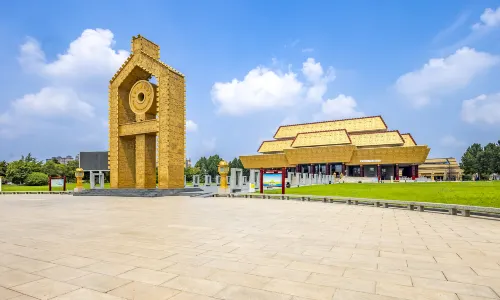
It is worth seeing. There are many knowledge points, not only to clearly present the development process of Chinese characters, but also to have a lot of interactive small games. The collection is rich and the evidence is full. The exhibition design has ideas, which is worthwhile.
 4.8/5
4.8/5 DanieShae97
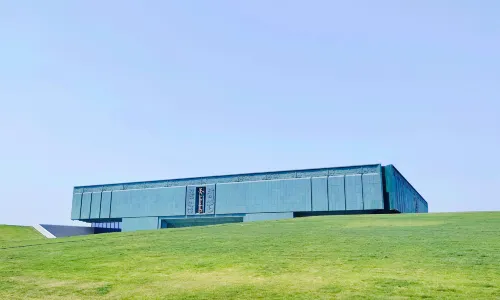
i had a really great time here. i even rented an audio guide (which was 40 or 45 rmb) so I could listen to each exhibit. my only complaint is that the audio guide kept turning itself to “auto” and skipping over where I actually was in the museum. i’m not sure I would recommend the audio guide because of that issue. when you exit the museum you can take a bus right outside the museum to some of the other locations nearby. if you don’t have a ticket, you can buy one for 2 RMB. the driver was kind and helpful.
 4.4/5
4.4/5 Anonymous user
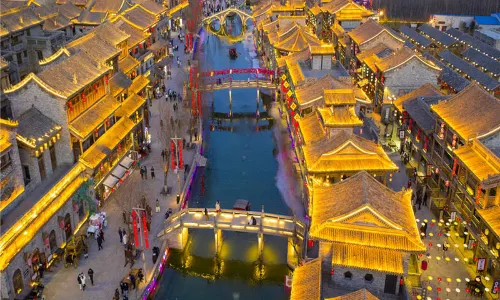
It's quite comfortable to walk around the ancient town of Longquan in Hebei! There are antique buildings inside, and it feels quite interesting to walk on the stone road. There are many small shops on the roadside, selling special snacks and gadgets, and you won't feel bored just walking around. The staff are very friendly and patiently answer questions when asking for directions or consulting. The scenic area is very clean and the road surface is flat, which is convenient for both elderly and children. When the lights are on in the evening, the ancient town looks more atmospheric and beautiful for taking pictures. The overall pace of the tour is not tense, and you can slowly feel the feeling of the old town. It is quite suitable for relaxing on weekends or holidays~
 4.8/5
4.8/5 把剑长歌
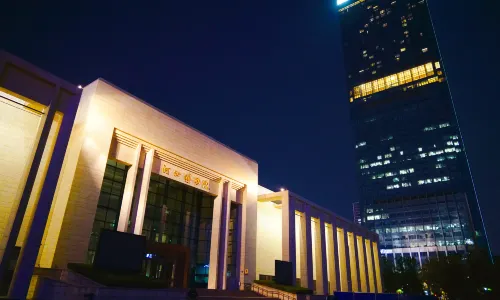
把剑长歌Go to Hebei Museum to see the special exhibition of Quyang stone carving, I like it very much! Quyang is the hometown of Chinese stone carving art, and Baishi carving is particularly famous. From the beginning of the West Han Dynasty, Quyang people mined the local white stone and took the road to carving. The world called Han Baiyu originates from this. The Han white jade stone carving unearthed at Jing Wang Liu Sheng tomb in the West Han Zhongshan, Mancheng County, Hebei Province, is the earliest Quyang stone carving ever seen. During the Northern Dynasty, Quyang became the center of northern Buddhism. The late Northern Wei Dynasty began to appear a large number of Baishi Buddhist statues, the East Wei, Beiqi and generally used the techniques of sculpting, painting gold coloring, round carving statues, etc., and the artistic level reached the peak. During the Sui and Tang periods, Quyang stone carvings tended to be pure and natural, and the characters were either straight and strong, or beautiful, and they were elegant and elegant. The five-generation kings were unearthed in the tomb of the daughter of Letu, full of richness, and the relief door gods were powerful and powerful, and the charm was compelling. Yuan Dynasty, on behalf of Quyang stone carving the highest level of Yang Qiong presided over the construction of Yuandu, stone carving art in the architectural field of great glory, opened a new direction, affecting future generations. In the Ming and Qing dynasties, Quyang stone carvings are everywhere in the palaces, pavilions, arches, temples, bridges and other buildings in Beijing. Contemporary buildings represented by the monuments of the people's heroes and Chairman Mao's memorial halls are deeply engraved with the imprint of Quyang craftsmen. Quyang stone carving with its unique charm and vitality lasted more than 2,000 years and endured.
 4.5/5
4.5/5 广雨晴
广雨晴It feels like breaking into a fairyland hidden in the depths of Taihang. The canyon is deep, the waterfalls are in groups, the dragon waterfalls are magnificent, and the roar is deafening; the jade waterfalls are gentle and beautiful, and the water drops like a curtain. The emerald sea is as clear as jasper, reflecting the green hills around it, and taking the boat on it, the body and mind are cured by this tranquil beauty. The snack street in the scenic spot, the authentic Baoquan noodles, the fragrant Xinxiang roast chicken, each mouth is a local style. This trip to Baoquan is a feast of vision, a enjoyment of taste buds, which makes me full of joy and unforgettable.
 4.1/5Anonymous user
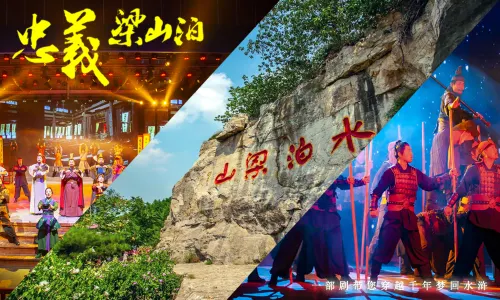
The scenic area is a small hill, which is not tiring to climb. It will take you to the top of the hill in no time. There is the Zhongyi Hall on the top of the hill to visit, and there are many views along the way!
 4.3/5
4.3/5 冰咖啡彩虹糖
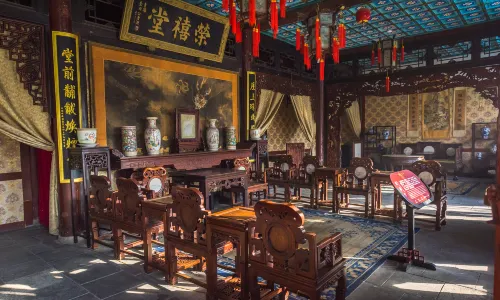
As the shooting location of the 87th edition of the TV series "Dream of Red Mansions", the immersive night tour project "Dream into the Red Mansion" launched by Zhengding Rongguofu in August 2024 is building a multi-dimensional sensory experience of "Enjoying, traveling, learning and playing" with the innovative model of "Red Mansion Culture + Light and Photography + Performing Arts Interaction". Become the new "top stream" of Beijing, Tianjin and Shanghai cultural tourism consumption. According to Ren Yanxu, the operation manager of the night tour project of "A Dream into the Red Mansion", the project has restored the classic scene of "Dream of the Red Mansion" through multiple forms such as light and shadow installations, scene interactions, and non-legacy lanterns, and cleverly integrates theatrical performance and cultural tourism scenic spots. Build a special scene full of "red dream elegant life" for tourists.
 4.5/5
4.5/5 M52***63
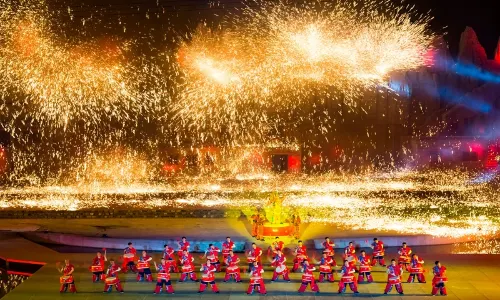
Situ Town: A thousand-year-old Shanxi folk feast booked the itinerary of Situ Town on Trip.com . I originally just had the mentality of walking around and watching flowers. I didn’t expect to have an immersive experience that exceeded expectations. This small town hidden in Jincheng, Shanxi. Like a three-dimensional folk encyclopedia, people can't help but read it carefully. Step into the town, blue bricks and gray tiles, carved beams and painted buildings, the simple building instantly pulls the time back to thousands of years ago. On both sides of the street, blacksmith shops, dyeing workshops, wine shops and other traditional workshops are full of craftsmen, and the figure of craftsmen is intertwined with ancient craftsmanship, exuding a strong fireworks. Here, you can not only watch the production process, but also experience it yourself. I tried to print it, when the ancient text and patterns are clearly presented on the paper, the wonderful feeling of dialogue with history comes into play. The soul of the town is hidden in a wonderful performance. The must-see "See Old Shanxi" broke the boundaries of the traditional stage. The audience travels through different scenes with the plot, and experience the magnificent history of Shanxi in a 360 degree immersive manner. The hardships of the west exit, the legend of Jin merchants, the actors have a very infectious performance, with shocking sound and photoelectric special effects, people seem to be in it, for the tenacity and wisdom of Shanxi ancestors tears. Another "millennium iron soul" is also a case of the absolute, national-level non-legacy "Iron Flower" blooming in the night sky, 1600 ℃ iron water hit into a star shower, such as the golden dragon dance, meteor fall, fire tree silver flower magnificent picture, bring direct impact on the visual impact of the soul. Food is also a highlight of Situ Town. From the familiar Shanxi knife noodles, Pingyao beef, to the niche Yangcheng roast liver, Gaoping ten bowls, the street food stalls and restaurants, each mouthful is full of Shanxi flavor. I sat in the antique restaurant, tasted the smooth noodles of the glutinous, pouring a strong brine, and then a mellow old vinegar, the taste buds were instantly awakened, making people call. The fly in the ointment is that there are many tourists in the holiday town, and some popular performances and food stalls need to wait in line, which to a certain extent affects the experience; some small attractions are slightly less interesting, and there is more ornamental but insufficient interaction. But these small flaws can't hide the charm of Situ Town. If you are eager to escape the hustle and bustle of the city and feel the charm of traditional culture, Situ Town is definitely worth a visit. Whether it is history lovers, food lovers, or parents who want to bring their children to experience folk customs, they can find their own fun here, it is an unforgettable travel experience!
 4.5/5
4.5/5 被驯服的熊孩纸
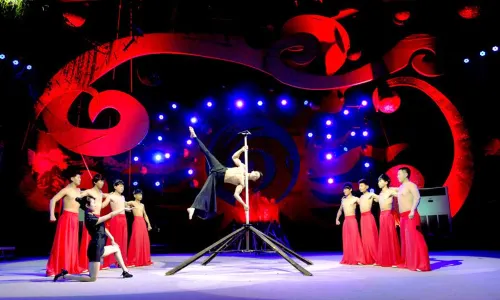
吴桥杂技大世界作为中国唯一的杂技主题4A级景区,融合千年非遗技艺与沉浸式江湖文化体验,是探秘“天下杂技第一乡”的核心目的地。以下是其特色亮点及游览攻略,综合史料与实地体验整理: 🎪 一、核心特色:江湖文化的活态博物馆“八大怪”绝活现场演绎鬼手王宝合:国家级非遗传承人,表演“三仙归洞”(三球两碗的极速手法),近在咫尺仍难辨虚实,被誉为“鬼手”。鼻钉李印怀:将8厘米骨针从鼻孔插入,从眼中穿出,展现惊人气功技艺。肚皮切菜高福洲:赤膊上阵,在腹部切青菜而毫发无损,配合传统“锣歌”说唱,再现撂地卖艺的江湖气。ℹ️ 每日循环演出,建议提前30分钟占位(尤其鬼手居),部分表演禁拍照。江湖文化城——穿越清末市井复原北京天桥、天津三不管等四大江湖码头,200+场次全天候演出:传统硬气功:吞铁球、胸口碎大石;驯兽奇观:山羊走钢丝、猴子骑车;古彩戏法:拉洋片、独台戏。演员着清代服饰,用行话“春典”互动(如“粒子”指魔术、“风子”指马匹),沉浸感极强。 🎭 二、主题展馆:杂技史诗的科技化呈现魔术迷幻宫利用全息投影与机械装置,演绎“大变活人”“人体切割”等大型魔术,设互动区体验纸牌幻术。杂技奇观宫通过光影场景还原杂技史:战国“蚩尤戏”、宋代勾栏瓦舍、明清运河卖艺,重点展示北朝墓穴壁画《蝎子爬》真迹复制品。红牡丹剧场以“现代杂技之父”孙福有父女故事为线索,融合绸吊、飞轮、摩托飞球等高空特技,声光电特效打造视听盛宴(VIP前排慎选,普通A区视野更佳)。 🐎 三、互动体验:从观看到参与的江湖之旅马戏游乐园骑内蒙古骏马体验“倒立摘花”,专业骑师护卫下感受马背惊险。滑稽动物园老虎跳火圈、狗熊耍大刀等诙谐表演,结束后可合影小动物(备面包屑喂鸽子)。非遗工坊杂技博物馆内设“魔术研学堂”,免费学习基础戏法(如空碗变球)。 🌉 四、文化根基:运河滋养的千年技艺历史溯源:源于秦汉“角抵戏”,南北朝壁画证实技艺成熟,明清随漕运艺人沿大运河传播,形成“没有吴桥不成班”的江湖地位。国际影响:中国吴桥国际杂技艺术节与蒙特卡洛马戏节并列世界三大杂技赛场,吴桥艺人曾赴60余国传艺。道具哲学:所有道具源于生活(如八仙桌、石礅),体现“平凡中见奇绝”的民间智慧。
 4.7/5
4.7/5 ✨【进进的潮流游玩旅行】✨
暑期特设的武林争霸擂台令人惊喜。游客可着汉服上台比试,击败NPC角色即可赢得"银两"兑换糖画。其间的《鲁智深倒拔垂杨柳》互动秀,两位壮汉表演时青筋暴起,衬得木质看台都在轻微震颤4。餐饮区物价亲民,武大郎炊饼王婆特饮的宋风反差萌成为打卡热点5。美中不足的是标示系统稍显混乱,城寨沙场与泼水节的方位牌多次误导游客2。若选择傍晚入园,既能避开35℃的烈日,又可观赏《水上飞人》的水幕电影与《神州传奇》的激光大秀,这份错峰攻略能让80元门票产生160元的体验值

