





 4.7/5
4.7/5 _TI***j0
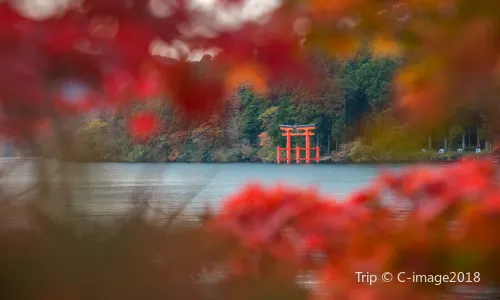
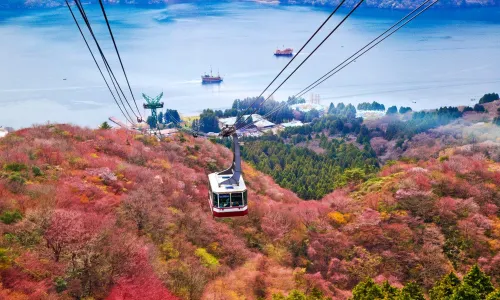
although the weather is not good enough, the lake District is nice , you can enjoy the pirate cruise and stay calm nearby.
 4.7/5
4.7/5 WendyNgai95
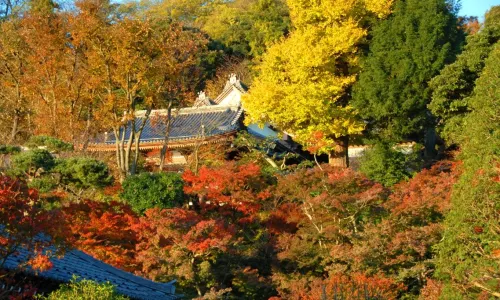
The most famous thing at Hase-ji Temple is the "Eleven-Faced Kannon Statue". After entering the Kannon Hall, you can see the eleven-faced Kannon Bodhisattva statue enshrined on the front inside. It is nine meters high. It is the largest Bodhisattva statue in Japanese history. It is very grand. From the temple, you can see the view of the streets of the temple, strolling in the temple, along the way will inadvertently appear super cute and fate Jizo, people will follow the smile at first sight, three different expressions of Jizo Bodhisattva stand together, this place is also a photo hotspot.
 4.6/5
4.6/5 Cristle
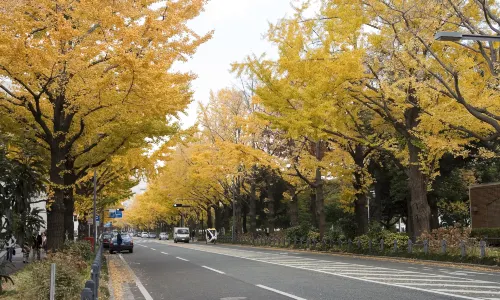
Beautiful, beautiful, beautiful garden. There are a lot of flowers, and with the view of the ocean, it’s amazing!
 44.7/5
 奔八老头周游世界
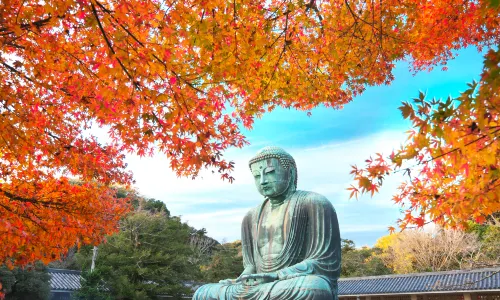
Kamakura is home to dozens of temples, making it a Buddhist capital. The most famous of these is Kotoku-in Temple, home to the renowned Great Buddha of Kamakura. Get off at Hase Station and walk about ten minutes to reach Kotoku-in Temple. Entrance fee: 200 yen. Upon entering, you'll be greeted by the Great Buddha of Kamakura. A National Treasure of Japan, it's a major tourist attraction in Kamakura, attracting a constant stream of visitors year-round. Including its pedestal, the statue stands 13.35 meters tall. Made of bronze, it's centuries old. Circling the statue, you'll find a small door that allows you to enter and observe its inner workings. The Great Buddha of Kamakura was originally housed in the Great Buddha Hall, but it became an open-air statue after the hall collapsed due to typhoons, earthquakes, and tsunamis. Furthermore, when it was first built, it was covered in gold leaf, though only a small amount remains today.
 54.8/5
 WLS008
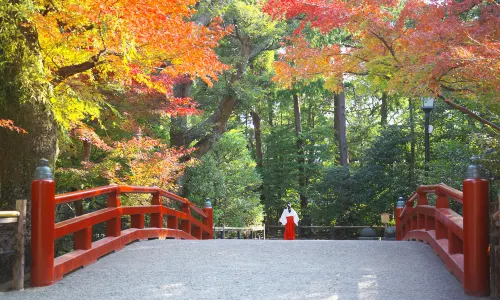
Walking day trip at Kamakura , a very popular temple for a reason. There is a beautiful promenade between the station and shrine. It is easy to access and has good signs. There are nice toilets and a museum. The shrine itself can be busy, so if you want to go inside and do blessings, be prepared to wait a little. Overall very beautiful and worth seeing. It is a Shinto shrine established in 11th century, built in 1828 in the traditional Edo architectural style. Will visit again because here have a lot nearby temple we haven't finish for 1 days trip.
 64.6/5_TI***j0
this is the way, enjoy a fast and comfortable convenient ride , there are quite many tourists so you may consider to go there earlier
 74.5/5
 johnswj90
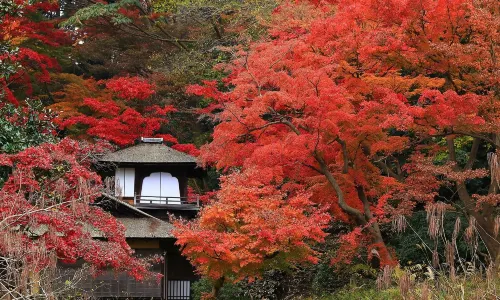
An amazing garden dates back more than a hundred years nearby Yokohama city.
 No. 4 of Best Things to Do in Kanagawa Prefecture
