Kuala Lumpur 2025 Guide: Must-see attractions, local cuisine, and practical tips! | Trip.com
Kuala Lumpur Brief Guide



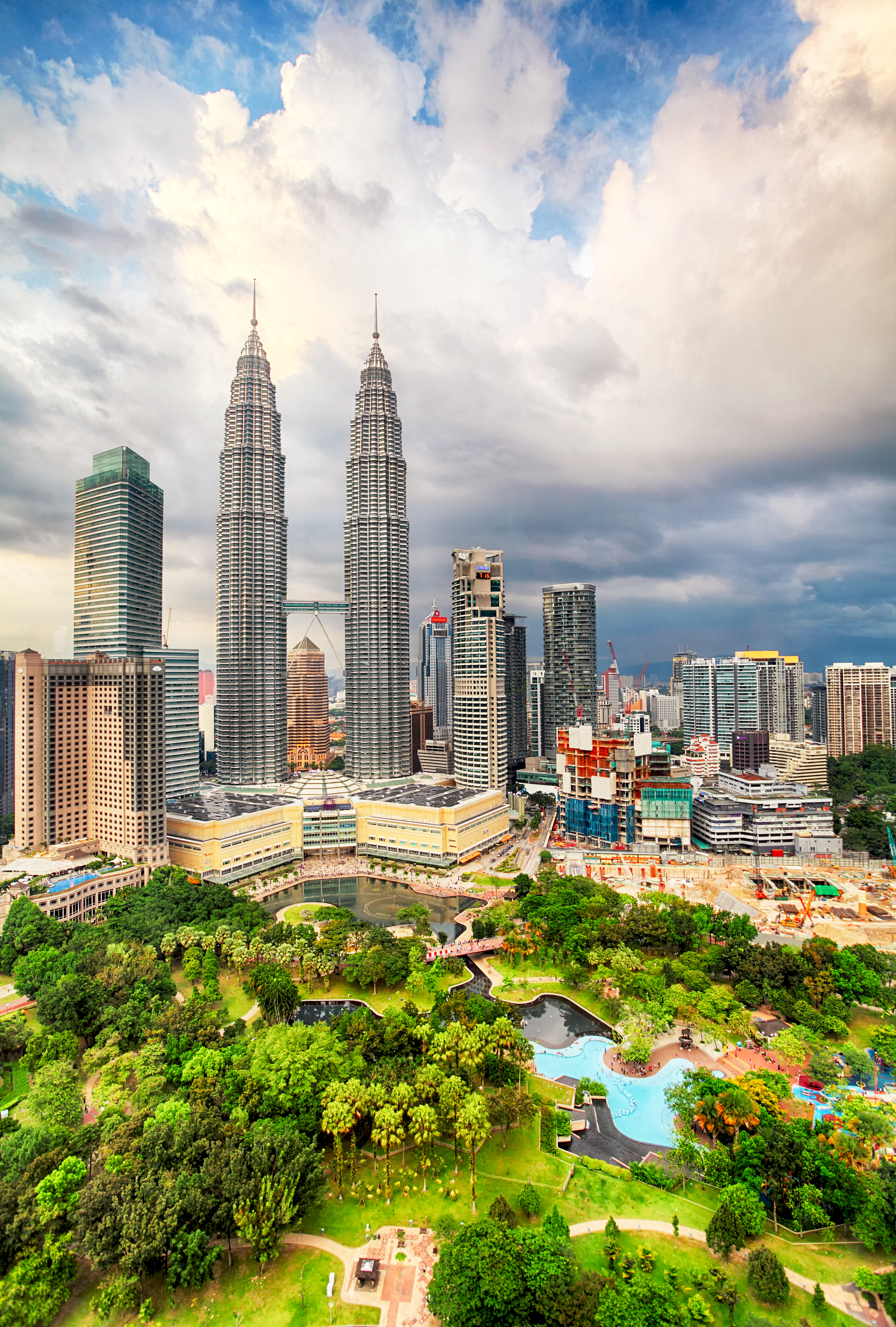
Malaysia’s capital, Kuala Lumpur, blends Malay, Chinese, and Indian cultures. Its tropical pulse awaits. This guide helps you craft the perfect trip and easily navigate KL’s vibrant diversity.
Kuala Lumpur Must-try local experiences
Soar Above the City Skyline
Marvel at Kuala Lumpur's skyline from the Petronas Twin Towers' 86th-floor observation deck, 170 meters up, where the city's 1998 icons gleam against tropical dusk. Climb KL Tower's 421-meter observation deck, a telecom beacon since 1996, for panoramic views of skyscrapers and distant hills. The urban views, dotted with minarets and greenery, pulse with modern energy, captivating visitors with its blend of steel and serenity.
Discover Cultural Landmarks
Stroll Dataran Merdeka's 1897 Sultan Abdul Samad Building, its Moorish arches marking Malaysia's 1957 independence. Explore Kwai Chai Hong's Chinatown murals, depicting historical street scenes with vendors and rickshaws. Visit Putra Mosque's rose-pink domes, mirrored in Putrajaya's lake, or Bukit Bintang's vibrant street art. These landmarks blend history, modern flair, and cultural stories, inviting travelers to uncover Kuala Lumpur's soul.
Explore Diverse Religious Sites
Enter the National Mosque of Malaysia, opened in 1965, where a 73-meter minaret and star-patterned dome frame serene architecture. Climb Batu Caves' 272 rainbow steps to Hindu shrines in limestone caverns, alive during January's Thaipusam festival, with a 43-meter Murugan statue. Visit Thean Hou Temple, its dragon-motif lanterns glowing at dusk. These sacred spaces showcase Kuala Lumpur's Malay, Indian, and Chinese heritage.
Savor Multicultural Cuisine
Feast at Petaling Street's 19th-century Chinatown, where Nam Heong serves Hainanese chicken rice and char kway teow, stir-fried rice noodles with shrimp and soy sauce, amid sizzling woks. Slurp laksa, a spicy coconut noodle soup, at Madras Lane's hawker stalls, or sip teh tarik, frothy pulled tea poured between cups, in Little India. Try Kampung Baru's nasi lemak, coconut rice with anchovy sambal, or Roti Tissue. Kuala Lumpur's dishes blend Malay, Chinese, and Indian heritage.
Shop Markets and Malls
Central Market's Kasturi Walk artisans dye batik fabrics and craft tin teapots, highlighting Malay artistry. Shop Pavilion KL's luxury boutiques or Mid Valley Megamall's food courts in Bukit Bintang. Haggle for durian candies at Little India's spice-scented night market or Suria KLCC’s souvenirs. Kuala Lumpur's vibrant bazaars and gleaming malls offer treasures, from handmade crafts to global brands, for every traveler.
Dive into Nightlife and Night Markets
Sway to buskers' guitar strums in Bukit Bintang’s rooftop bars, where cocktails pair with Twin Towers views. Stroll Jalan Alor's night market, savoring satay skewers and cendol, a shaved ice dessert with coconut milk, amid vendor chatter till midnight. Pasar Malam Taman Connaught's family-friendly stalls offer kuih, bite-sized rice cakes. Kuala Lumpur's nightlife pulses with chic lounges and lively street eats.
Wander Urban Nature Escapes
Roam KL Bird Park's 20-acre free-flight aviary, where 3,000 hornbills and peacocks soar amid waterfalls. Stroll Perdana Botanical Garden's hibiscus garden, with 200 orchid species, or spot deer on shady trails. Nestled near Lake Gardens, these vibrant sanctuaries, minutes from downtown, immerse visitors in Kuala Lumpur's tropical wildlife and lush greenery, ideal for serene morning walks.
Kuala Lumpur Must-see Attractions
Kuala Lumpur stitches modern marvels to natural retreats—these five landmarks pack a punch with thrills and tales worth chasing.
Petronas Twin Towers
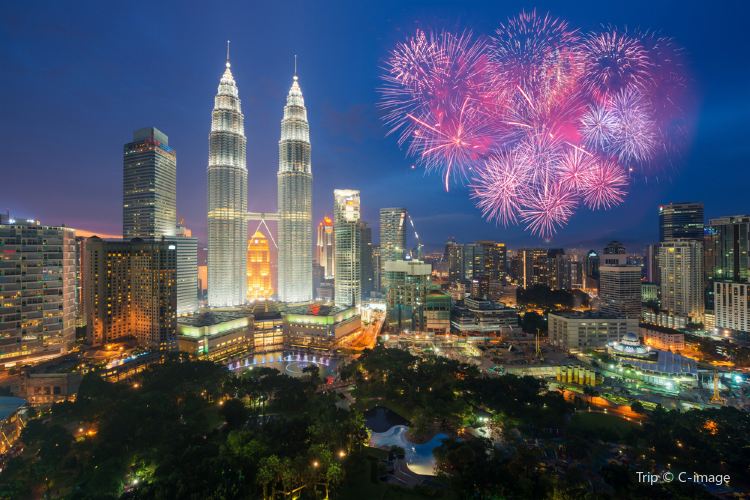

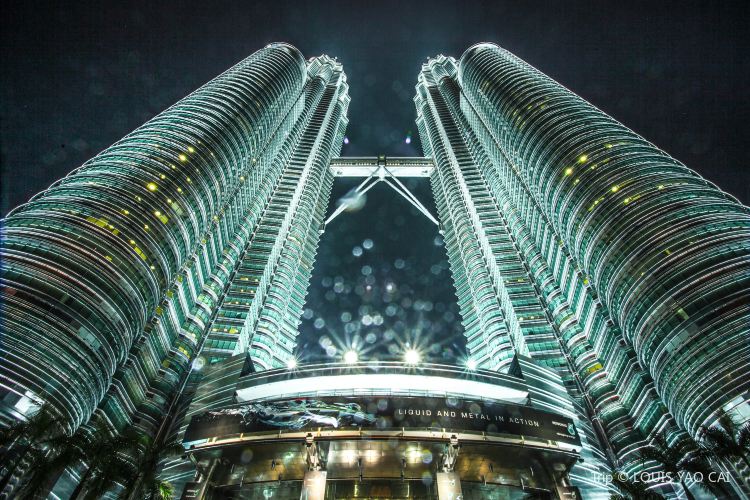
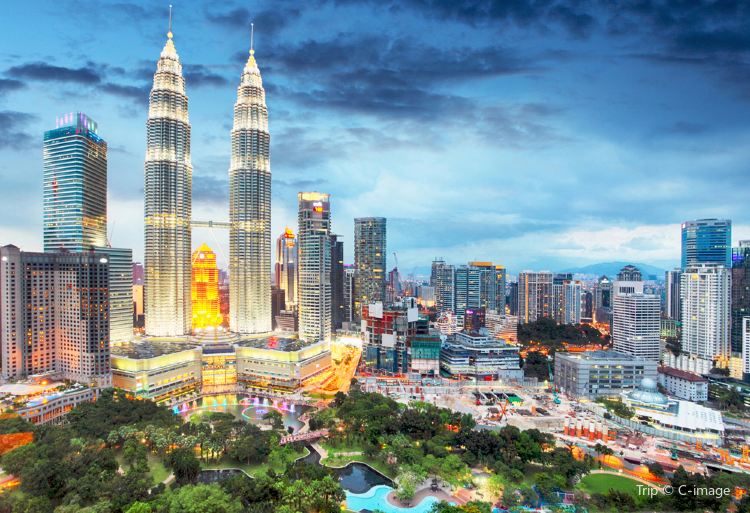
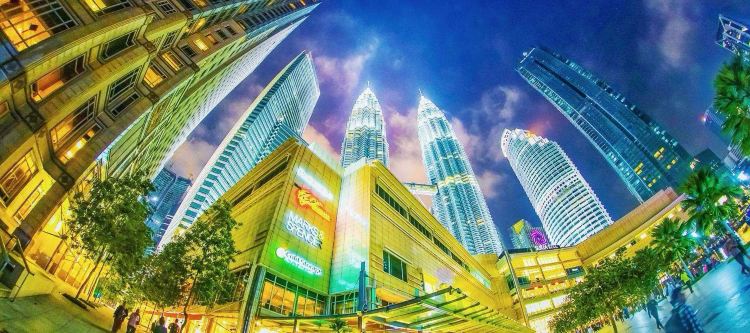
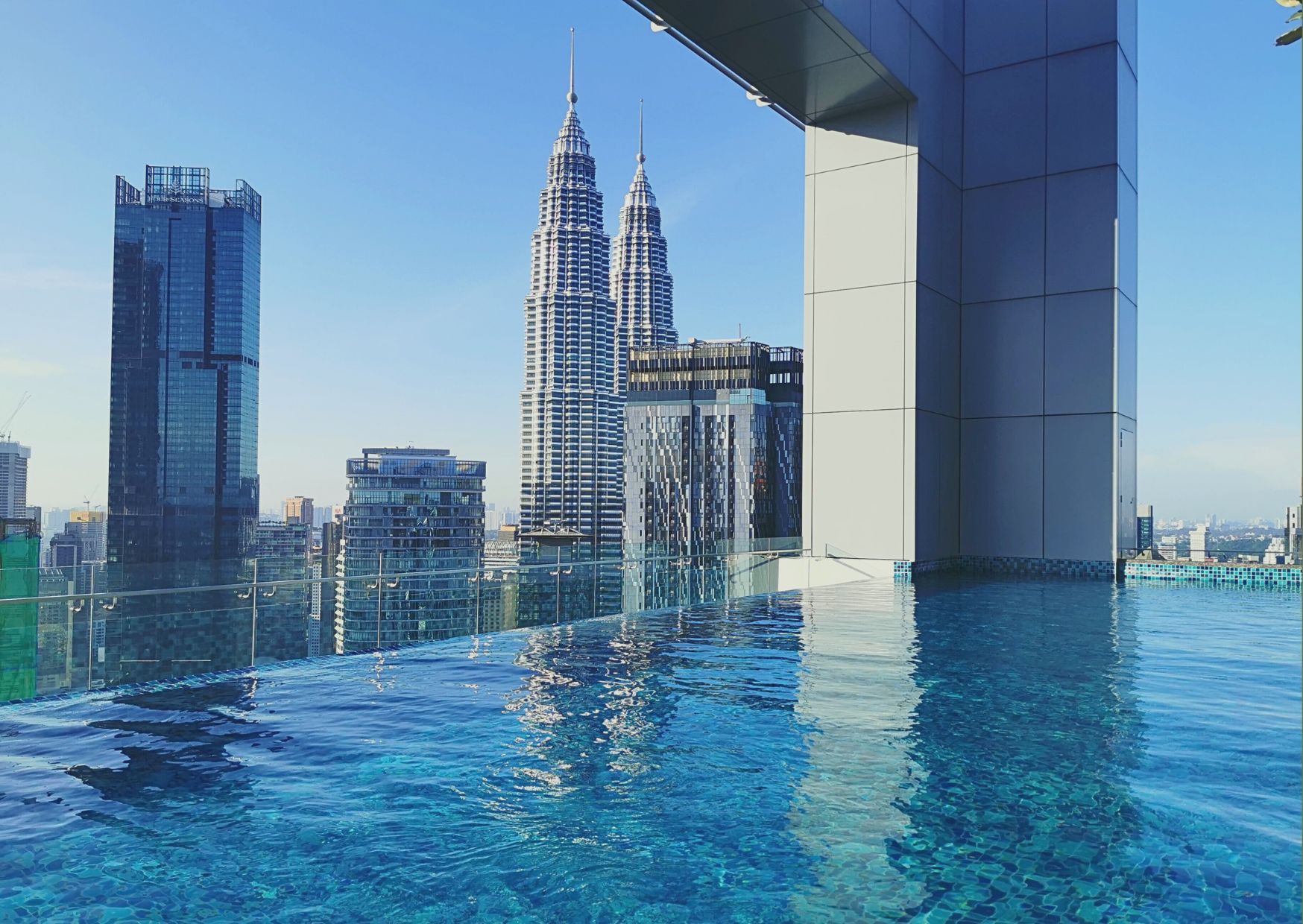
Petronas Twin Towers stab KL’s skyline at 452 meters—twin steel icons that owned the world’s tallest title from 1998 to 2004; hit the Skybridge (floors 41-42) at dusk for a golden city sweep, then wander Suria KLCC’s buzzing mall below or KLCC Park’s trails. LRT KLCC Station drops you steps away—book tickets online a day ahead for the Skybridge; bring a light jacket, the AC bites up top. It’s a sleek must for skyline junkies and first-timers.

 _TI***2zThe view was very stunning when went to the top and enjoy KL view.
Aquaria KLCC
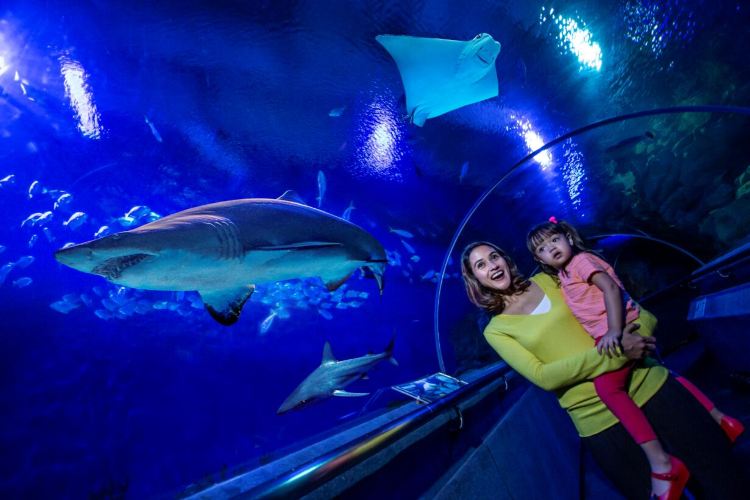
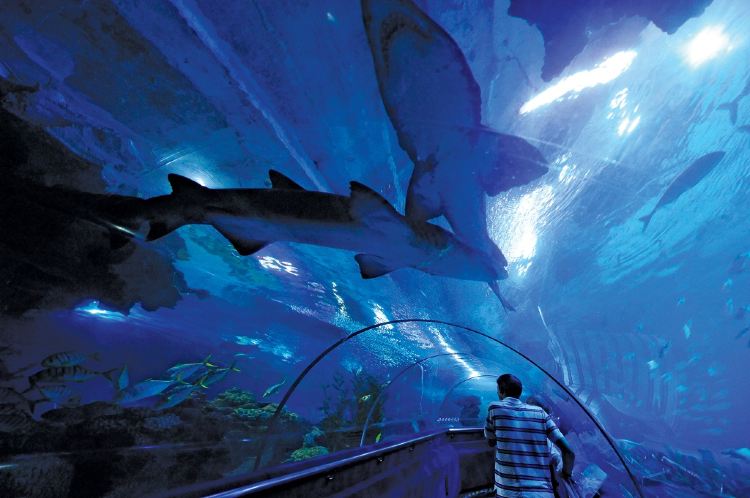
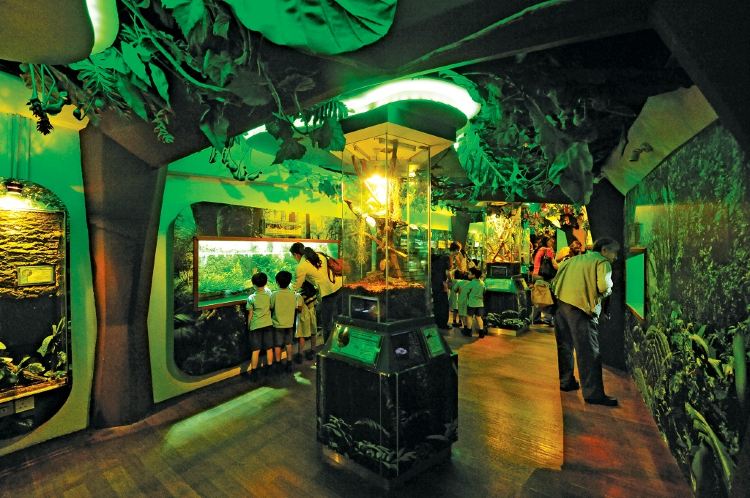
Aquaria KLCC plunges under the Convention Centre—a 90-meter tunnel threads through 5,000 sea creatures, sharks cruising overhead while otters splash nearby; feeding shows hook kids, signage spills marine trivia. Walk from KLCC Station (LRT) or hop off at Suria KLCC—mornings beat the school groups; pack a camera for the tunnel’s blue glow. Families and casual explorers dig this aquatic pit stop—compact but fun.
Kuala Lumpur Tower
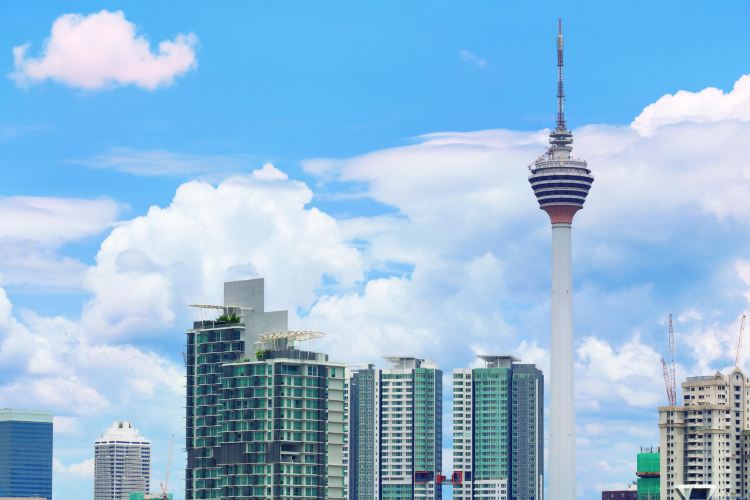
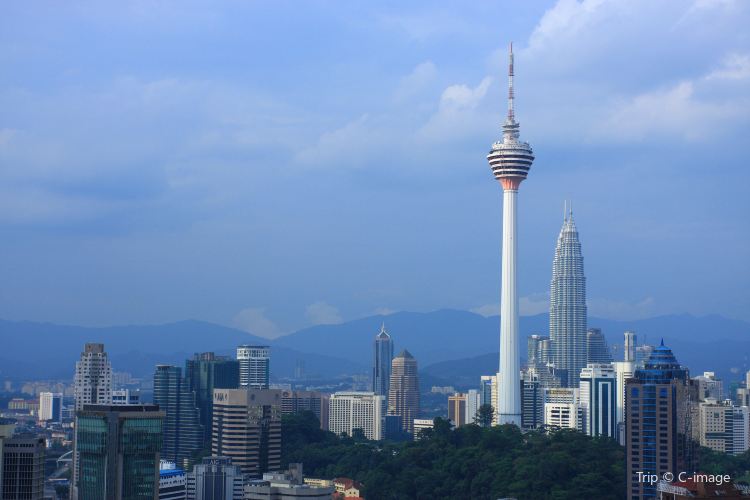
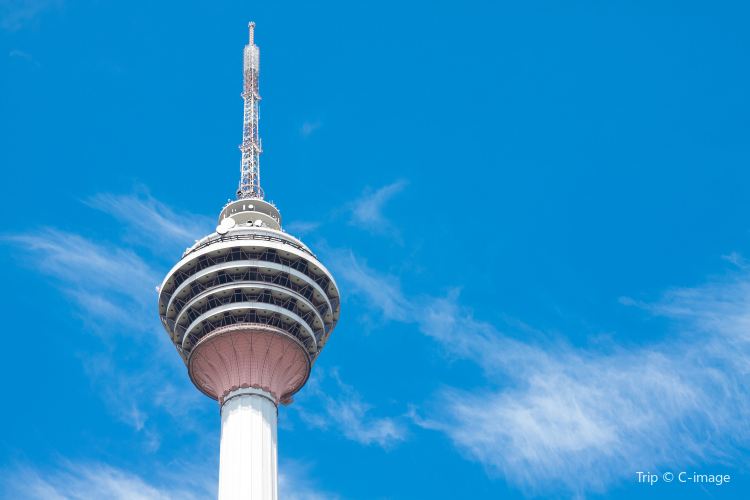
Kuala Lumpur Tower pierces Bukit Nanas at 421 meters—KL’s sky sentinel laced with Islamic tiles and script; climb to the Sky Deck or glass-bottomed Sky Box for a city sprawl framed by forest whispers below. Monorail to Bukit Nanas Station, then a 5-minute trek—hit late afternoon when light softens the haze; binoculars pick out the Twin Towers. It’s a high perch for view hounds and nature buffs craving green amid the grind.
Sunway Lagoon Theme Park
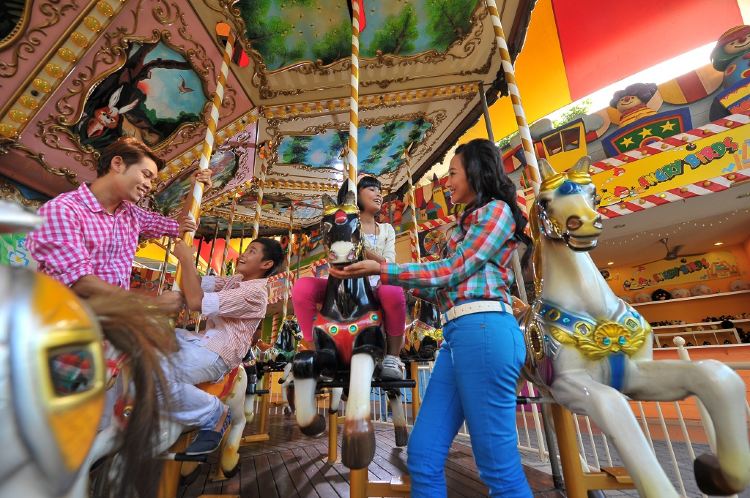
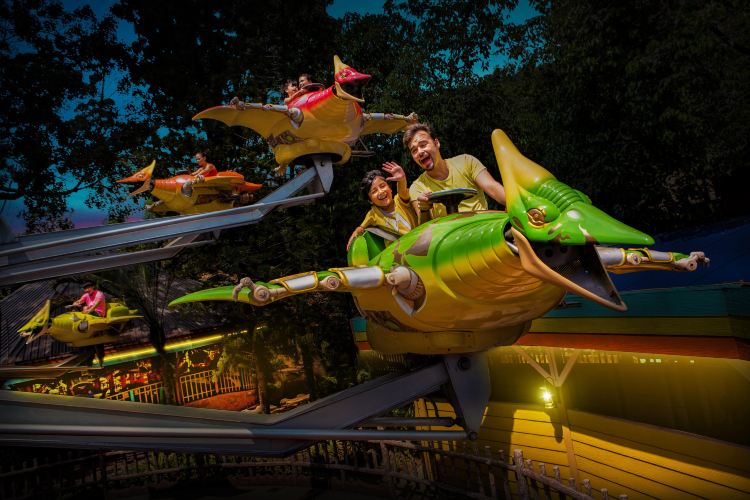

Sunway Lagoon Theme Park sprawls 15km from KL’s core—six zones fling water slides, animal encounters, and X Park’s flying fox; Vuvuzela’s twists jolt, Nickelodeon rides charm kids. BRT Sunway Line to Sunway Lagoon Station lands you at the gate—weekdays cut the weekend crush; bring swim gear and stamina for the all-day haul. Thrill-seekers and families pile in—it’s a splashy, scream-filled escape.
Genting SkyWorlds Theme Park

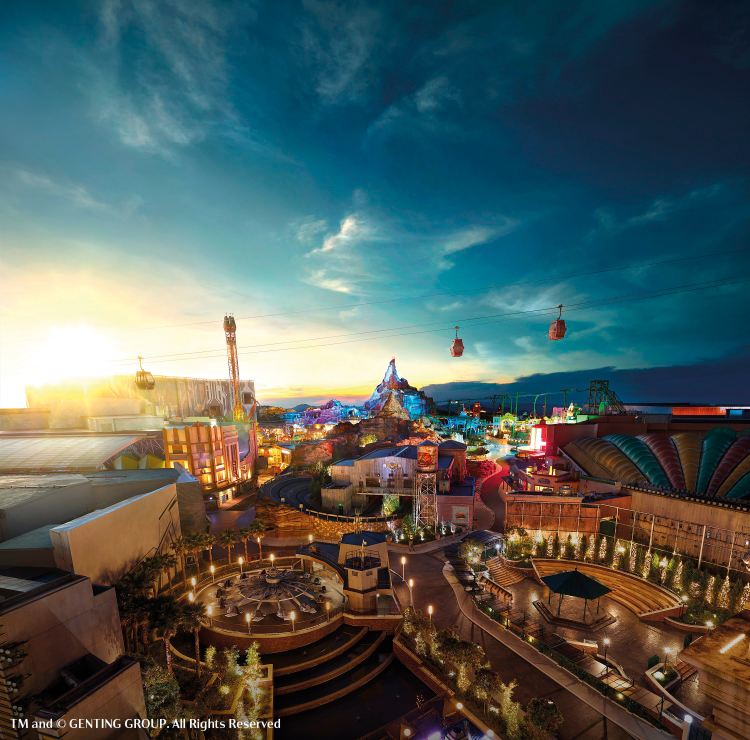
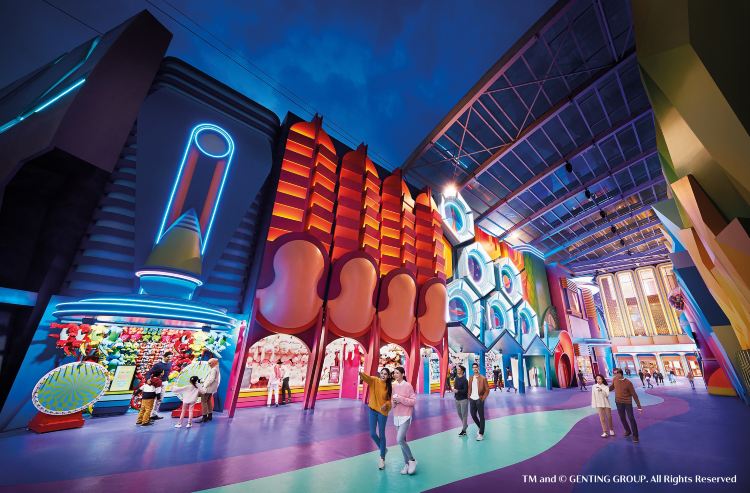
Genting SkyWorlds crowns 6,000 feet up, an hour from KL—nine film-inspired worlds spin coasters like Eagle Mountain’s bike rush and 3D screen rides in Central Park; fog cools the peaks. Genting Express Bus from KL Sentral (45 mins) plus a cable car hop—use Virtual Queue via their app to skip lines; pack a hoodie for the chill. Cinematic thrill-chasers and weekend warriors hit this misty highland gem.

Kuala Lumpur Food Guide
Kuala Lumpur’s food scene sizzles with a clash of cultures—here’s seven dishes you can’t miss, each a bite of the city’s steamy, soulful heart.
Char Kway Teow
Char Kway Teow fries up KL’s street soul—flat rice noodles dance in a wok with prawns, cockles, bean sprouts, and dark soy, kissed by smoky “wok hei.” Hawkers in Chinatown sling it fast; the sizzle’s your cue for the real deal. Order it spicy and dig in hot—it’s a greasy, glorious taste of the city’s hustle.
Bak Kut Teh
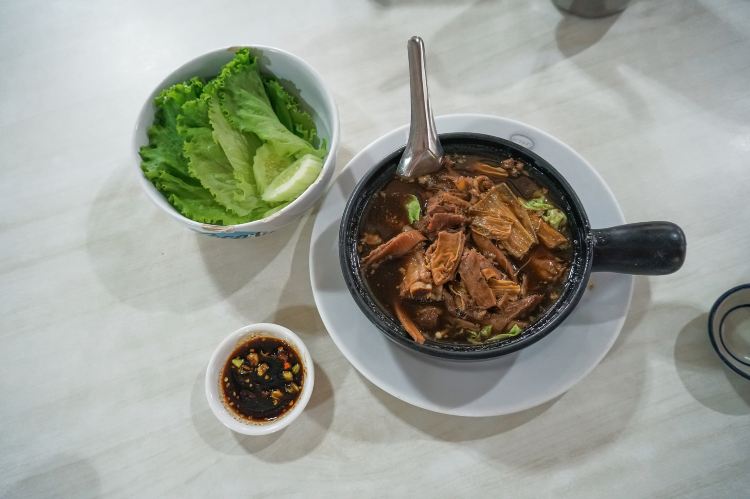
Bak Kut Teh simmers pork ribs in a broth of 15 herbs—star anise, cinnamon, and garlic weave a medicinal magic that’s pure comfort. KL’s Chinese haunts like Ah Hei in Cheras serve it with rice or youtiao; sip Chinese tea alongside. It’s a warm, slow cure for any day—early or late, it’s the city’s quiet balm.
Nasi Lemak
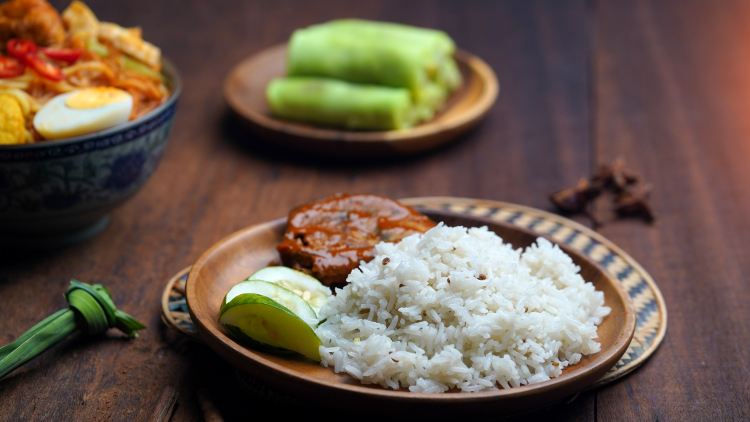

Nasi Lemak is KL’s national treasure—coconut rice steamed to fragrant perfection, paired with fiery sambal, crispy anchovies, peanuts, and your pick of chicken or egg. Wrapped in pandan leaves at hawker stalls or plated posh at eateries, it’s breakfast fuel turned all-day obsession. Hunt it down at Village Park in Petaling Jaya for a legendary taste of Malaysia’s culinary pride.
Laksa


Laksa steams up KL’s bowls—noodles swim in either tangy assam broth with fish and tamarind or creamy curry laced with coconut milk and chili paste. Seafood piles in; it’s a slurpy, spicy hug found at stalls like Madras Lane. Try both styles—each spoonful’s a dive into Malaysia’s Southeast Asian spice and sea.
Hainanese Chicken Rice
Hainanese Chicken Rice keeps it simple—poached or steamed chicken, silky and tender, sits atop rice cooked in its broth, fragrant with ginger and garlic. Chili sauce and soy dip it sharp; find it at Nam Heong in Chinatown for a classic hit. It’s humble, hearty, and a Chinese-rooted taste of KL’s everyday love.
Kuala Lumpur Transportation
How to Get There
Kuala Lumpur is accessible by air, rail, and road, with efficient connections to the city center.
Kuala Lumpur International Airport (KLIA): Located 50 km south of the city center, KLIA is the primary gateway.
The KLIA Ekspres train connects to KL Sentral in under 40 minutes (every 15–20 minutes, 5 AM–midnight, MYR 55 one-way). The KLIA Transit takes 35 minutes with additional stops (same fare). Tickets are available at counters or via the KLIA Ekspres app.
Taxis: Prepaid taxis are available at KLIA arrivals (typically located on level 3 of the KLIA arrival hall).
Ride-hailing apps like Grab offer competitive rates. Book via the app for convenience.
KL Sentral: The main rail hub connects to regional destinations. ETS trains from Thailand, Penang, and Singapore arrive here. Book via the KTMB website or mobile app.
Bus Terminals:
Terminal Bersepadu Selatan (TBS): Handles southern routes (e.g., Melaka, Johor Bahru, Singapore). Modern facilities, 10 km south, connected to the city via the LRT (Plaza Rakyat station).
Puduraya (Pekeliling): Serves northern routes. Connected to Titiwangsa LRT station.
Hentian Duta: Catches buses from Penang and other northern destinations, linked to the city by taxi or Grab.
Local Transportation
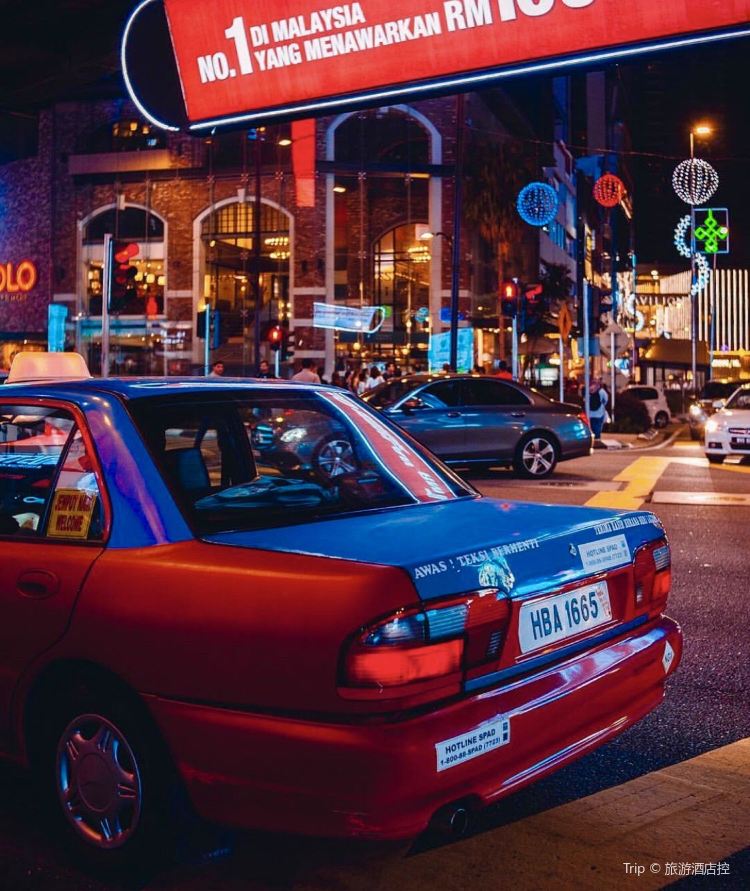
Kuala Lumpur offers a reliable network of trains, buses, and ride-hailing services for seamless city travel.
LRT, MRT and Monorail:
Operated by Rapid KL, the integrated rail system includes:
Kelana Jaya Line (LRT): Connects Petaling Jaya to Gombak via KL Sentral.
Kajang Line (MRT): Links Sungai Buloh to Kajang, serving Bukit Bintang and Pasar Seni.
Monorail: Covers central areas like Bukit Bintang and KL Sentral.
Ampang/Sri Petaling Line (LRT): Connects northern and southern suburbs.
Trains operate from 6 AM to midnight (frequent every 3–10 minutes during peak hours). Fares range from MYR 1–6, based on distance. Stations have clear English signage.
Touch ‘n Go Card: A reloadable smart card (MYR 10 initial purchase, refundable) for seamless access to LRT, MRT, monorail, and Rapid KL buses. Top up at stations, convenience stores, or via the Touch ‘n Go app.
City Buses: Rapid KL buses cover suburban and central routes, with fares ranging from MYR 1 to MYR 3. Key hubs, such as KL Sentral and Pasar Seni, feature English signage and real-time displays. Free Go KL City Buses (pink and purple routes) operate in the city center, connecting Chinatown, Bukit Bintang, and KLCC (6 AM–11 PM). Cash is not accepted on Rapid KL buses.
Taxis & Grab: Metered taxis start at MYR 3 plus approximately MYR 2.17/km thereafter. Grab is widely used, offering transparent pricing. Book via the app for convenience, especially during peak hours or in the rain.
Hop-On Hop-Off Bus: A tourist-friendly double-decker bus with a 24- or 48-hour pass. Covers 27 stops, including Petronas Twin Towers and Merdeka Square. Operates 8:30 AM–8:30 PM, every 20–30 minutes. Audio guides in multiple languages are available.
Kuala Lumpur Where to Stay
The hotels in Kuala Lumpur are strategically located in various prime locations, each offering its own allure and practical advantages.
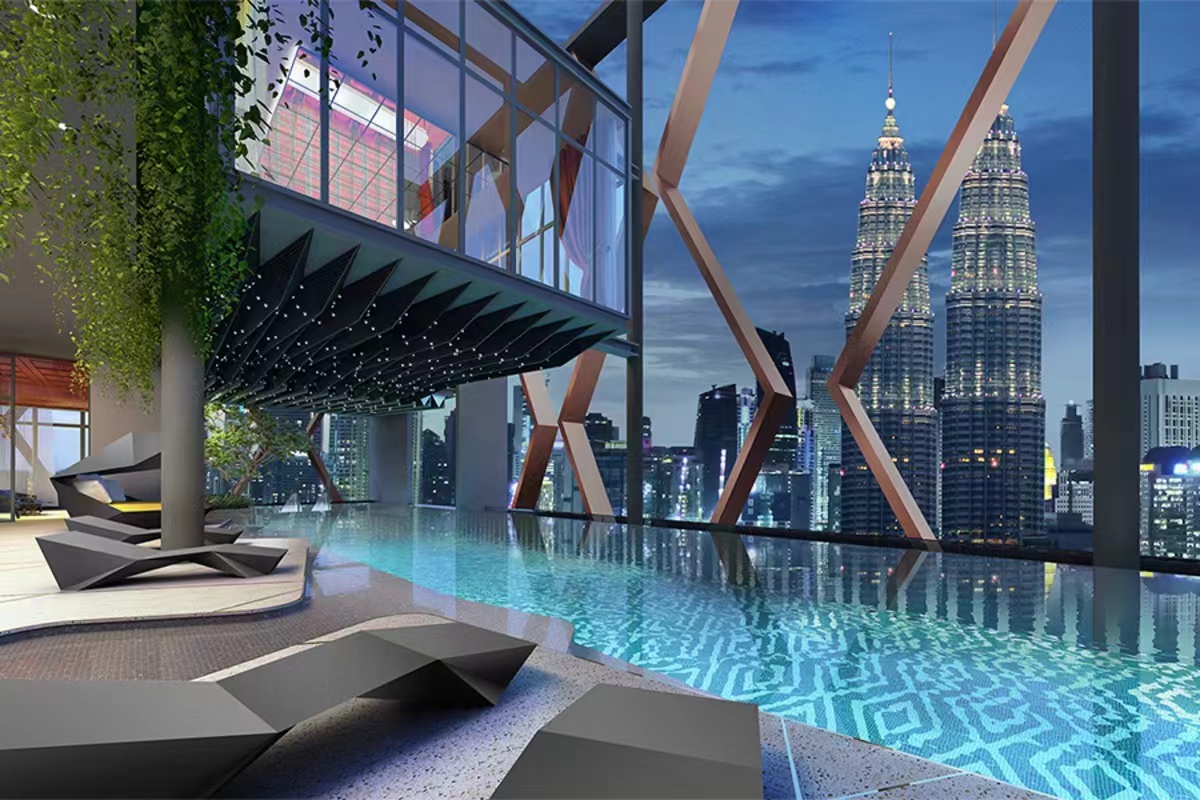
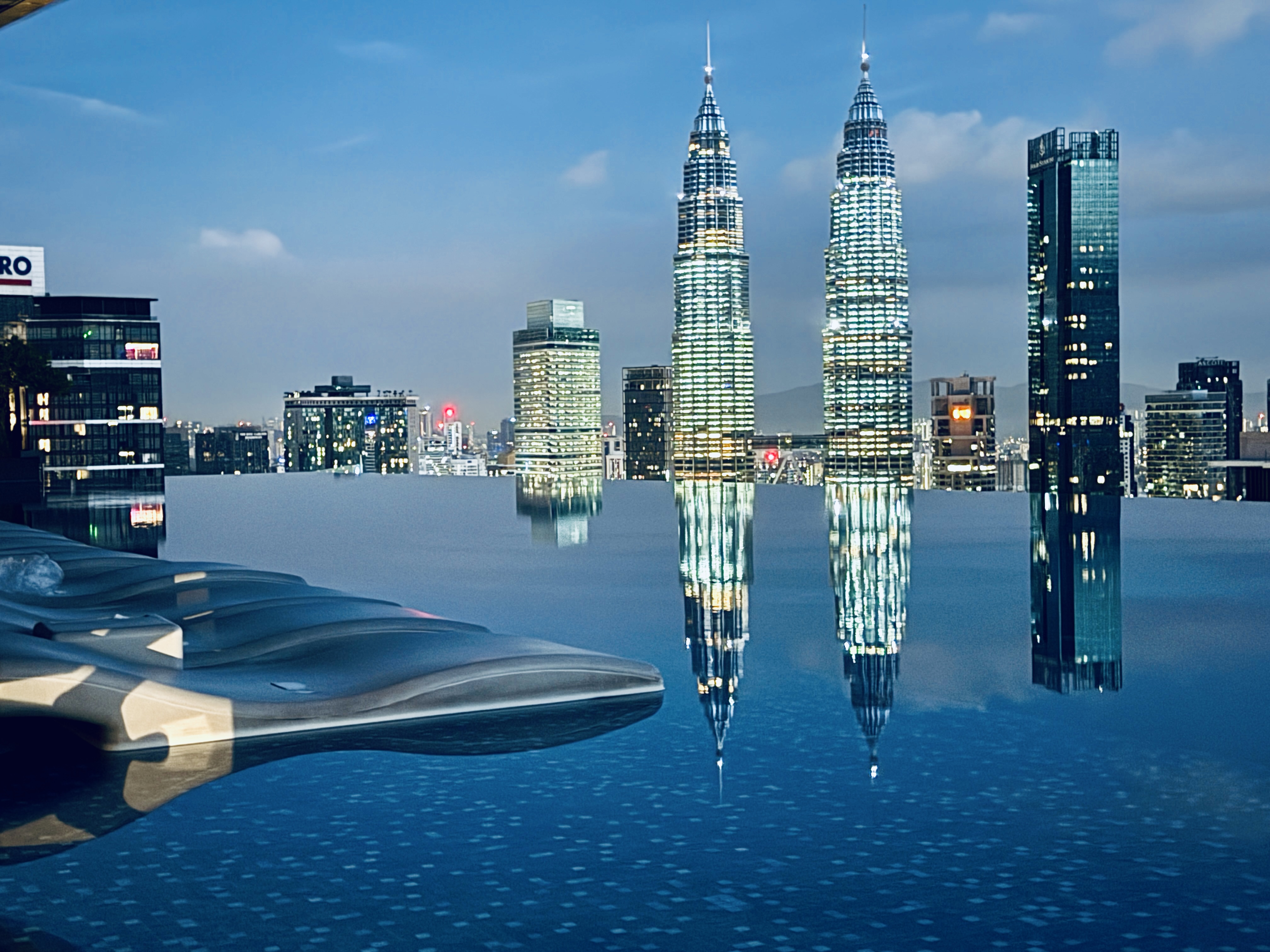
Petronas Twin Towers

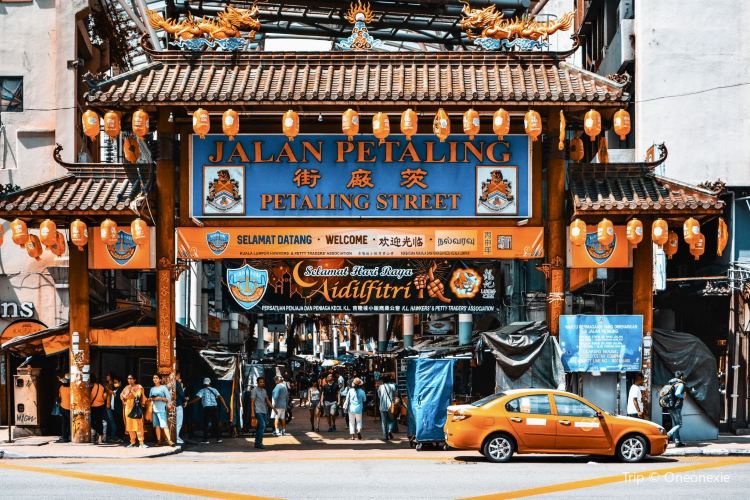
Petaling Street Market

Jalan Alor
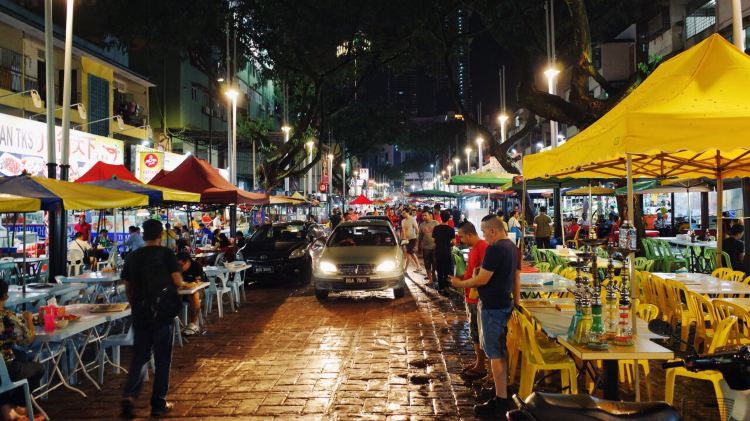
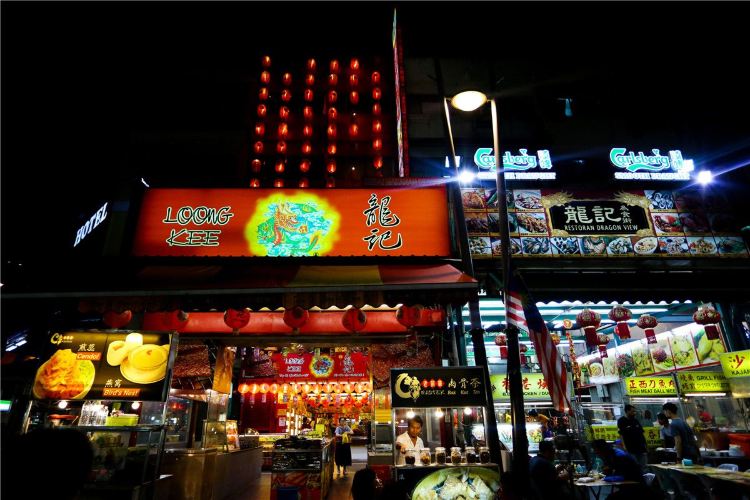
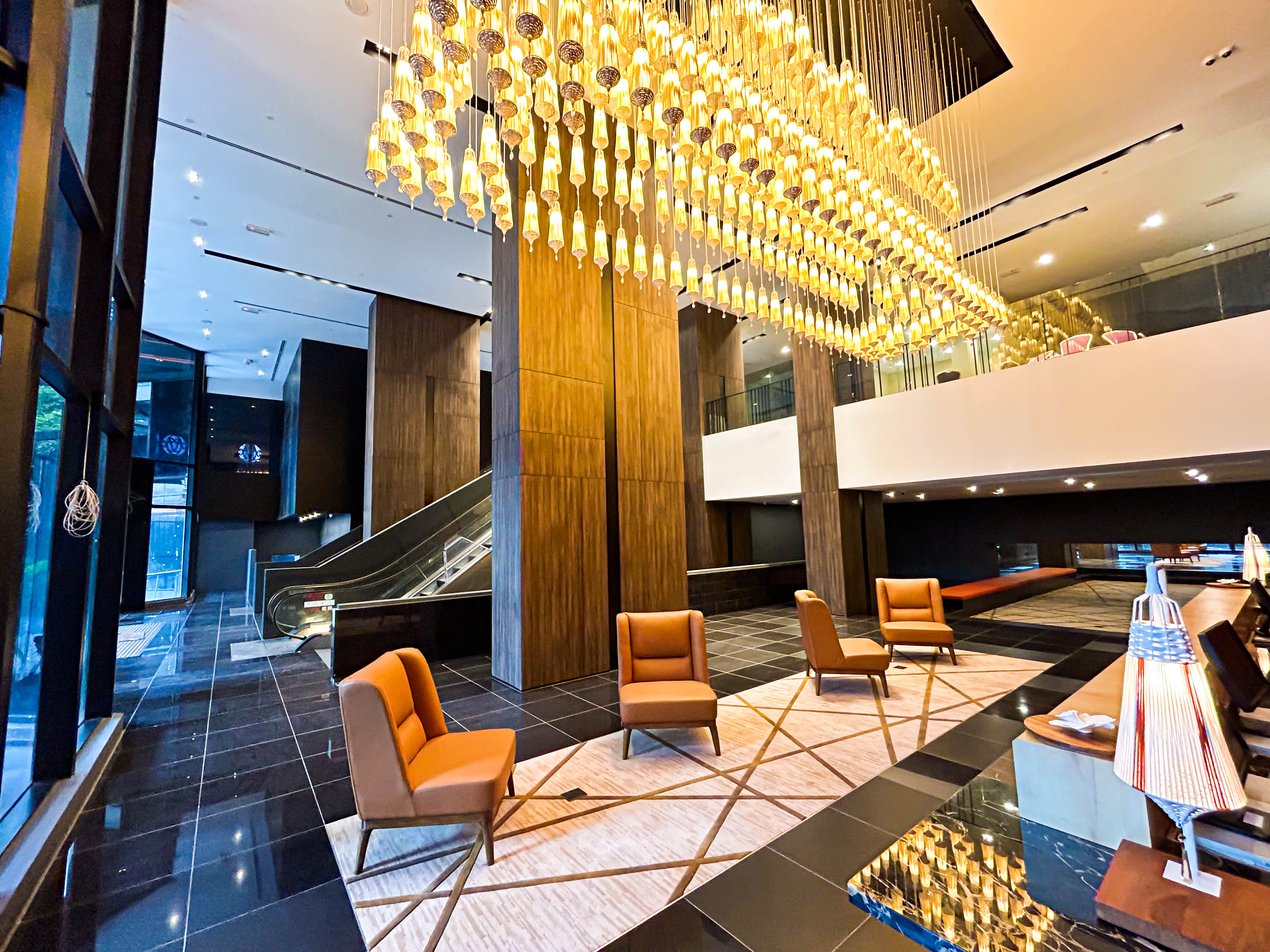
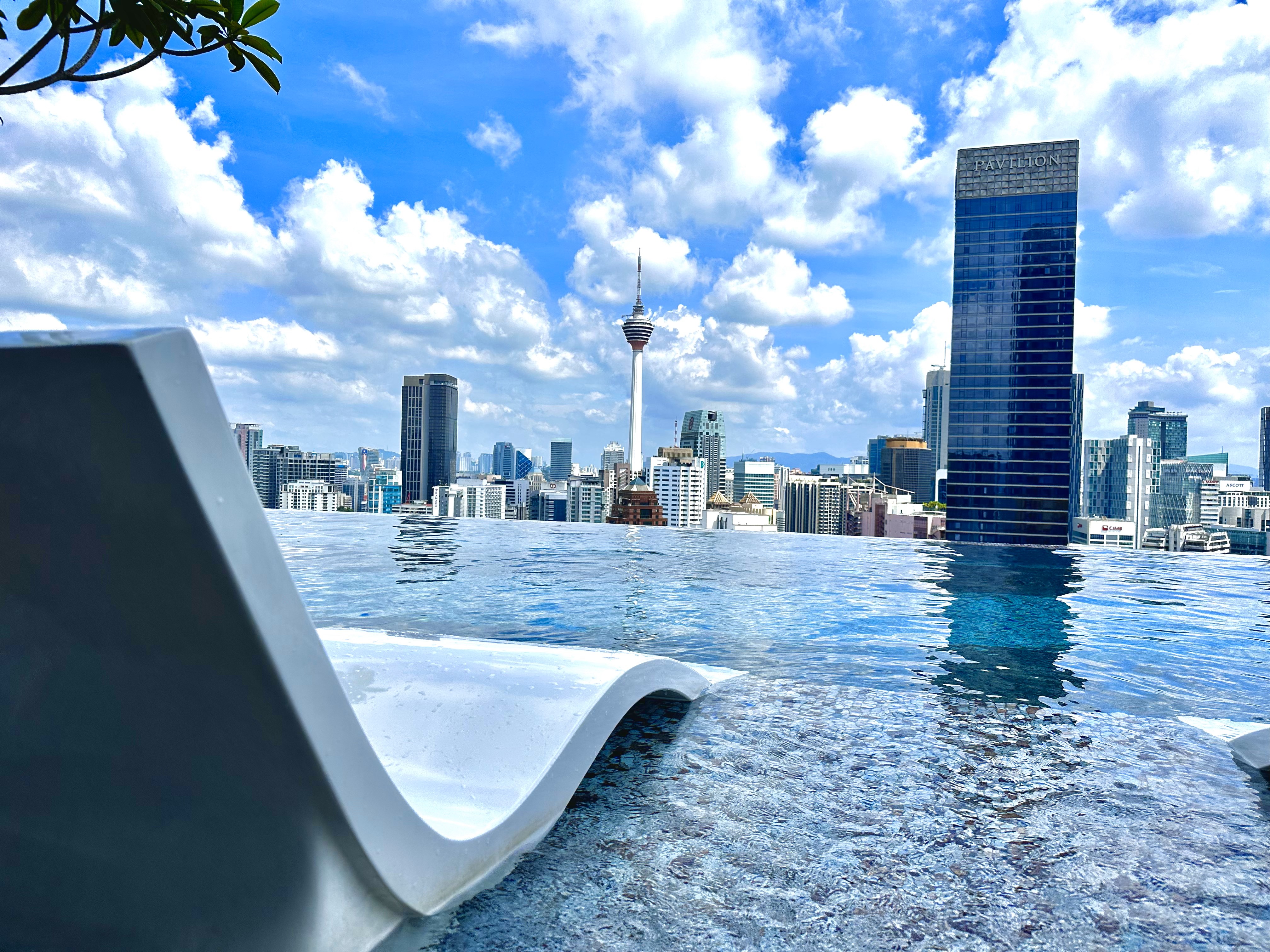
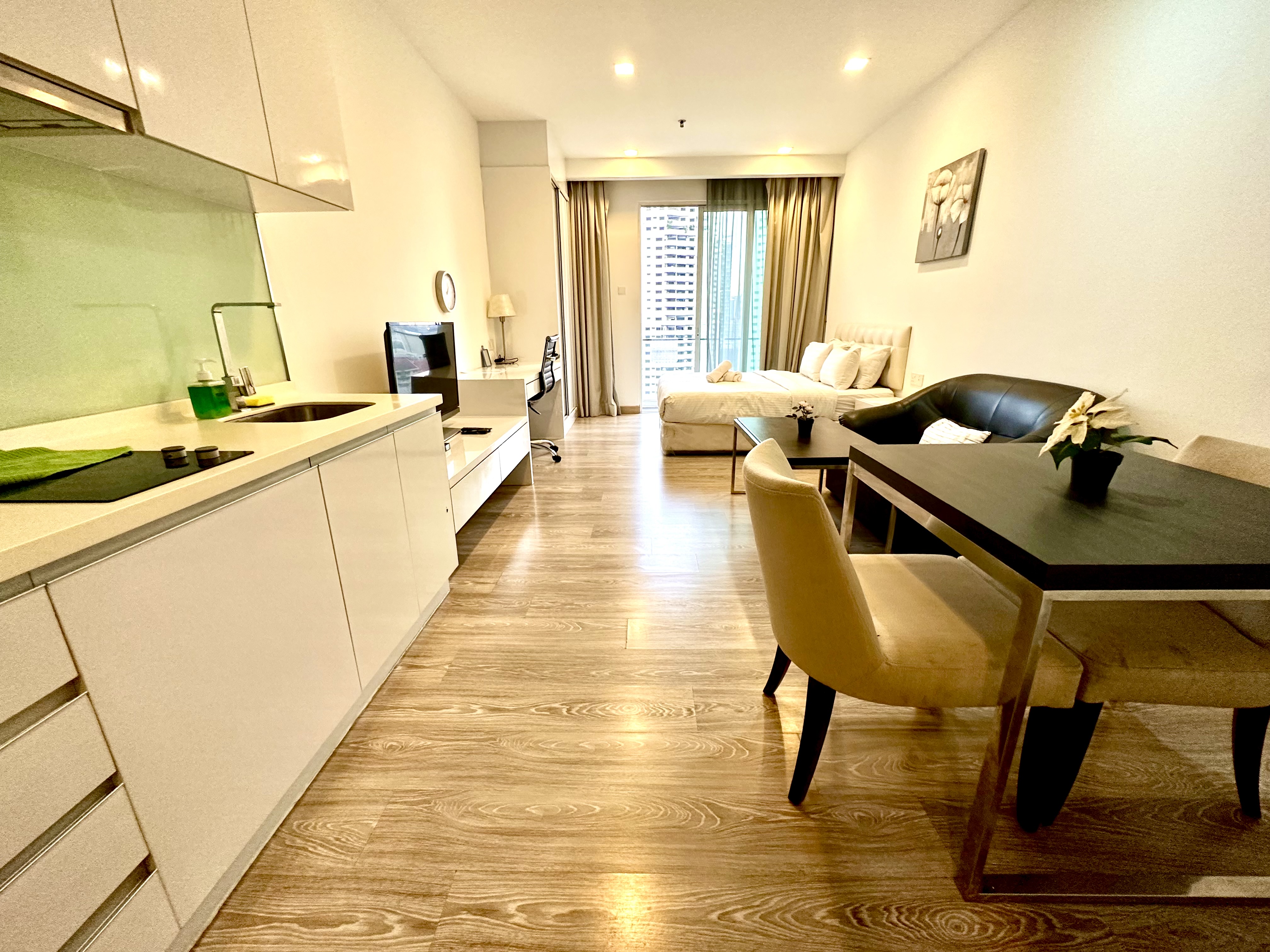
Jalan Alor’s stays sink you into Bukit Bintang’s food-fueled buzz—grilled fish, Ramly burgers, and durian puffs scent the night as stalls thrum past midnight under neon signs. Changkat’s bar strip pulses a block over, Pavilion’s luxe malls gleam nearby; MRT and monorail at Bukit Bintang station knot it all together. From cheap guesthouses to plush spots like The RuMa, it’s a perch for foodies and nightlife seekers tasting KL’s electric edge—steps from the city’s beating core.
Kuala Lumpur Best Time to Visit
Best Time to Visit

Kuala Lumpur’s tropical climate is warm and humid year-round, with distinct seasons that influence the weather, festivals, and crowd levels. Average temperatures range from 25–33°C (77–91°F), with high humidity (70–90%). The city is vibrant year-round, but your visit’s timing depends on weather preferences and cultural events.
December-February (Dry Season): The driest months, with temperatures of 25–30°C (77–86°F) and lower rainfall. Ideal for outdoor activities like exploring KLCC Park, Batu Caves, or Thean Hou Temple.
March-May (Hot and Wet Season): Warm and humid, with temperatures of 28–33°C (82–91°F) and frequent afternoon showers. Mornings are best for sightseeing.
June-August (Hot Season): The hottest months, with temperatures of 30–33°C (86–91°F) and occasional showers. Air-conditioned malls and indoor attractions provide relief.
September-November (Wet Season): Rainiest months, with temperatures of 26–32°C (79–90°F) and heavy rainfall. Showers are often brief.
Kuala Lumpur Travel Tips
1. Submit the MDAC Form on Time
To use auto-gates and avoid border delays, submit the MDAC electronic entry form within 3 days of arriving in Kuala Lumpur. Have your digital return tickets and hotel bookings ready, as customs officials may check them.
2. Cards Are Accepted, but Carry Some Cash
Visa and Mastercard are widely accepted, while American Express is accepted at hotels, select restaurants, and brand boutiques. However, small vendors, markets, or rural areas may require cash in Malaysian ringgit. Exchange at banks or ATMs for better rates. Avoid street money changers to prevent scams.
3. Use the TNG Card for Transport
Buy a Touch ‘n Go (TNG) card at stations for KL’s LRT, MRT, buses, and monorail; cash isn’t accepted. Top up via app or kiosks. Free Go KL buses run one-way routes in the city center; plan accordingly for return trips. Use the Moovit app to navigate. Buses, ferries, and trains can be pretty cold, so be sure to bring a jacket or hoodie for added comfort.
4. Use Grab Ridesharing App for Safe Travel
Grab is Malaysia's top app for ridesharing and food delivery. Book Grab rides for safe, affordable travel; they’re cheaper than taxis. Avoid airport or attraction taxi queues to dodge high fares and scams. If using taxis, insist on metered fares and compare them with Grab’s pricing for fairness.
5. Follow Public Transportation Etiquette
Eating, drinking, or smoking (including e-cigarettes) is banned on Kuala Lumpur’s public transport, with steep fines. Keep food and drinks packed to avoid penalties, especially during peak hours.
6. Respect Religious Customs
At mosques, remove your shoes, wear long pants or skirts, and cover your shoulders; women are required to wear headscarves. Use the right hand for eating and handshakes, avoid touching heads, and keep a distance from veiled women.
7. Prepare for Public Toilets
Many public toilets in Kuala Lumpur may have wet floors and lack toilet paper; some charge a small fee. Carry tissues, wet wipes, and small change for convenience. Watch for slippery floors to prevent falls.
8. Haggle Smart at Markets
Prices at Kuala Lumpur’s markets, like Petaling Street, often start high for tourists. Treat unwritten prices as negotiable and aim for about 30% of the initial offer. Act surprised or pretend to walk away to lower the price—this performative bargaining is common and expected, with no real offense taken.
9. Respect Local Culture
Avoid calling locals “Malay"; refer to them as “Malaysians” to honor the diverse ethnicities represented, including Malay, Chinese, and Indian. Don’t enter private homes uninvited or ask personal questions. Avoid camouflage clothing, as it’s often associated with military use and may draw unwanted attention. When pointing at someone or something, use your thumb, as pointing with the index finger is considered rude in many cultures, including Malaysia.
10. Eat Safely at Street Stalls
Choose busy, clean street stalls with cooked food to avoid stomach issues. Drink only bottled or filtered water.
11. Know Tipping Etiquette
Tipping isn’t expected in Kuala Lumpur, but rounding up bills at restaurants or for taxi drivers is appreciated as a gesture of good service. Avoid leaving large tips to respect local norms.
12. Smoke Only in Private Areas
Smoking is banned in Kuala Lumpur’s public spaces, with fines or jail time as penalties. Smoking is allowed only in private homes or smoking hotel rooms (check policies). No designated public zones exist, so please avoid smoking outdoors.
13. Don't Bring Durians into Hotels
Malaysia’s famous durians and mangosteens are often banned in most hotels in Kuala Lumpur due to their pungent smell. To avoid hotel penalties, enjoy these fruits at markets or outdoor stalls.
14. Stay Safe in Busy Areas
Guard valuables on Petaling Street or in the city center to avoid pickpockets. Keep your bags away from the roadside to guard from motorbike snatch thieves. Beware of fake tour guides or “free gift” scams at attractions. Don’t trust strangers offering deals; book tours via trusted providers for authentic experiences.
15. Cross Roads with Caution
Traffic in Kuala Lumpur can feel a little intense. Watch out for fast motorbikes and cars when crossing Kuala Lumpur’s roads, as drivers may not yield to pedestrians. Avoid phone distractions, use crosswalks, and travel in groups at night to stay safe, especially in busy areas.
16. Book Top Attractions Early
Book Petronas Twin Towers, KLCC Aquarium, or Batu Caves tours in advance via the official sites or the Trip app, especially for weekends or holidays like Hari Raya (April–May). Book early to skip long queues.
17. Use a Strong Mosquito Repellent
Kuala Lumpur's tropical climate attracts mosquitoes, and dengue fever can occur in some areas. Apply strong insect repellent, especially at nighttime and during outdoor activities or in greener areas, to stay protected and enjoy your trip worry-free.
Kuala Lumpur Useful Guide
Local Language
Kuala Lumpur is a multilingual city, with Bahasa Malaysia (Malay) as the official language and English widely spoken, especially in tourist areas.
Most signs, menus, and transport information include English translations.
Local APP
Google Maps: A reliable navigation tool for exploring Kuala Lumpur. Ideal for walking, driving, or public transport routes.
Rapid KL (Pulsar): The official app for Rapid KL’s public transport network (LRT, MRT, Monorail, and buses). Provides real-time train and bus schedules, service alerts, and estimated arrival times.
Grab: Malaysia’s leading ride-hailing and delivery app, offering taxi bookings, food delivery (GrabFood), grocery delivery (GrabMart), and parcel services (GrabExpress), English-friendly, with upfront pricing and cashless payments via card or GrabPay.
Foodpanda: A popular food and grocery delivery app, connecting you to restaurants like local hawker stalls, fast food, and cafes.
Touch ‘n Go e-Wallet: A versatile cashless payment app for public transport (LRT, MRT, buses), tolls, parking, and purchases at convenience stores, restaurants, and street vendors.
WhatsApp: The go-to messaging app for locals and businesses in Kuala Lumpur. Used for texting, voice calls, and coordinating with drivers, guides, or restaurants. English is widely supported.
Internet and Communication
SIM Cards: Purchase prepaid SIM cards at KLIA’s arrival hall (Terminal 1 or 2) from providers like Celcom, Digi, Maxis, or U Mobile. Plans offer 10–100 GB of 4G/5G data, valid for 7–30 days.UMobile offers the best coverage in urban and suburban areas, while Digi is a budget-friendly option. Bring your passport for registration.
Wi-Fi Spots: Free Wi-Fi is available at KLIA, major malls, cafes, and most hotels and hostels. Coverage is reliable in tourist areas but may be spotty in older neighborhoods like Chow Kit or rural outskirts. Some networks require sign-in via local phone number, email, or social media.
Pocket Wi-Fi: Rent portable Wi-Fi devices at KLIA counters (e.g., Travel Reels, Roaming Man) for unlimited data. Connects multiple devices, ideal for heavy users or groups.
Emergency Contacts: In emergencies, dial the tourist police hotline at +603-2149 6590 (available 24/7 with English support) or 999 for police, ambulance, or fire services.
Currency and Payment
Currency: The Malaysian Ringgit (MYR) is the official currency, denoted by “RM”.
Cash: Essential for small transactions at hawker stalls, wet markets, and small shops, especially outside tourist areas. ATMs are widely available at malls, 7-Eleven stores, and banks, accepting Visa, Mastercard, and UnionPay (MYR 8–12 withdrawal fee for foreign cards).
Cards: Visa, Mastercard, and American Express are widely accepted at hotels, malls, major restaurants, and popular attractions. Contactless payments are common in urban areas.
Digital: Touch ‘n Go e-Wallet is a versatile app for cashless payments on public transport, tolls, parking, and at retailers like 7-Eleven or hawker stalls. Top up via local cards, cash at 7-Eleven, or bank accounts. Non-Malaysians may face top-up challenges without a local card.
Break large bills at malls or convenience stores, as street vendors often lack change for RM50 or RM100, especially for small purchases like RM1 satay.
Weather in Kuala Lumpur

32°
/
25°

33°
/
24°

32°
/
24°
33°
/
24°
31°
/
24°
33°
/
24°
32°
/
24°
 Trending in Kuala Lumpur
Shandong Airlines Launches New Direct Flights to Hanoi, Ho Chi Minh City, and Kuala LumpurShandong Airlines Launches New Direct Flights to Hanoi, Ho Chi Minh City, and Kuala Lumpur
Giant pandas "Chen Xing" and "Xiao Yue" depart for Malaysia, beginning a new round of international cooperation@Zoo Negara MalaysiaGiant pandas "Chen Xing" and "Xiao Yue" depart for Malaysia, beginning a new round of international cooperation
Dive into an Underwater Adventure at Aquaria KLCC@Aquaria KLCCDive into Aquaria KLCC's Living Ocean Adventure
Popular destinations
Tokyo
Bangkok

Osaka

London
Shanghai