Tokyo Train Map 2026: Guide to JR Lines, Tokyo Metro & Airport Transfers
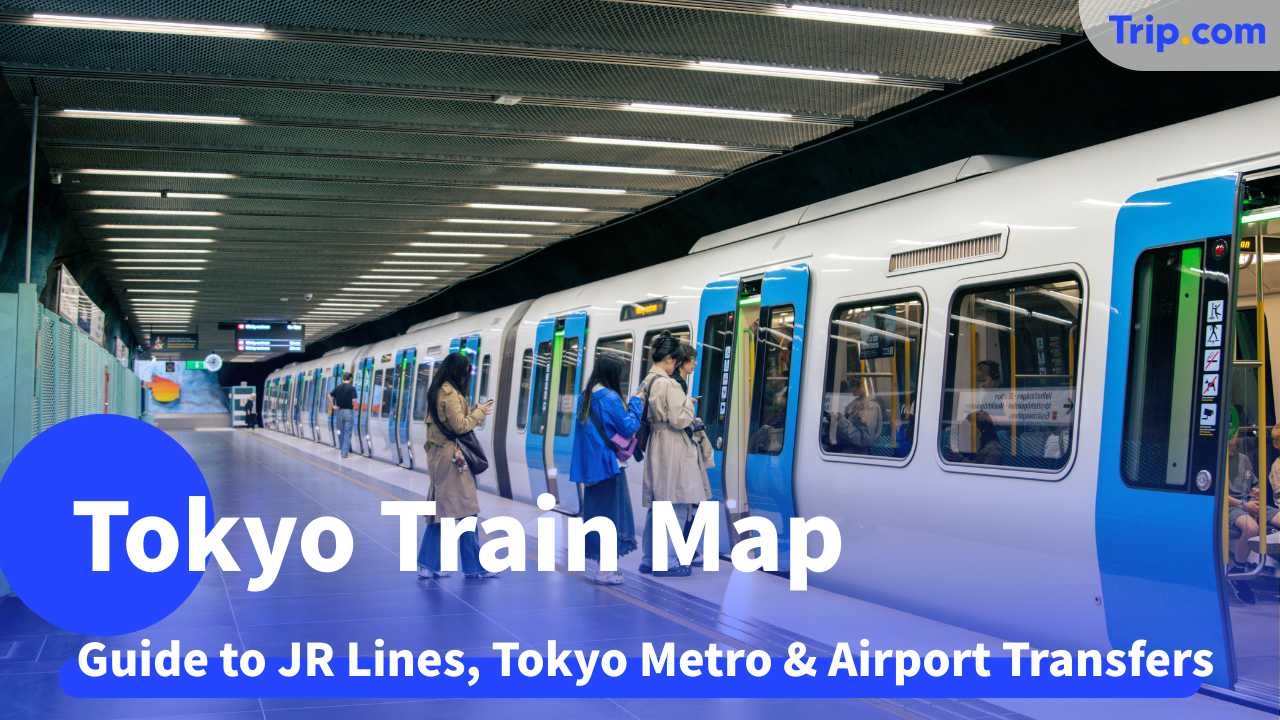
The Tokyo rail network is widely regarded as one of the most comprehensive and efficient systems in the world. For Hong Kong tourists used to the reliability of the MTR, Tokyo’s system offers a familiar sense of efficiency but on a vastly larger and more complex scale.
Whether you are flying into Haneda or Narita from HKG, or navigating between the shopping havens of Shinjuku and Ginza, Trip.com's guide demystifies the web of JR, Metro, and private lines. Here is everything you need to know to navigate Tokyo like a local.
 已出售189582
![[官方票券] Skyliner 京成電鐵車票(東京機場快線:成田國際機場-上野站/日暮里)【可選+東京捷運優惠組合】](https://ak-d.tripcdn.com/images//0580f12000qjpzexo5F36_C_568_320.jpg)
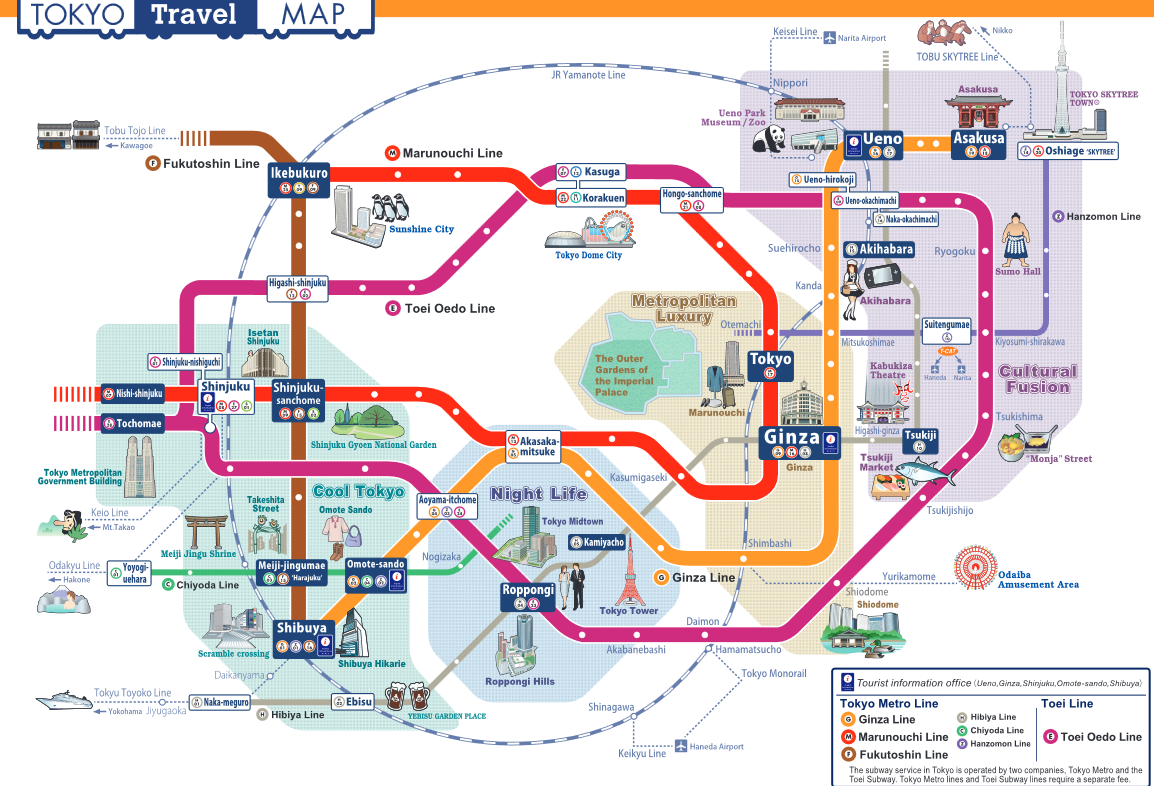
Overview of the Tokyo Train Map
Tokyo boasts one of the world’s most complex yet remarkably efficient railway networks. It links every corner of the city—from buzzing shopping districts and business hubs to popular cultural sites and must-see attractions—making it the easiest way to get around.
Quick Reference: Tokyo’s Main Train Lines
Line | Operator | Key Areas Covered | Best For |
|---|---|---|---|
JR Yamanote Line | JR East | Shinjuku, Shibuya, Tokyo, Ueno, Akihabara, Ikebukuro | First-time visitors, general sightseeing |
Ginza Line | Tokyo Metro | Shibuya, Omotesando, Ginza, Nihombashi, Asakusa | Shopping, city exploration |
Marunouchi Line | Tokyo Metro | Tokyo Station, Shinjuku, Ikebukuro | Business travelers, downtown hotels |
Hibiya Line | Tokyo Metro | Roppongi, Tsukiji, Ueno, Akihabara | Food tours, nightlife |
Toei Oedo Line | Toei Subway | Shinjuku, Roppongi, Ryogoku, Ueno-Okachimachi | A mix of modern and traditional Tokyo |
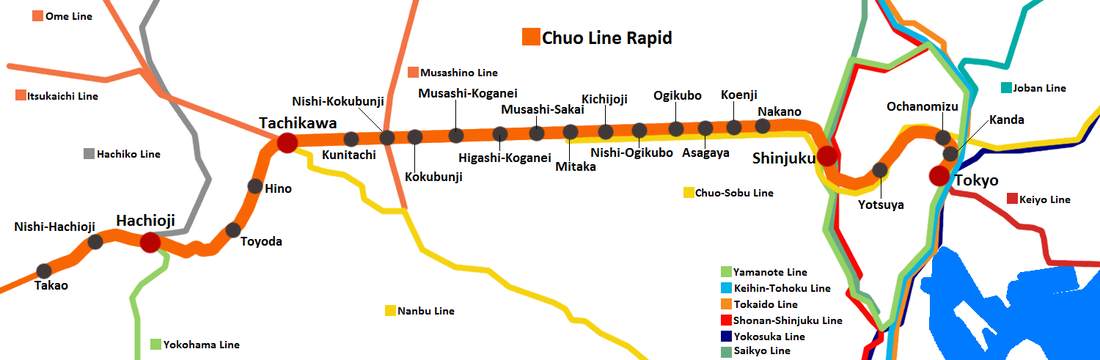
JR Chuo Line (Rapid) | JR East | Tokyo, Kanda, Shinjuku, Nakano, Mitaka (Ghibli Museum) | Fast city travel |
Keisei Skyliner | Keisei Railway | Narita Airport, Nippori, Ueno | Travelers to and from Narita Airport |
Tokyo Monorail | JR Group | Haneda Airport – Hamamatsucho (connects to Yamanote Line) | Travelers to and from Haneda Airport |
🟢 JR Yamanote Line
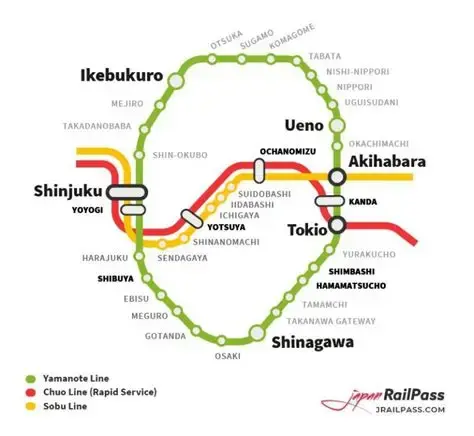
Source: jrailpass.com
Station | Nearby Highlights |
|---|---|
Tokyo Station | Marunouchi District, Shinkansen Connections |
Shibuya | Shibuya Crossing, Hachiko Statue, shopping and fashion |
Shinjuku | The busiest station in the world, shopping, nightlife, and Shinjuku Gyoen Park |
Harajuku | Takeshita Street, youth fashion, kawaii culture |
Ikebukuro | Sunshine City, anime and gaming spots |
Ueno | Ueno Zoo, museums, cherry blossom park |
Akihabara | Electronics, anime, and manga hub |
Shinagawa | Business hotels with access to Haneda Airport |
Yurakucho | Close to Ginza, ideal for dining and shopping |
Overview
- Operator: JR East
- Type: Commuter Loop (Above ground)
- Frequency: Every 2–4 minutes
- Operating Hours: ~04:30 – 01:00
Why it suits travellers?
If you stay near a Yamanote station, you essentially have access to everywhere. It is the easiest line to understand—you just go clockwise or counter-clockwise.
Key Stations & Highlights
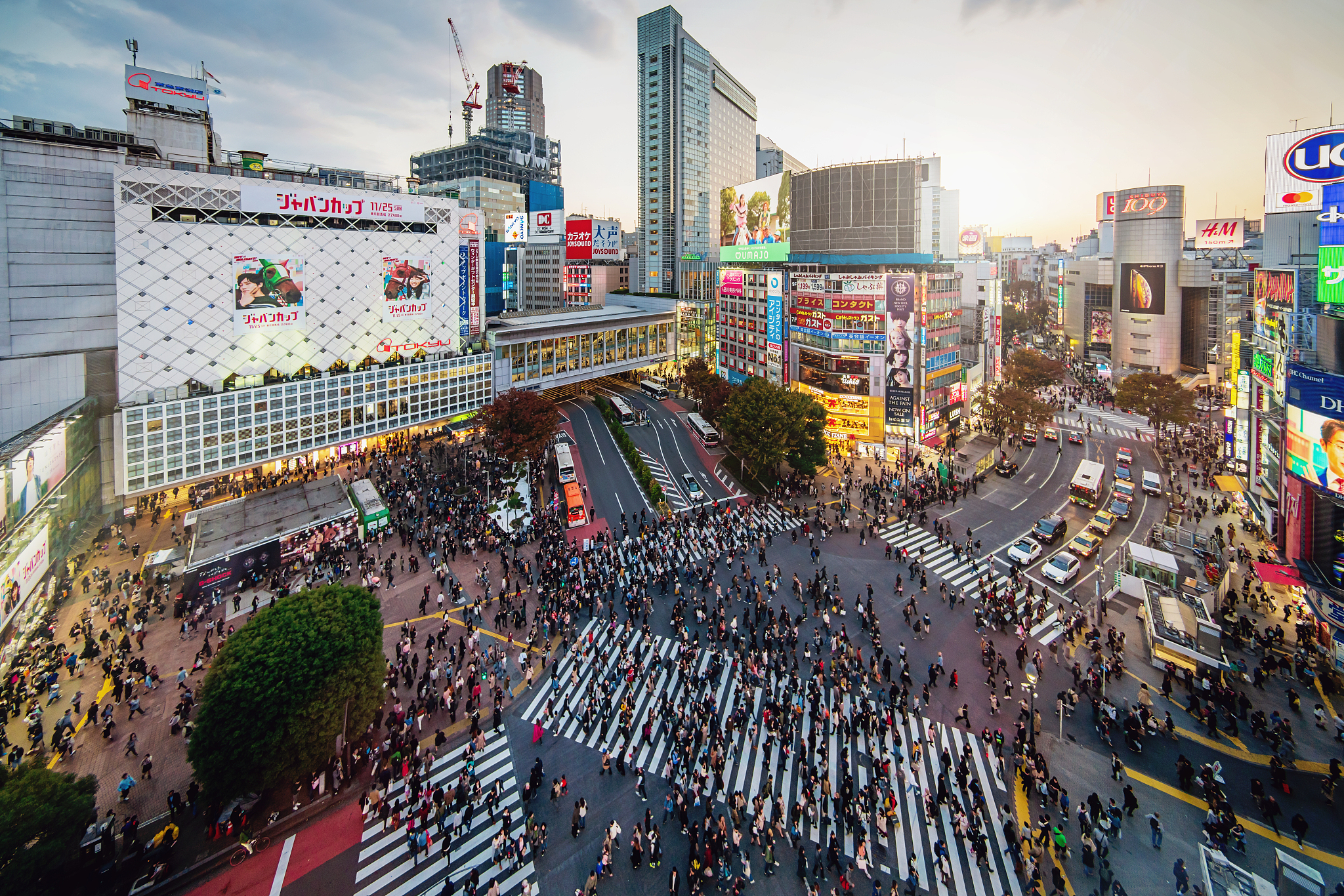
- Shibuya: The Scramble Crossing and endless shopping (Parco, Scramble Square).
- Shinjuku: The world’s busiest station. Great for department stores (Isetan, Lumine) and connecting to Hakone.
- Harajuku: Youth fashion and Meiji Shrine.
- Akihabara: The spiritual home for electronics and anime figures.
- Ueno: Ameyoko Street (great for bargain hunting) and museums.
🟡 Tokyo Metro Ginza Line
Source: genkimobile.com
Station | Nearby Highlights |
|---|---|
Shibuya (G01) | Shibuya Crossing, Hachiko, shopping and cafés |
Omotesando (G02) | High-end fashion, luxury boutiques |
Ginza (G09) | High-end shopping, department stores |
Nihombashi (G15) | Historic business district, near Tokyo Station |
Tawaramachi (G18) | Kappabashi Street (kitchenware, food replicas) |
Asakusa (G19) | Sensoji Temple, Nakamise Shopping Street |
Overview
- Operator: Tokyo Metro
- Type: Subway
- Line Color: Yellow
- Line Code: G
- Stations: 19
- Length: ~14.3 km
- Full Ride Duration: ~30 minutes
- Route: Shibuya (G01) – Asakusa (G19)
- Operating Hours: ~05:00 – 00:30
Tickets & Access
- Use Suica or Pasmo IC Cards for convenience
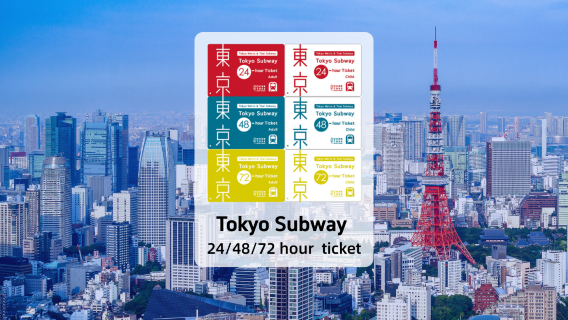
- Tokyo Subway Ticket (1–3 days) allows unlimited rides on Tokyo Metro & Toei Subway
- Check routes and fares with Tokyo Subway Navigation, Google Maps, or Navitime
Why it suits travellers?
This line connects the two things Hong Kongers love most: high-end shopping and traditional culture. It runs from the luxury boutiques of Omotesando directly to the temples of Asakusa without a transfer.
Key Stations & Highlights
- Omotesando (G02): Tokyo’s “Champs-Élysées,” featuring architecture similar to Landmark in Central.
- Ginza (G09): High-end department stores like Ginza Six and Mitsukoshi.
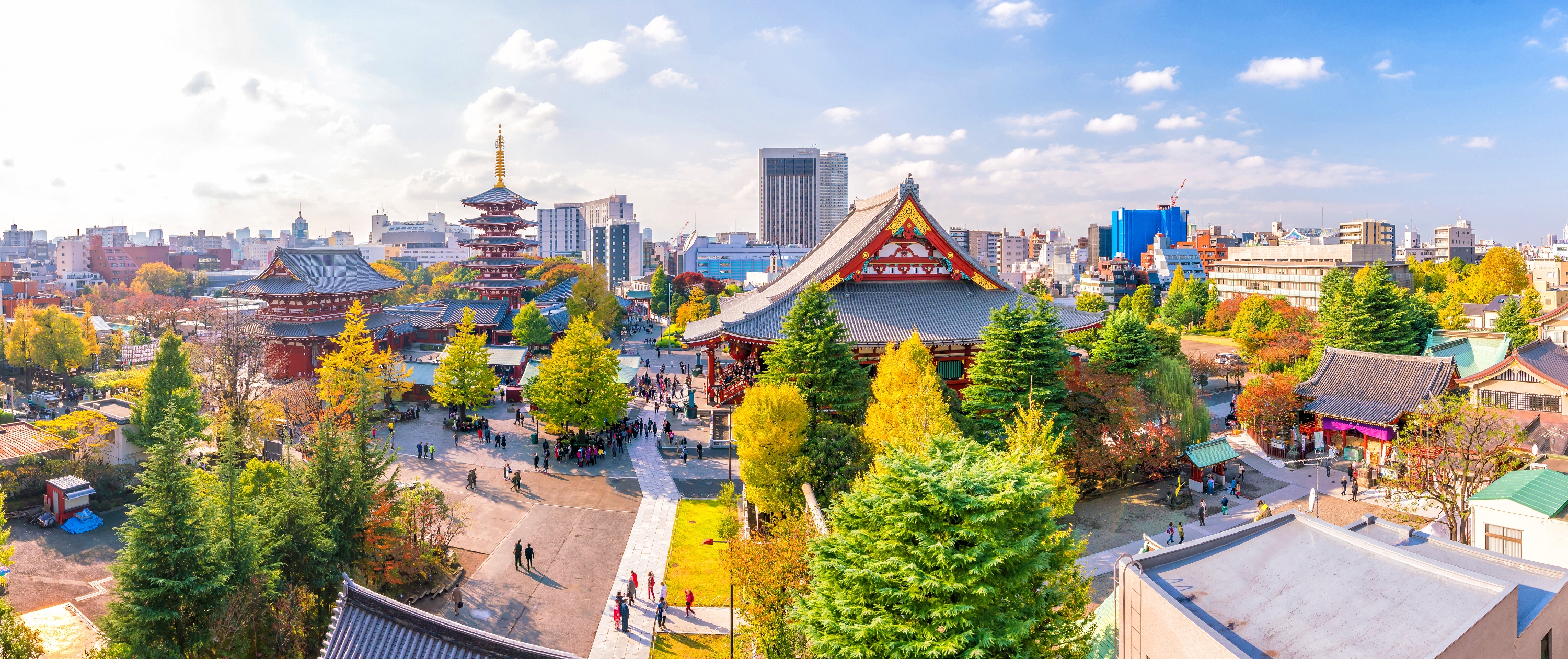
- Asakusa (G19): Senso-ji Temple and Nakamise Shopping Street for souvenirs.
Tickets: Use your Suica/Pasmo (Apple Pay) or the Tokyo Subway Ticket (24/48/72 hours) for unlimited rides on Metro lines.
🔴 Tokyo Metro Marunouchi Line
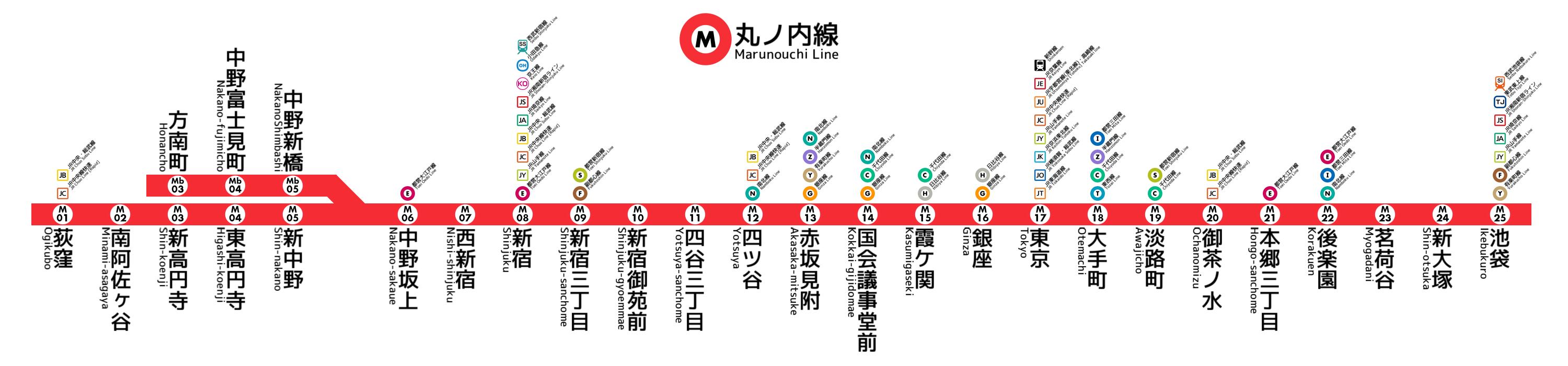
Source: maps-tokyo.com
Station | Nearby Highlights |
|---|---|
Tokyo Station (M17) | Shinkansen hub, Marunouchi, Imperial Palace |
Shinjuku (M08) | Shopping, nightlife, Shinjuku Gyoen |
Ikebukuro (M25) | Sunshine City, anime and gaming |
Akasaka-Mitsuke (M13) | Transfer hub, dining and nightlife |
Otemachi (M15) | Major transit hub, business district |
Yotsuya (M21) | Offices, universities, classic Tokyo atmosphere |
Overview
- Operator: Tokyo Metro
- Type: Subway
- Line Color: Red
- Line Code: M
- Stations: 28
- Length: ~27.4 km
- Full Ride Duration: ~50 minutes
- Main Route: Ogikubo (M01) – Ikebukuro (M25)
- Branch Line: Nakano-Sakaue – Honancho
- Operating Hours: ~05:00 – 00:30
Tickets & Access
- Use IC Cards (Suica/Pasmo)
- Tokyo Subway Ticket (Valid for 1/2/3 Days)
- Route and fare information available on Subway Navigation, Google Maps, and Navitime
Why it suits travellers?
This U-shaped line is vital for those staying in business hotels around Tokyo Station or Akasaka. It provides a direct link between the skyscrapers of Shinjuku and the historic Marunouchi side of Tokyo Station.
Key Stations & Highlights
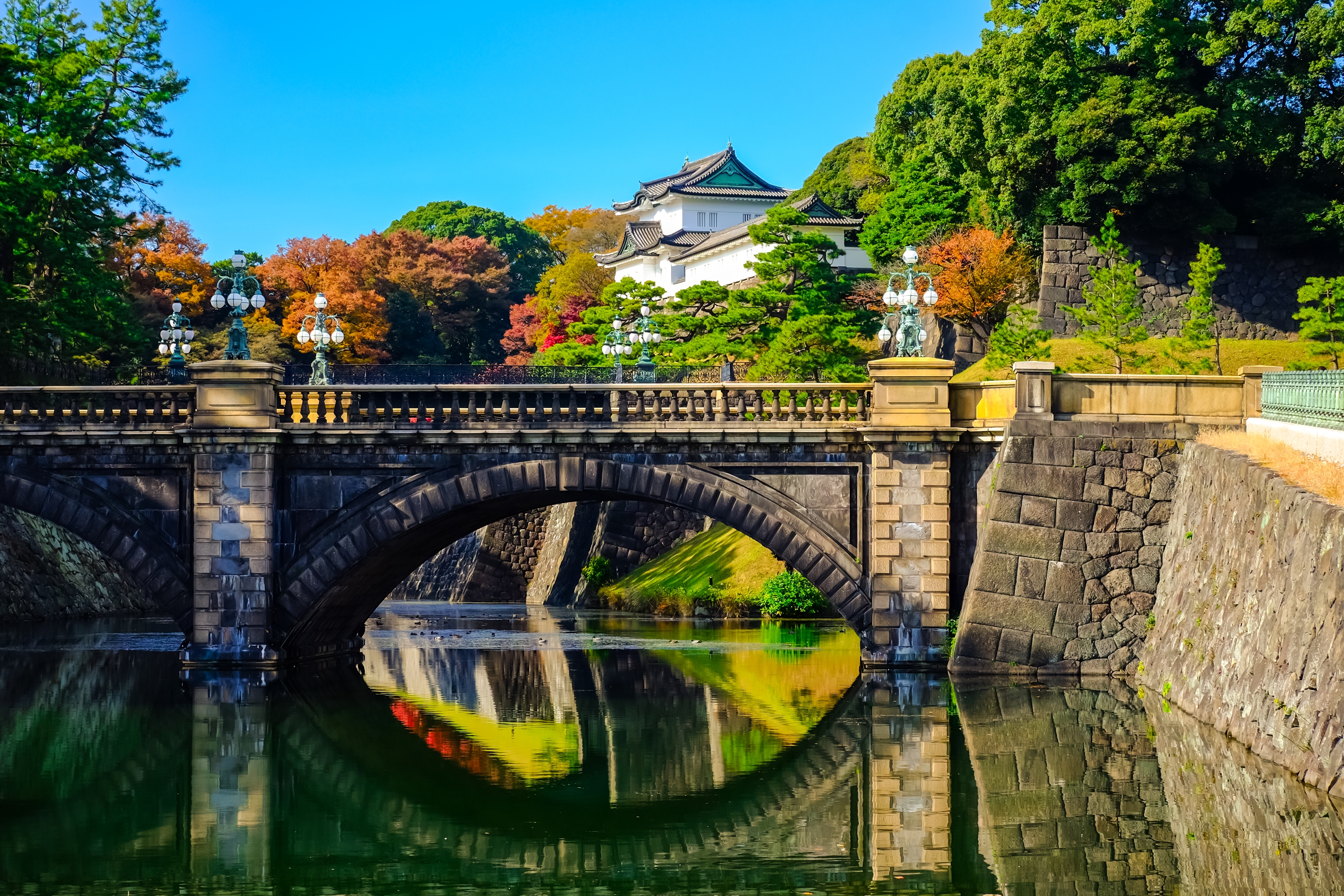
- Tokyo Station (M17): Easy access to the Shinkansen for trips to Kyoto/Osaka.
- Ginza (M16): An alternative stop for the Ginza district.
- Ikebukuro (M25): Sunshine City and heavy concentration of ramen shops.
🟠 Tokyo Metro Hibiya Line
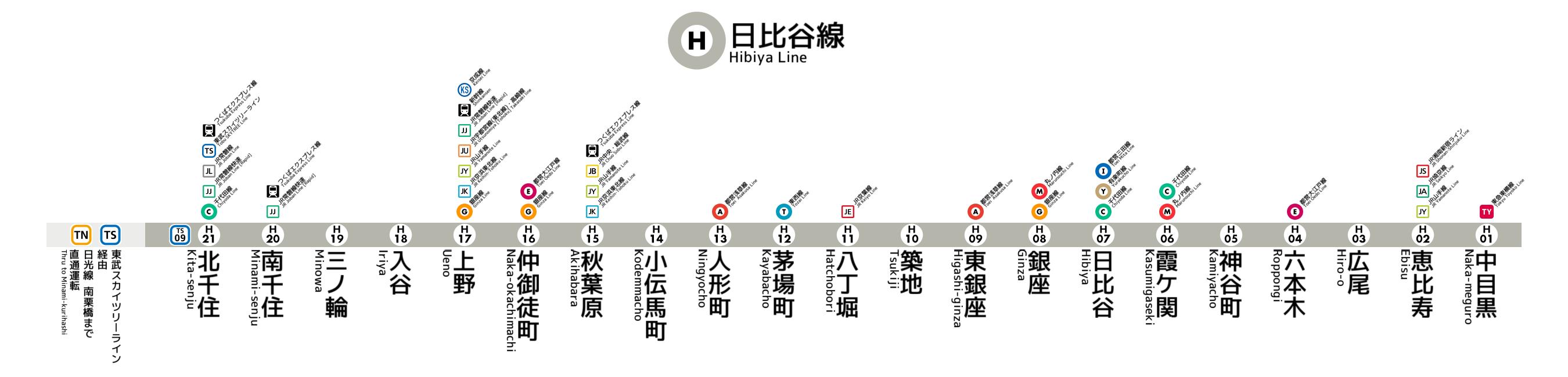
Source: maps-tokyo.com
Station | Nearby Highlights |
|---|---|
Naka-Meguro (H01) | Riverside cafés, cherry blossoms |
Roppongi (H04) | Roppongi Hills, art museums, nightlife |
Higashi-Ginza (H08) | Ginza, Tsukiji Outer Market |
Hibiya (H09) | Midtown Hibiya, parks, cinemas |
Ueno (H16) | Ueno Zoo, museums, cultural park |
Iriya (H17) | Local neighborhood near Asakusa |
Kita-Senju (H22) | Up-and-coming suburban hub |
Overview
- Operator: Tokyo Metro
- Type: Subway
- Line Color: Silver
- Line Code: H
- Stations: 22
- Length: ~20.3 km
- Route: Naka-Meguro (H01) – Kita-Senju (H22)
- Operating Hours: ~05:00 – 00:30
- Connections: Tokyu Toyoko Line, Tobu Skytree Line
Tickets & Access
- IC Cards (Suica/Pasmo) accepted
- Valid with Tokyo Subway Ticket (1/2/3 days)
- Route information available via Subway Navigation, Google Maps, and Navitime
Why it suits travellers?
Perfect for seafood lovers heading to the outer market at Tsukiji for a sushi breakfast, or those enjoying the nightlife in Roppongi. Naka-Meguro is also a trendy spot for coffee and cherry blossoms, reminiscent of the hip cafes in Sheung Wan.
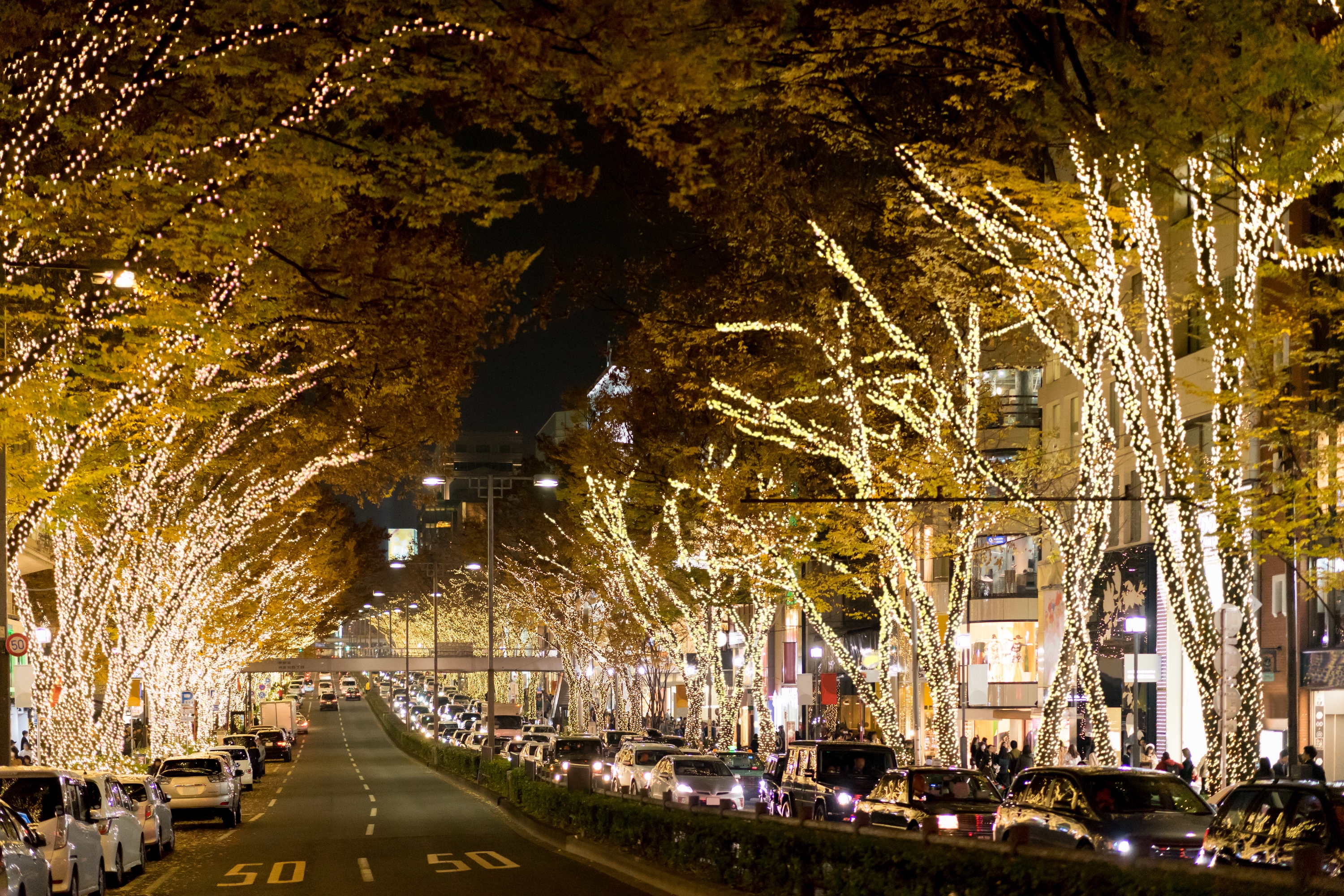
Key Stations & Highlights
- Roppongi (H04): Roppongi Hills, Mori Art Museum, and upscale dining.
- Tsukiji (H10): The Outer Market is still vibrant with street food and sushi.
- Akihabara (H16): Connects here for electronics shopping.
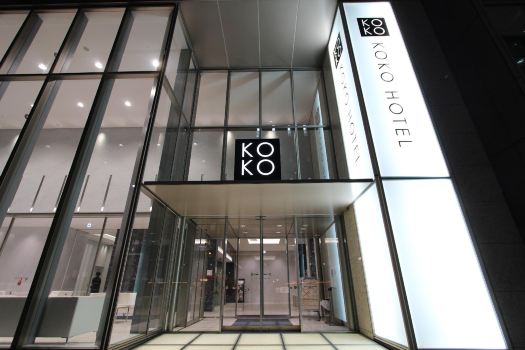

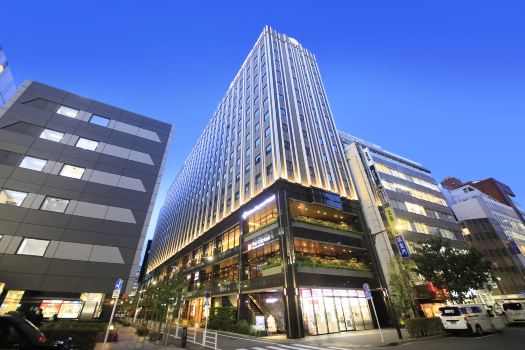
🟣 Toei Oedo Line
Source: wikimedia
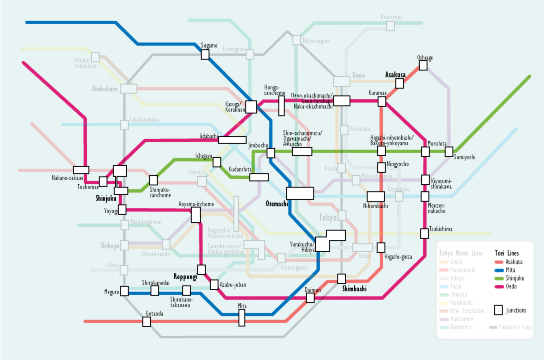
Station | Nearby Highlights |
|---|---|
Shinjuku (E27) | Shopping, city park, the world’s busiest station |
Roppongi (E20) | Roppongi Hills, Tokyo Midtown, art museums |
Tochomae (E28) | Tokyo Metropolitan Government Building (Free Observation Deck) |
Ueno-Okachimachi (E02) | Ueno Park, museums, zoo, Ameyoko Shopping Street |
Ryogoku (E24) | Sumo Museum, sumo arena, Edo-Tokyo Museum |
Tsukishima (E32) | Monjayaki Street, a famous local food district |
Iidabashi (E09) | Koishikawa Garden, a major transfer hub |
Overview
- Operator: Toei Subway (Tokyo Metropolitan Government)
- Line Color: Purple
- Line Code: E
- Total Stations: 38
- Length: ~40.7 km (the longest line in Tokyo’s subway system)
- Route Shape: Semi-loop with branches (resembles a “6”)
- Operating Hours: ~05:00 – 00:30
- Unique Feature: The deepest subway line in Tokyo, descending 48 meters underground
Tickets & Access
- IC Cards (Suica, Pasmo) accepted
- Covered by the Tokyo Subway Ticket (Toei + Tokyo Metro)
- Route maps and schedules are available on Tokyo Subway Navigation, Google Maps, and Navitime.
Why it suits travellers?
It connects the “Old Edo” areas like Ryogoku (Sumo district) with modern hubs like Shinjuku.
Key Stations & Highlights
- Roppongi (E23): Direct access to Tokyo Midtown.
- Tsukishima (E16): Famous for Monjayaki Street (a Tokyo specialty dish).
- Tochomae (E28): Free observation decks at the Tokyo Metropolitan Government Building.
🟧 JR Chuo Line (Rapid)
Source: allaboutjapantrains.com
Station | Nearby Highlights |
|---|---|
Tokyo | Imperial Palace, Marunouchi, Nihombashi |
Kanda | Easy transfer to Akihabara |
Ochanomizu | Musical instrument shops, universities |
Shinjuku | Shopping, entertainment, major transportation hub |
Nakano | Nakano Broadway: Anime and Collectibles |
Koenji | Vintage fashion, indie cafés, live music |
Mitaka | Ghibli Museum, Inokashira Park |
Tachikawa | Shopping centers, Showa Kinen Park |
Takao | Mount Takao hiking and nature trails |
Overview
- Operator: JR East
- Line Color: Orange
- Type: Rapid line (skips certain local stations)
- Route: Tokyo Station ⇄ Takao Station (via Shinjuku)
- Total Stations: ~28 (rapid service)
- Operating Hours: ~05:00 – 00:30
- System:
- Chuo Line (Rapid): Express route (orange)
- Chuo-Sobu Line (Local): Slower local service (yellow)
Tickets & Access
- IC Cards (Suica, Pasmo) accepted
- Valid with the JR Pass and the Tokyo Wide Pass
- Not included with the Tokyo Subway Ticket (JR line, not the Metro).
Why it suits travellers?
This acts like an “Express” train. It cuts through the middle of the Yamanote loop, making travel from Tokyo Station to Shinjuku incredibly fast. It is also the gateway to the Ghibli Museum.
Key Stations & Highlights
- Nakano: Nakano Broadway (vintage watches and anime collectibles).
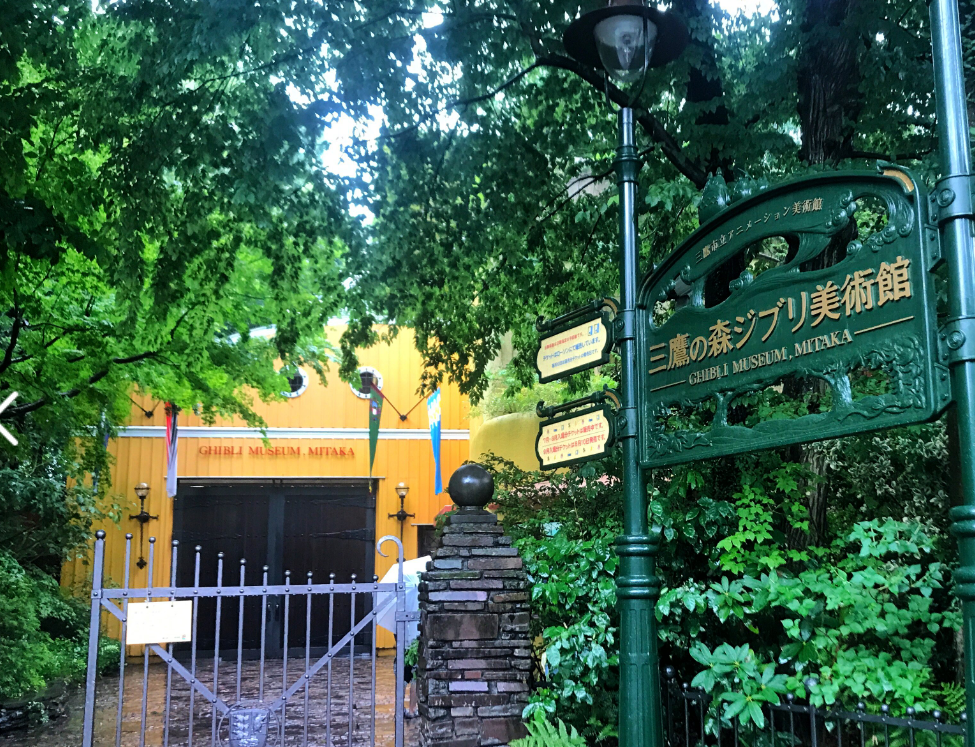
- Mitaka: Transfer here for the Ghibli Museum (tickets must be booked in advance).
- Kichijoji: consistently voted one of Tokyo’s most desirable neighbourhoods; great for vintage clothing.
✈️ Airport Transfers: Narita & Haneda
For Hong Kong tourists, efficiency is key. Here are the best ways to get into the city.

🔵 Keisei Skyliner
The equivalent of Hong Kong’s Airport Express (AEL).
Source: keisei.co.jp
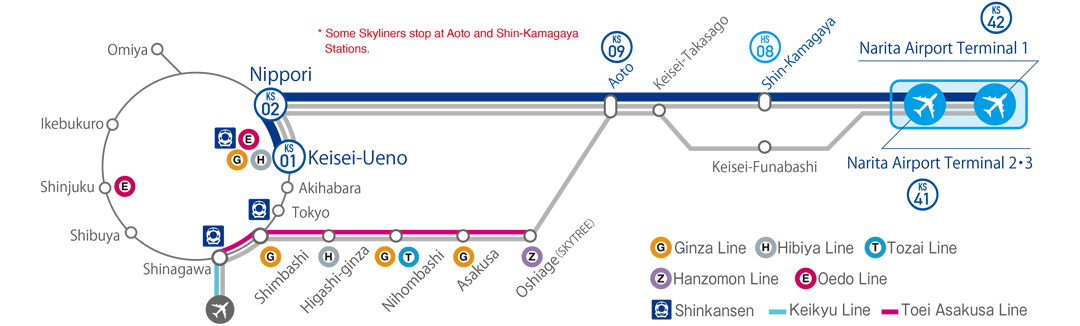
Station | Description |
|---|---|
Narita Airport T1/T2 | Directly connected to the airport terminals |
Nippori | Transfer to the JR Yamanote Line, ideal for Shinjuku/Shibuya |
Ueno | Access to Ueno Park, museums, Ameyoko Market |
- Route: Narita Airport ⇄ Nippori/Ueno
- Time: ~41 minutes
- Fare (Approx): ¥2,570 (~HKD 135)
- Why choose it: It is the fastest train option. From Nippori, you can easily switch to the JR Yamanote Line to reach Shinjuku or Ikebukuro.
- Note: This is a reserved-seat train. You cannot use just a standard IC card entry; you must buy a specific Skyliner ticket.
🔴 Tokyo Monorail
If you are flying into Haneda (HND), you are much closer to the city center.

Source: tokyo-monorail.co.jp
Station | Description |
|---|---|
Haneda Airport T3/T2/T1 | Direct access from every terminal |
Tennozu Isle | Transfer to Rinkai Line (for Odaiba, Disney Resort) |
Hamamatsucho | Transfer to JR Yamanote Line & Toei Asakusa Line |
- Route: Haneda Airport ⇄ Hamamatsucho
- Time: ~13–18 minutes
- Fare (Approx): ¥500 (~HKD 26)
- Why choose it: Scenic views of Tokyo Bay and immediate connection to the JR Yamanote Line at Hamamatsucho station.
- Payment: IC Cards (Suica/Pasmo) are accepted.
💡 Essential Tips for Hong Kong Tourists
- The Octopus Equivalent: Get a Suica or Pasmo card.
- Pro Tip: You usually don’t need a physical card. Open your iPhone Wallet app, press “+”, select “Transit Card,” and add a Suica or Pasmo. You can top up directly using Apple Pay with your HK credit card.
- Escalator Etiquette: Unlike Hong Kong where we stand on the right, in Tokyo, you generally stand on the left and walk on the right. (Note: In Osaka, it switches back to the right!).
- Navigation Apps: Google Maps is excellent, but Japan Travel by Navitime is often better for identifying the best exits and platform numbers.
- Silence is Golden: Japanese trains are very quiet. Avoid talking on the phone or speaking loudly, which is strictly observed etiquette.
- Subway Passes: If you plan to do a lot of subway hopping (Metro + Toei lines), buy the Tokyo Subway Ticket (24hr: ¥800, 48hr: ¥1200, 72hr: ¥1500) at the airport or Trip.com. It offers significant savings compared to paying per ride.
✨Conclusion
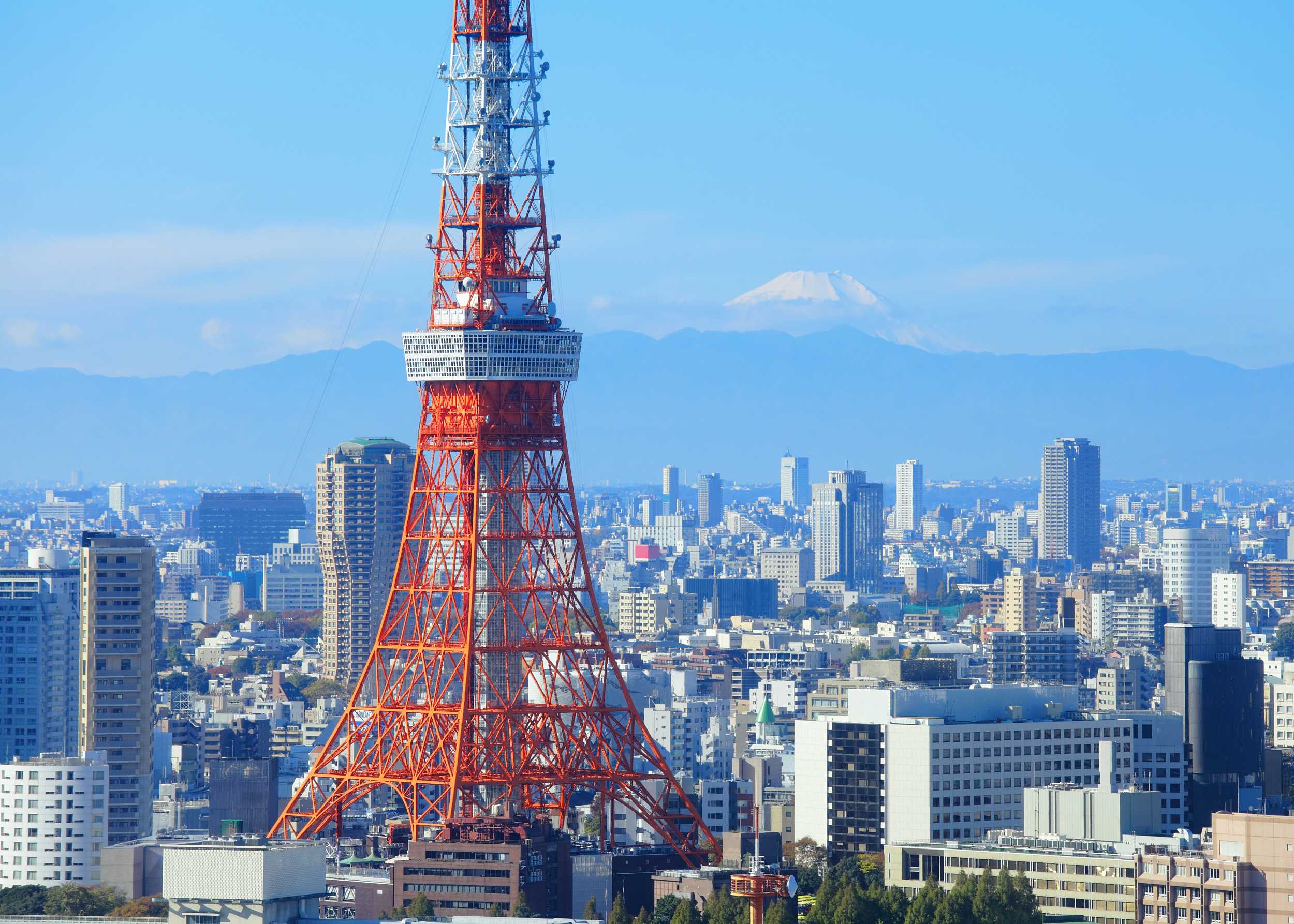
Tokyo offers a vast, fast, and seamlessly connected train network—perfect for exploring the city without any hassle. From iconic loop lines like the JR Yamanote Line to underground subways such as the Ginza and Marunouchi Lines, every route is designed to make travel easy for both tourists and locals.
Here’s a quick guide to help you pick the right line based on your interests:
- Classic sightseeing and popular spots: Hop on the JR Yamanote Line for easy access from Shibuya to Ueno and everywhere in between.
- Food, temples, and local culture: Hop on the Ginza Line or Hibiya Line to explore Asakusa, Tsukiji, and Roppongi.
- Speedy airport transfers: The Keisei Skyliner (Narita) and the Tokyo Monorail (Haneda) are your fastest options.
- Nightlife and modern city vibes: Ride the Toei Oedo Line or Hibiya Line to Shinjuku, Roppongi, and Ebisu.
- Quiet, artsy neighborhoods: The JR Chuo Line (Rapid) connects you to Kichijoji and Mitaka, including the Ghibli Museum.
Tokyo’s train system makes discovering the city simple, efficient, and enjoyable for every type of traveler.
FAQs
-
What is the Tokyo train map?
-
Can I use a single ticket for all lines?
-
Where can I view a complete Tokyo train map?
-
Are all train lines available in English?
-
What are the best tips for using trains in Tokyo?