





 4.3/5
4.3/5 _TI***uk
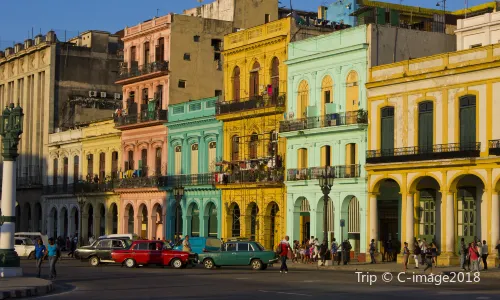
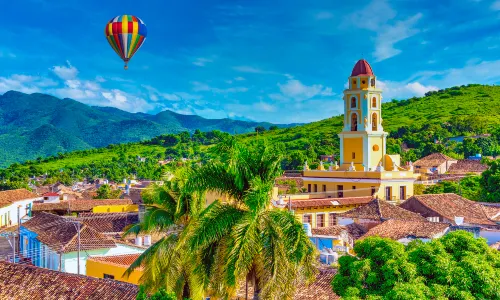
Amazing old town. very clean streets, nice architecture, music in the air. People are nice and friendly, but you still see poverty. the Cubans live with just essentials, and it's basically impossible to buy any essential products in the maket/stores. alcohol, fruit, some vegetables, and that's all.
 4.7/5
4.7/5 Nickolas C
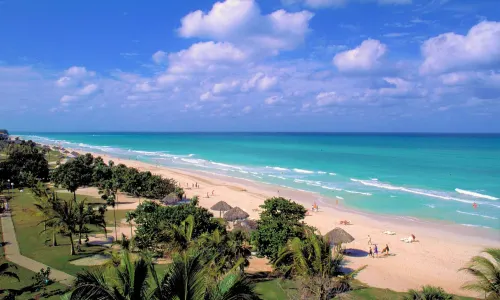
Best bluest waters you can find on earth! The white sand… the clear waters… perfect for a beach day!
 4.3/5
4.3/5 中西南北东
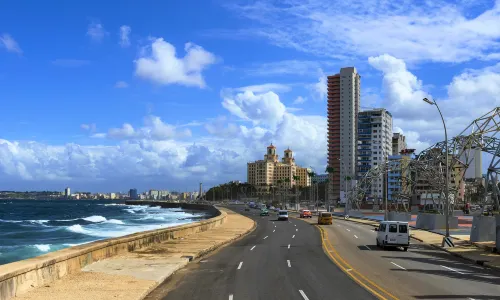
中西南北东Malecón Boulevard in Havana connects the new and old towns, boasting a beautiful environment that attracts many people for strolls, romantic walks, dancing, and folk music concerts. It's considered one of Havana's most vibrant nightlife spots, and the famous Havana Carnival is held here annually on July 26th. The boulevard is very long; walking the entire length would likely take one or two hours. Many locals fish along the shore, while tourists relax and unwind. The daytime sun is too strong, so those sensitive to sunburn are advised against walking the entire length. Consider renting a classic car and having a driver take you around in a convertible. There are several stops along the way where you can stop for photos. Watching the sunset from Malecón Boulevard is indeed a wonderful option—it's breathtaking!
 44.0/5中西南北东
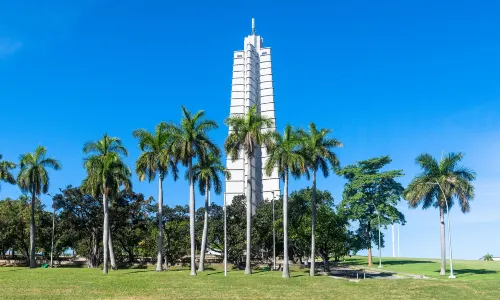
Built to commemorate the victory of the Cuban Revolution, this square is comparable to Tiananmen Square in Beijing. Important state organs, such as the Central Committee of the Communist Party of Cuba, are located around the square. In the center of the square stands a statue of the famous Cuban poet José Martí.
 54.8/5
 Triple SSS
Beautiful City to visit. The streets are full of history and color.
 64.2/5
 西行阿里
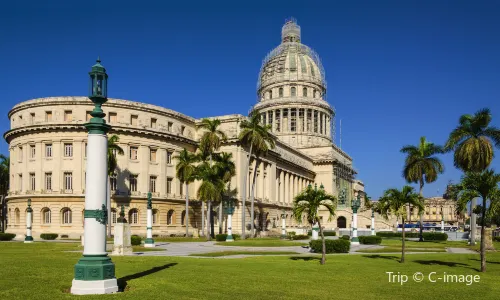
西行阿里The Cuban Capitol is one of the six most famous congress palaces in the world, and it is very similar to the U.S. Capitol. In 1926, this Capitol was built by American engineers and was basically modeled after the U.S. Capitol. It cost $17 million and took 5,000 workers three years and three months to build. In 1929, the incomparable Capitol was built. In 1931, this neoclassical Capitol became the office building of the Cuban House of Representatives and Senate.
 74.0/5中西南北东
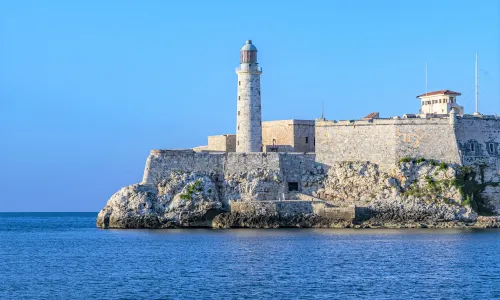
The castle is built on Cavaña Hill, overlooking the entire city across Havana Bay. Since the construction of Havana's walls and gates in the late 17th century, a cannon-firing ceremony has been held every night at 9 p.m. to announce the closure of the city gates and port. This tradition of firing the cannons continues to this day and has become an important tourist attraction.
 84.7/5
 乖小咪
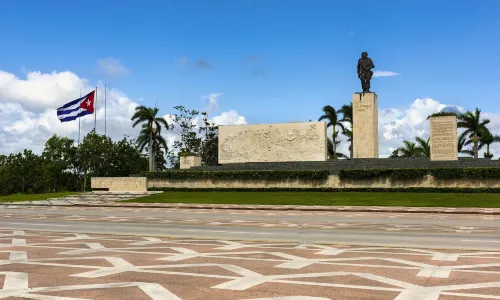
乖小咪The Guevara Museum in Santa Clara is a museum dedicated to the independence hero, Che Guevara. It displays the weapons he used during his lifetime, as well as family photos and manuscripts. It is a place that fully introduces this Cuban national hero and is worth visiting.
 94.2/5中西南北东
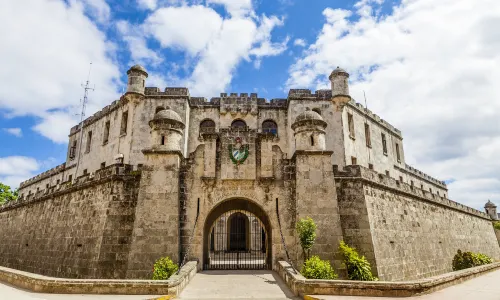
The Royal Army Castle Museum, located at the intersection of Plaza de Armas and Porta del Campo in Havana, was built between 1558 and 1576 and is the oldest surviving military fortress in Havana. This building served as the core of colonial rule for nearly two centuries and is now part of the National Museum, housing exhibition halls. Its architecture blends 16th-century European fortress defense systems with Caribbean colonial styles, making it an important site for studying the history of Spanish colonial expansion and rule in Cuba. However, it seems to be closed recently; check before you go.
 104.2/5
 cparissh
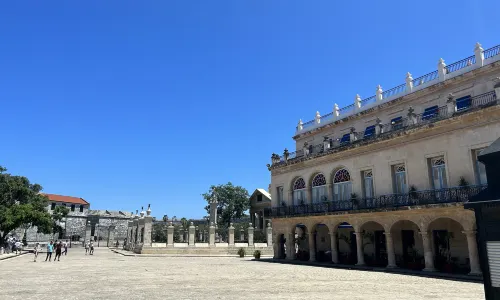
The Plaza de Armas is in the old city. There are several squares in it, and they are not very far away if you walk. The May 7th Square is relatively large, and it is like a street garden with many flowers and plants, and there are benches to sit down and rest.


 No. 1 of Night Attractions in Cuba