Hong Kong Clam Digging 2026: Best Spots, Tides & Tips

目錄
- Top 3 Clam-Catching Spots in Hong Kong in 2026
- A comparison of clam-catching locations
- Nai Chung Clam Digging: Best for Sunset Photos
- Pak Shek Clam Digging: Beginner- and Family-Friendly
- Shui Hau Village Clam Digging: Best for “Mirror of the Sky” Photos
- Hong Kong Clam Farming Best Season and Tide Inquiry Tutorial
- Touching clam season
- Tidal inquiries
- Touching mussels complete step-by-step tutorial
- Essential tools for clam harvesting
- Can you eat mussels by touching them? Safety risks, consumption instructions and correct cooking methods
- Hidden health risks
- Who does not recommend eating mussels found in the wild
- After touching the mussels & safe cooking standards
- 3 easy mussel cooking recipes
- Environmental and Edible Supplement Reminders
展示更多
Thinking about what to do on summer vacation? In addition to water activities, you can also consider touching mussels! Caught mussels can be sent to the mudflat neighborhood store for paid cooking! 2026 Hong Kong oyster touching the sea complete strategy, inventory of Mui Chung, Bai Shi, Shuikou Village 3 parent-child touching mussel locations, explain the best mussel touching season, tide time, essential tools, mussel touching tutorial, with mussel processing cooking methods and safety and environmental protection tips.
| Clam Digging Spot | Best For | Tidal Flat Conditions | Facilities | How to Get There | Highlights |
| Nai Chung | Couples, sunset photography, groups of friends | Mostly pebbles and oyster shells, with clams scattered across the shore | Nearby shops offer tool rental and paid clam cooking services | Take bus 99 from Wu Kai Sha Station; about 15 minutes | Beautiful sunset views over the sea, ideal for photos before or after clam digging |
| Pak Shek | Families, beginners, young children | Shallow water and soft sand, with fewer sharp rocks | No nearby rental shops; bring your own tools and water shoes | About a 10-minute walk from Wu Kai Sha Station | Calm, shallow water and easy digging conditions make it beginner-friendly |
| Shui Hau Village | Photographers, quieter trips, half-day outings | Wide mudflats that create mirror-like reflections at low tide | Village shops rent digging tools and can cook freshly caught clams for a fee | Take bus 11 from Tung Chung town centre, then walk about 15 minutes | Spacious scenery, fewer crowds, and excellent reflections for photography |
Nai Chung is one of the most popular clam-digging spots near Sai Kung, close to Wu Kai Sha. Around sunset, the coast is often bathed in warm golden light, making it a popular place for both photography and clam digging.
The shore is mainly covered with pebbles and oyster shells, so wearing water shoes or protective footwear is highly recommended to avoid cuts. Clams are usually buried in shallow mud and can be found by gently scraping the surface with a small clam rake.
📍 Address: Nai Chung Village, Sai Sha Road, Sai Kung North
🚌 Transportation: Take bus 99 from Wu Kai Sha MTR Station to Nai Chung Bus Terminus. The journey takes around 15 minutes.


Instagram: @spjaysparks
Pak Shek in Ma On Shan is another popular spot for clam digging. Compared with Nai Chung, the mudflat generally has fewer oyster shells and loose stones, while the shallow water and softer sand make it easier for beginners and families with children to explore.
Pak Shek is also known as a good place to look for sand clams, and the relatively easy digging conditions make it a convenient choice for first-time visitors.
One of Pak Shek’s biggest advantages is its accessibility. It is within walking distance of Wu Kai Sha MTR Station, so no bus transfer is required. However, there are no lifeguards or nearby shops offering clam-digging tool rentals, so visitors should bring their own tools, water shoes, drinking water, and other essentials.


📍Address: Wu Kai Sha, Bai Shi Luo He Sha Li
🛻Transportation: Approximately 10 minutes walk from Wu Kai Sha MRT station
For a quieter escape from the city, Shui Hau Village on Lantau Island is a great choice. Its wide mudflats and open sea views create a peaceful setting, and during low tide, a thin layer of water can produce beautiful “Mirror of the Sky” reflections—perfect for photography.
Shops near the village may offer clam-digging tools for rent, although availability can vary. It’s best to check before your visit or bring your own tools just in case.
📍 Address: Shui Hau Village Beach, Lantau Island
🚌 How to Get There: Take bus 11 from Tung Chung and get off at Shui Hau Tsuen. From there, walk about 15 minutes to the mudflats. You may also find shops near the bus stop offering clam-digging tool rentals.

Instagram: @marcokwong1010
Every year from April to October is the mussel touching season in Hong Kong, which is spring and summer to early autumn.
The key to success or failure in touching mussels Many times look at the tide, the best time to touch mussels is from 3 to 6 pm after the tide recedes, the tide recedes easier to catch mussels!
- Observe the silt patterns: Small round holes appear in the shallow silt, which hide mussels underneath
- Mud rakes lightly scrape the surface layer: Do not dig deeply to avoid damaging the mussel shells while protecting the beach coating ecology
- Screening classification: only leave more than 4cm mature mussels, small mussels on the spot put back into the silt released
- Rinse with clean water: The excavated mussels are immediately rinsed with seawater to remove surface silt and placed in a bucket for temporary storage
- Fill the mud puddle before you leave: Do not leave bumpy mud holes to avoid injury to latecomers by stepping on the air
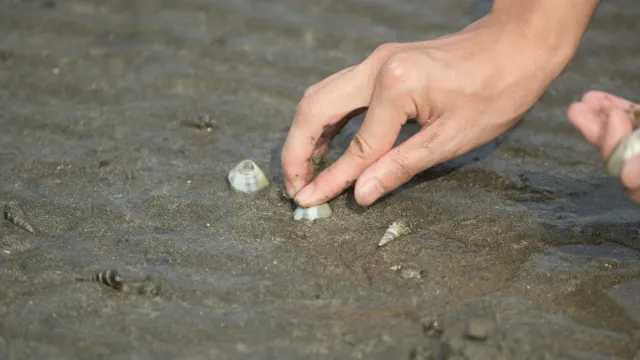
(Photo/HK01)
| tool | purpose | alternatives |
| Mud rake (any size) | Scrape open the silt to quickly find mussels to improve excavation efficiency | Kids beach plastic small shovel |
| Bucket | Store excavated mussels, load seawater for sand spitting | Large capacity plastic beverage bottles, plastic storage boxes |
| Water bottle | Fill with clean water, refill drinking water, rinse hands and feet as mussel digging tools | Portable mineral water bottle for reuse |
| White rice fish/Waterproof water shoes (for foot protection) | Prevent gravel, oyster shell from stinging the soles of the feet, non-slip | Thickened children's play water glue shoes |
| Gloves (depending on individual needs). | Avoid silt, sharp oyster shells scratching the palms | Thick cotton labor gloves |
| Folding small plastic stool | Squatting for long periods of time to dig mussels, comfortably reduce waist fatigue | Lightweight picnic mat to apply directly on the beach |
Local media have conducted professional tests on wild mussels in Shuikou Village and Mui Chung and found that beach mussels around the city are filter-feeding mussels, which accumulate heavy metals and microplastics in seawater, with three major risks:
* The above group of people is recommended to only experience the fun of touching mussels, all the dug mussels are released, do not eat
If consumed, handling steps must be strictly followed to reduce risk:
- Screen for Elimination: Discard mussels with broken shells, bumps that won’t close, and foul-smelling mussels
- Salt water spitting: Add 35g sea salt per liter of clean water and soak for at least 2 hours, changing the water twice midway to force out the silt from the body
- Hard brush shell: An old toothbrush brushes clean the silt on the shell surface and removes the internal organs where toxins are concentrated before cooking
- Forced long-term boiling: Water completely boils before dropping the mussels, all shells open after boiling for another 3–5 minutes, it is strictly forbidden to eat raw, half-cooked mussels
- Do not drink boiled mussel soup: the soup will precipitate impurities, it is recommended to pour it away directly
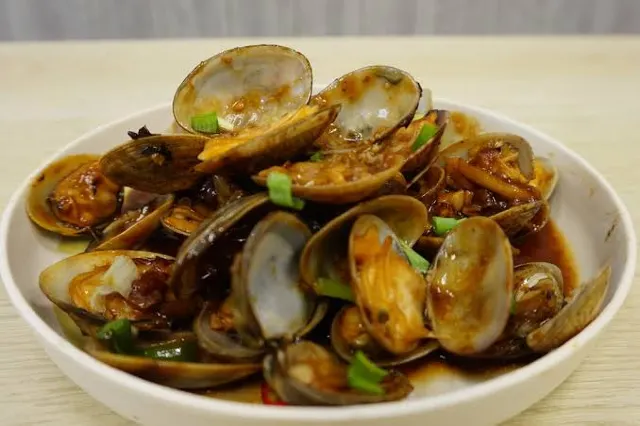
Boil water into the ginger slices, a little rice wine, put in the treated clean mussels, after the shell is fully opened, boil for an additional 3 minutes, drain and dip in soy sauce chili to eat, heating time enough, the flavor is original.
Ginger garlic, bean curd, chili sauté, pour in the mussels and stir-fry over high heat, add a little clean water and cover and bake until fully open. High-temperature stir-fry significantly reduces the risk of bacteria.
The plate is covered with shredded ginger, boiling water and put in the steamer, steaming for more than 10 minutes to ensure the internal temperature kills bacteria and parasites.
熱門文章

【2026澳門親子遊】6間澳門親子酒店推介|兒童樂園、水上樂園、小朋友好去處
 E29***14

【台灣簽證2026】港澳永久居民&非永居入境卡TWAC、網簽、雲端、落地簽流程&費用一次過睇晒
 Wylie Liu

【香港假期2027】香港公眾假期月曆+請假攻略!重陽聖誕連假、2027全年紅日一覽
 _TS***4m

Trip.com優惠碼官方2026年10月22日更新|酒店機票信用卡高鐵折扣
 Trip.com Official