Central Market Hong Kong Guide 2026: Food, Shops & History
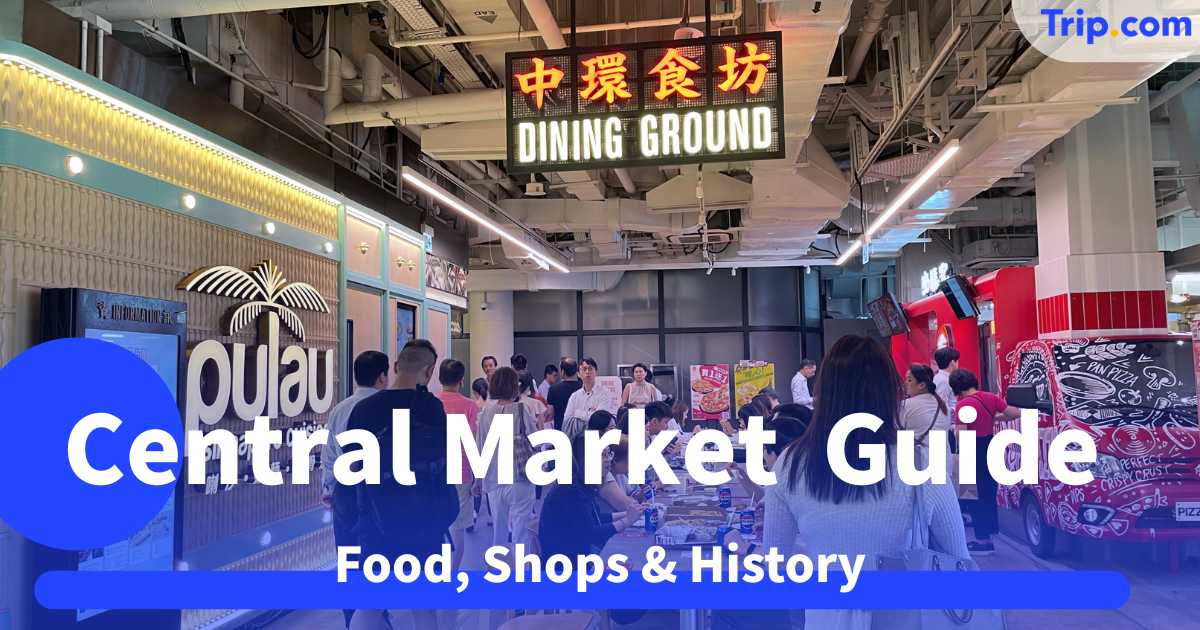
Whenever I find myself dodging the mid-day rush along Queen’s Road Central, there is one place I always drift toward for a bit of breathing room. Nestled right in the thick of our soaring skyscrapers is Central Market. For those of us living in Hong Kong, this isn't just another shopping mall; it is a living piece of our collective history that has been thoughtfully brought back to life.
Once a bustling, traditional wet market, Central Market has been transformed into what we call a "Playground for All." It bridges our past with our creative present. Whether you are visiting Hong Kong for the first time or looking for a weekend hangout, here is my personal, updated guide to exploring this historic landmark in 2026.
 NO.1
NO.1


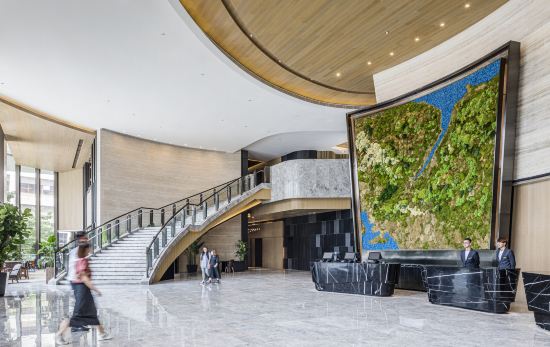
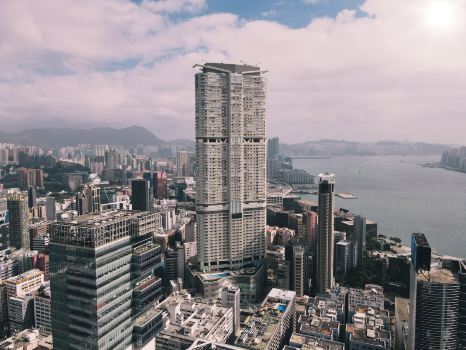
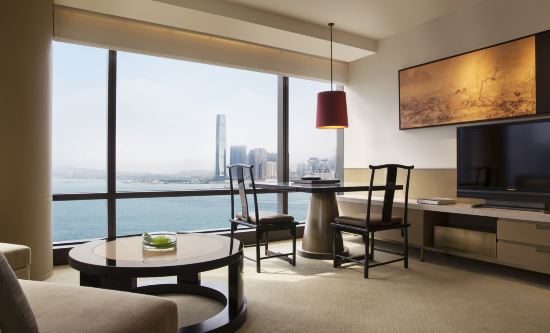




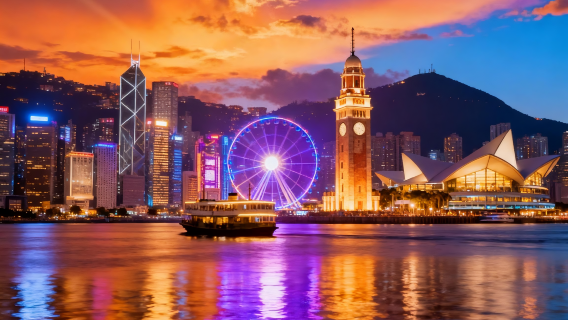
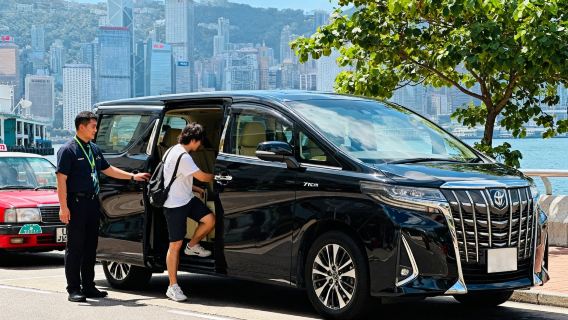
Central Market in Hong Kong occupies a 1939 Bauhaus structure featuring local design shops, a food court, and an outdoor oasis. Admission is free daily.
Understanding the Space: From Wet Market to Urban Oasis
Sitting right between Queen’s Road Central and Des Voeux Road Central, the market has been a fixture of the neighbourhood since 1842. The building we see today, completed in 1939, is a classic example of Bauhaus architecture—specifically the Streamline Moderne style, which was all about clean lines, horizontal window bands, and functional spaces.
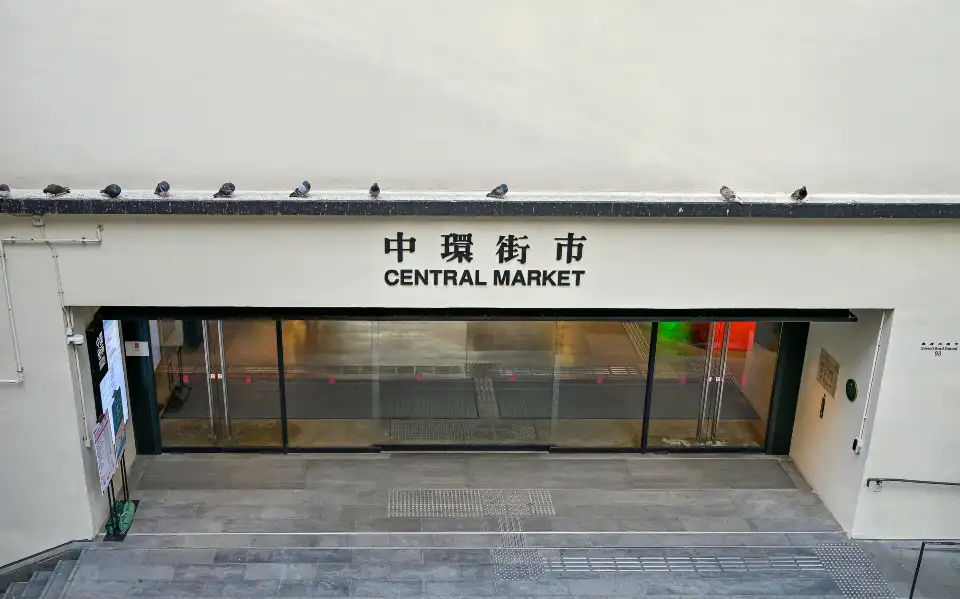
After standing quiet for many years, the building underwent a massive restoration led by the Urban Renewal Authority and the Chinachem Group. When I walk through it today, I’m always impressed by how they kept the original architectural integrity while injecting a modern, green community spirit.

 中環街市位於皇後大道中, 於戰前1939年建成1980年代經市區重建局活化,成為現在遊客及本地市民休閒娛樂之處。 街市內有很多本土特色手信店,場館定期也有文創市集舉行,地下一層更有餐廳食肆,另外中環街市更接連接中環半山扶手電梯, 遊客可一次過到訪兩個香港著名景點,值得推薦。
Architectural Highlights I Always Point Out
If you’re visiting, don't just rush to the shops. Take a moment to look at the structure itself. There are two specific spots where I always stop to take a photo:
1. The Classic Terrazzo Staircase
This grand staircase connects the ground floor to the first floor. It was built using a traditional "Shanghai plastering" technique. The steps are wide and gently sloped, which originally made it easier for market workers to carry heavy crates.
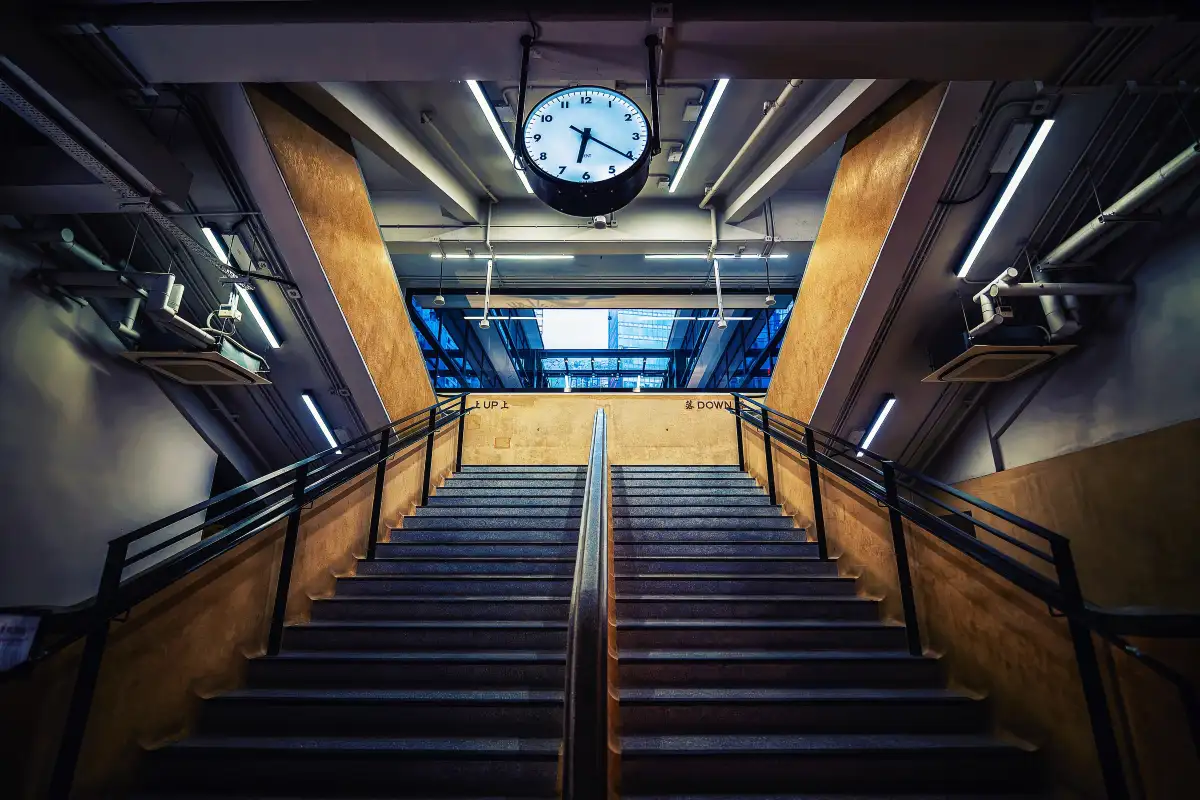
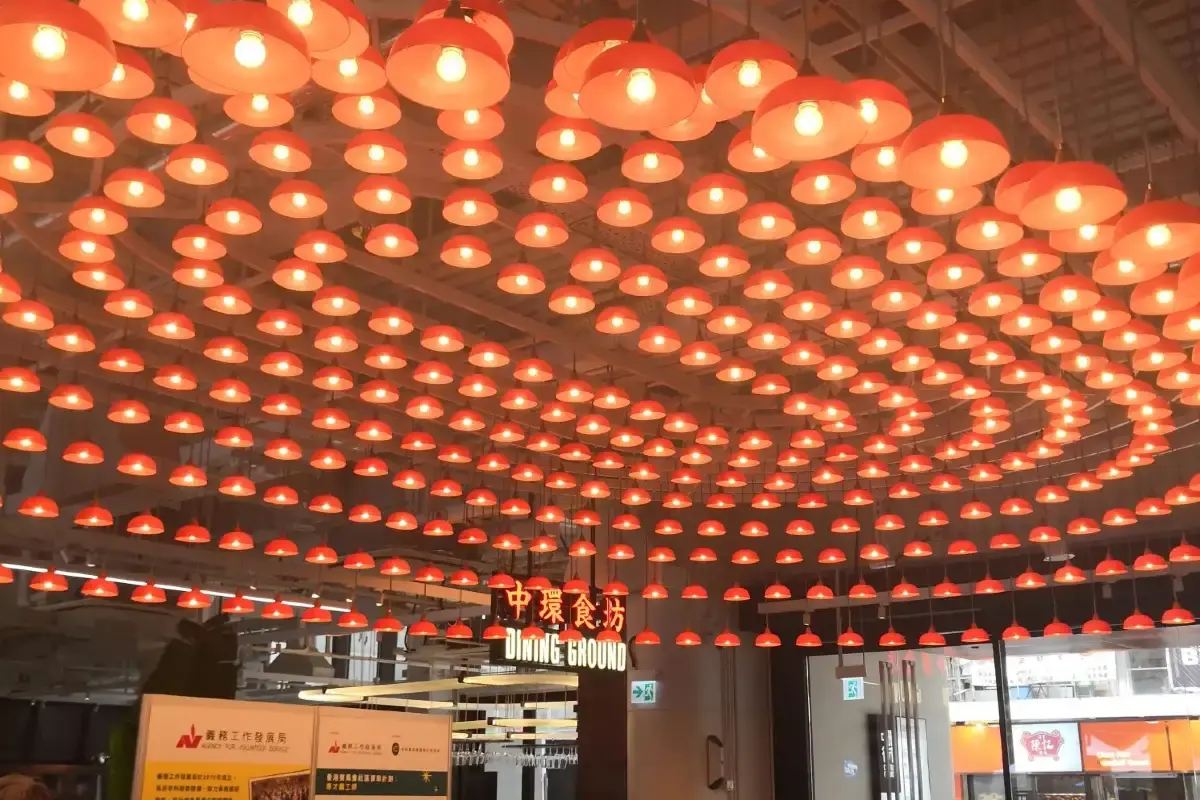
2. The Vintage Red "Egg Lamps"
At the entrance and hanging across the atrium, you will see hundreds of round, red plastic lampshades. These are a nod to Hong Kong's traditional wet markets, where stall owners used the warm red light to make fresh produce and meat look more appealing.
Beyond these, the developers preserved 13 of the original terrazzo market stalls. If you look closely, you’ll still see the vintage stall numbers, stone countertops, and old water taps. You can scan the QR codes on the stalls to read stories about the actual vendors who worked here decades ago.

How to Get to Central Market: MTR, Trams, and Ferries
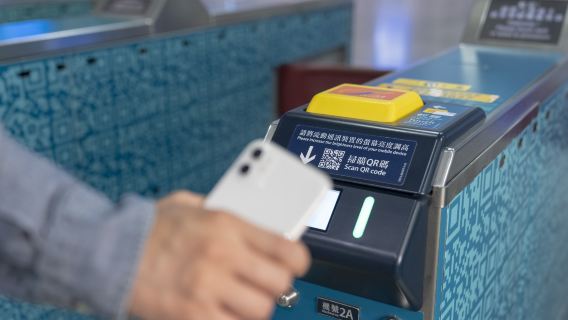
Getting to Central Market is incredibly directlyforward. Depending on where you are coming from, here are the routes I recommend:
Route / Transport | Recommended Stop/Exit | Walking Time | My Route Advice |
|---|---|---|---|
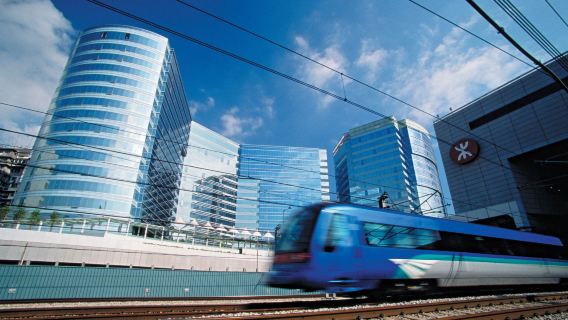
MTR Central Station | Exit C | ~3–4 mins | Turn left upon exiting and walk straight along Des Voeux Road Central. The path is entirely flat. |
MTR Hong Kong Station | Exit C | ~4–5 mins | Walk through the IFC Mall footbridge network. It is fully covered and air-conditioned—my go-to route on hot or rainy days. |
The "Ding Ding" Tram | Jubilee Street (52W/27E) | ~1 min | The tram stops right outside the Des Voeux Road entrance. At just HK$3.0 per ride, it's my favourite way to travel when I'm not in a hurry. |
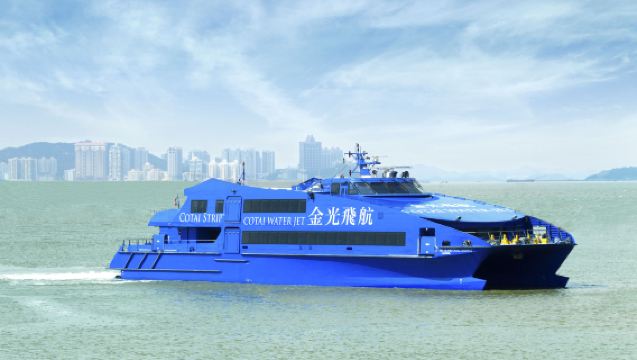
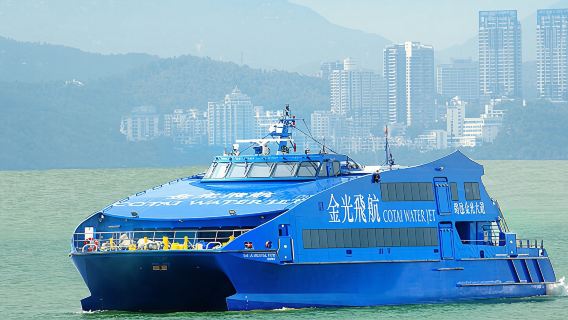
Star Ferry | Central Pier 7 | ~10–12 mins | After stepping off the ferry from Tsim Sha Tsui, take the elevated footbridge system through IFC directly to the market’s second floor. |
Central Market Floor-by-Floor Guide: My Favourite Spots
Central Market rises three stories, and the revitalization team has meticulously curated the tenant mix to match each floor’s unique spatial character. Get to know the highlights on every level to plan a more focused route for your visit.
Central Market Floor Layout at a Glance
- 2/F: Central Food Street, local creative brands, nostalgic souvenirs, 24-hour pedestrian footbridge
- 1/F: Themed Restaurants, Cultural Exhibitions & Galleries, Craft Workshops
- G/F: Food Court (Central Market Food Hall), Green Atrium (Oasis), Outdoor Leisure Area
Ground Floor (G/F): The Social Hub & Food Court
- Central Oasis: This open-air green atrium is the heart of the building. On any given weekday, you’ll find office workers from nearby towers having lunch here. On weekends, it often hosts live music, pop-up markets, and seasonal installations.
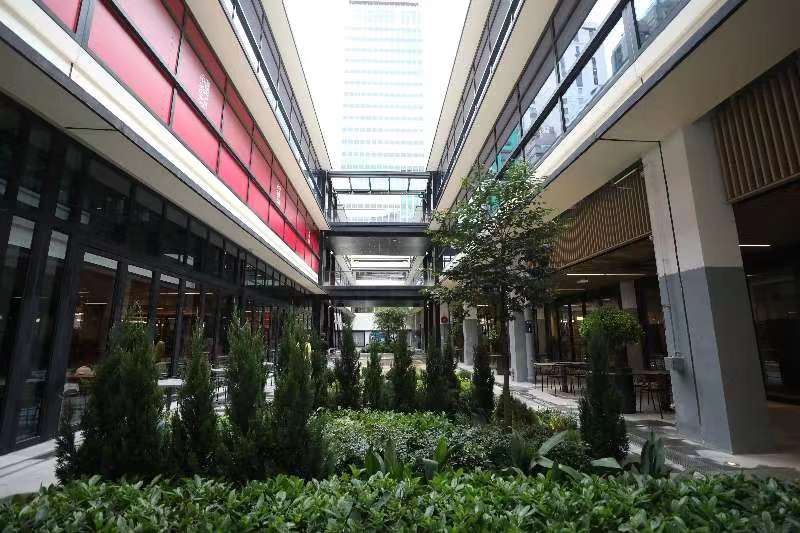
Photo credit: Wen Wei Po
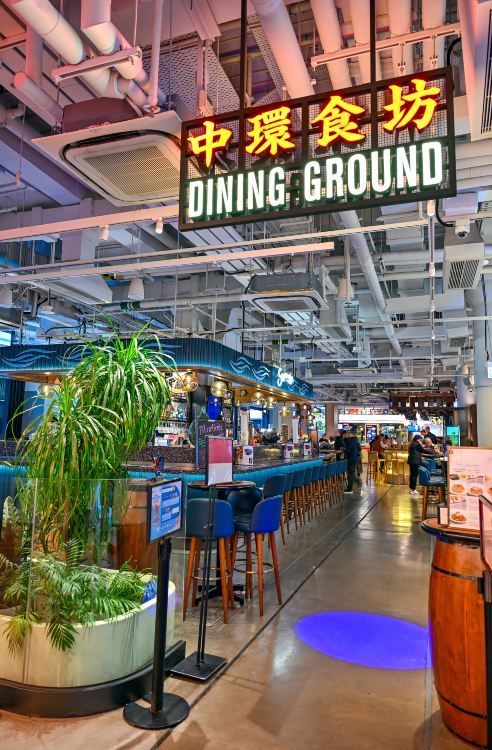
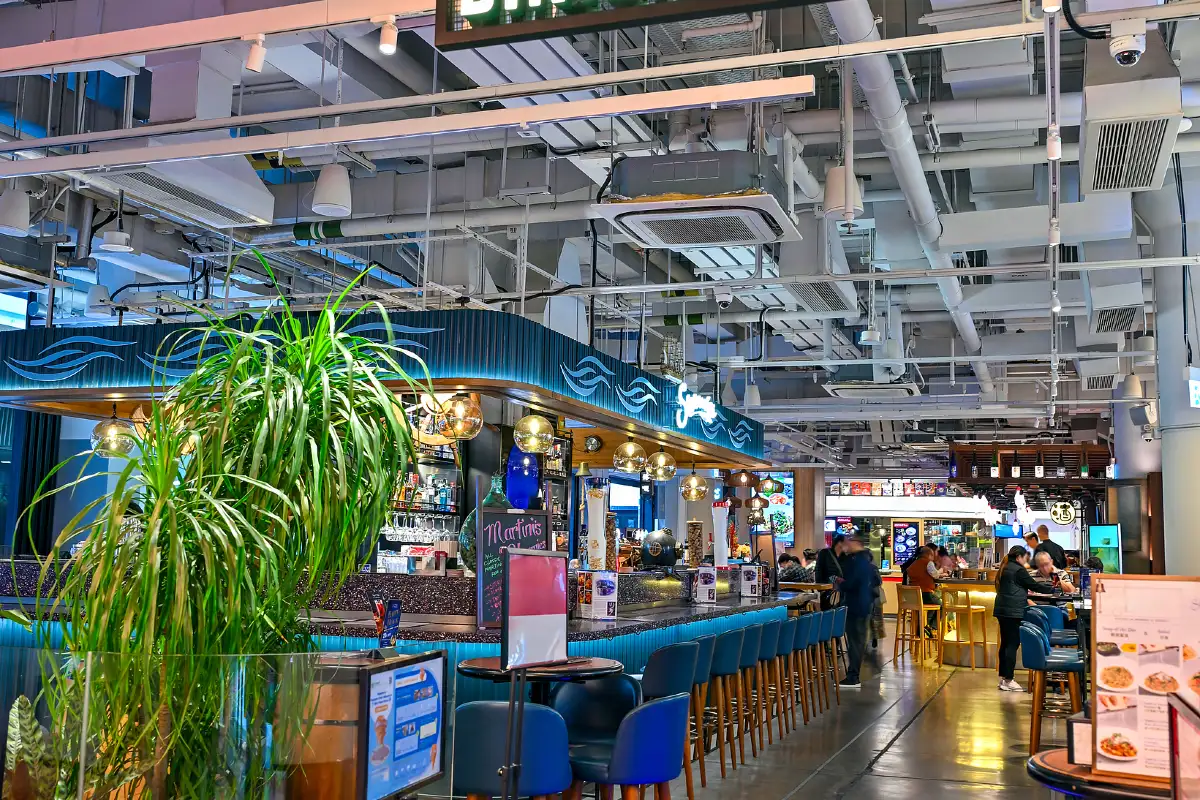
- Dining Ground: A casual food court setting. I highly recommend stopping by Mak's Brewery, a homegrown Hong Kong craft beer brand. They use local ingredients like sugarcane and dried longan to brew beers that have a distinctively local flavour profile.
First Floor (1/F): Creative Dining & Exhibitions
- The restaurants here are a bit more sit-down and relaxed. You’ll find everything from Thai dessert cafes to modern local bistros.
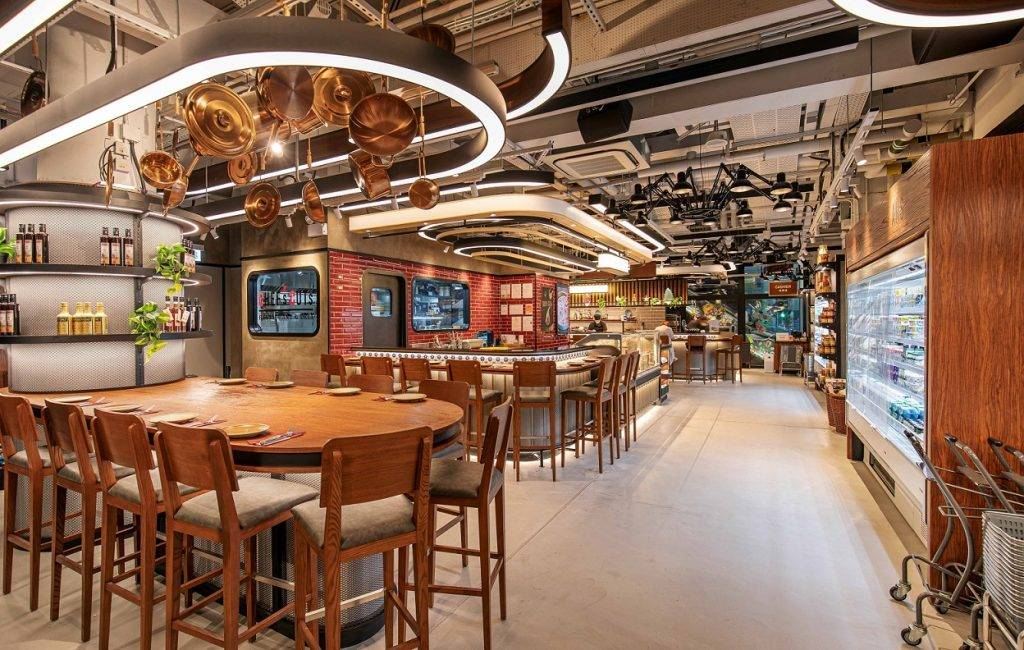
Image source: Weekend Weekly
- This floor has a more open, borderless design. It plays host to various rotating cultural exhibitions and green workshops.
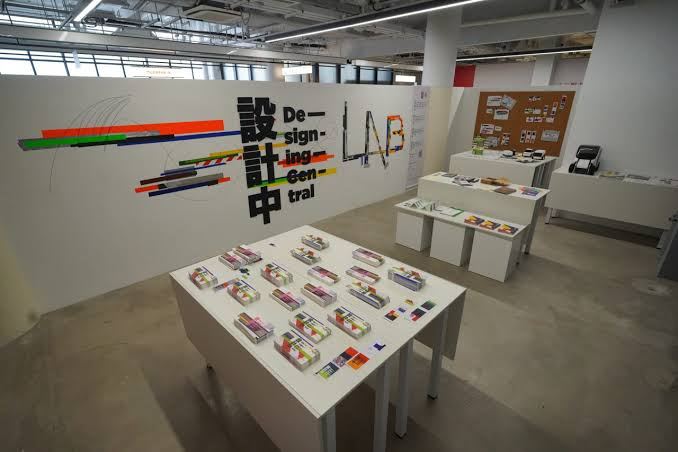
Image source: VOGUE Hong Kong
Second Floor (2/F): Local Design & Quick Bites
Because this floor connects straight to the Mid-Levels Escalator, it is always buzzing.
- Central Food Street: Perfect for grabbing a quick bite on the move. You can find local classics like Mammy Pancake (famous for their crispy, egg-rich bubble waffles—the matcha and chocolate versions are personal favourites).

- Local Retailers: This floor is dedicated to homegrown brands. It is a great place to pick up souvenirs that actually mean something, from eco-friendly lifestyle products to nostalgic local stationery.
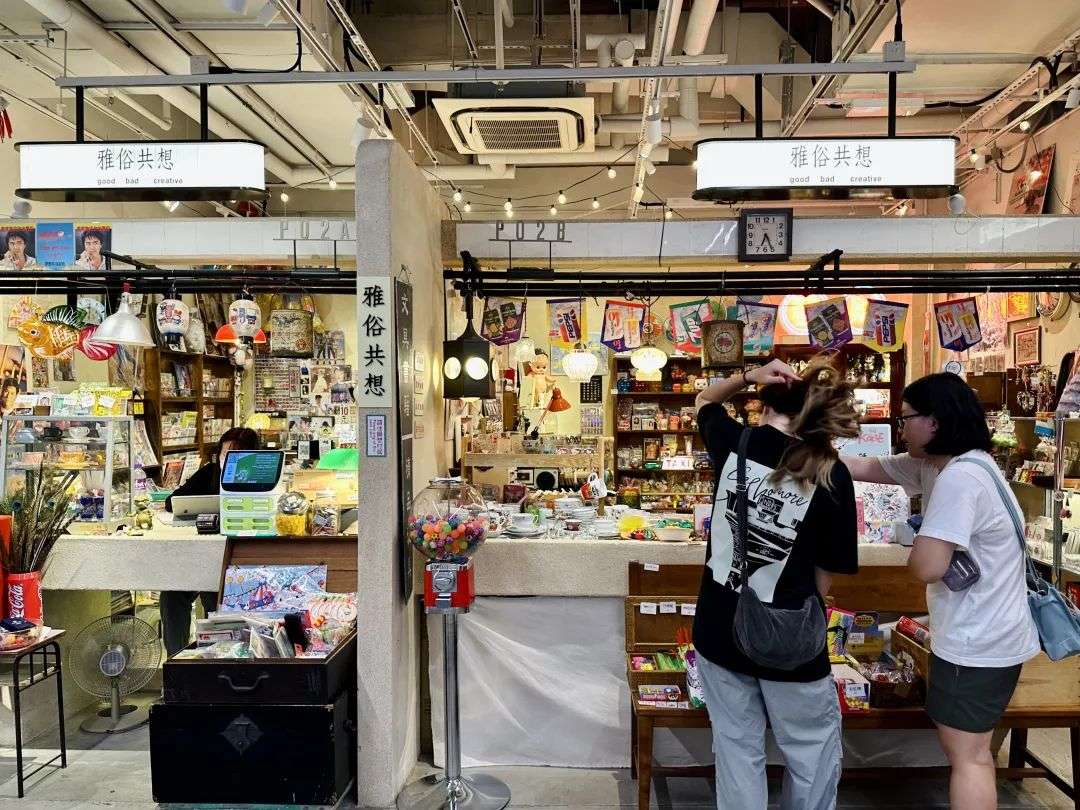
Souvenirs Worth Buying at Central Market
Instead of generic plastic trinkets, Central Market has some excellent local keepsakes:
- Ding Ding Tram Memorabilia: You can find vintage postcards, models, and tote bags themed around our iconic double-decker trams.
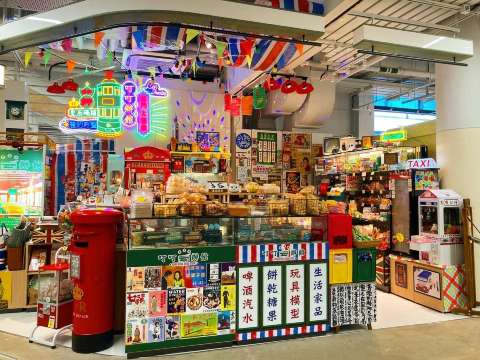
- Yan Chim Kee (甄沾記): A legendary local brand famous for its coconut candies and coconut-flavoured snacks. Their retro-packaged goods make for a sweet, nostalgic gift.
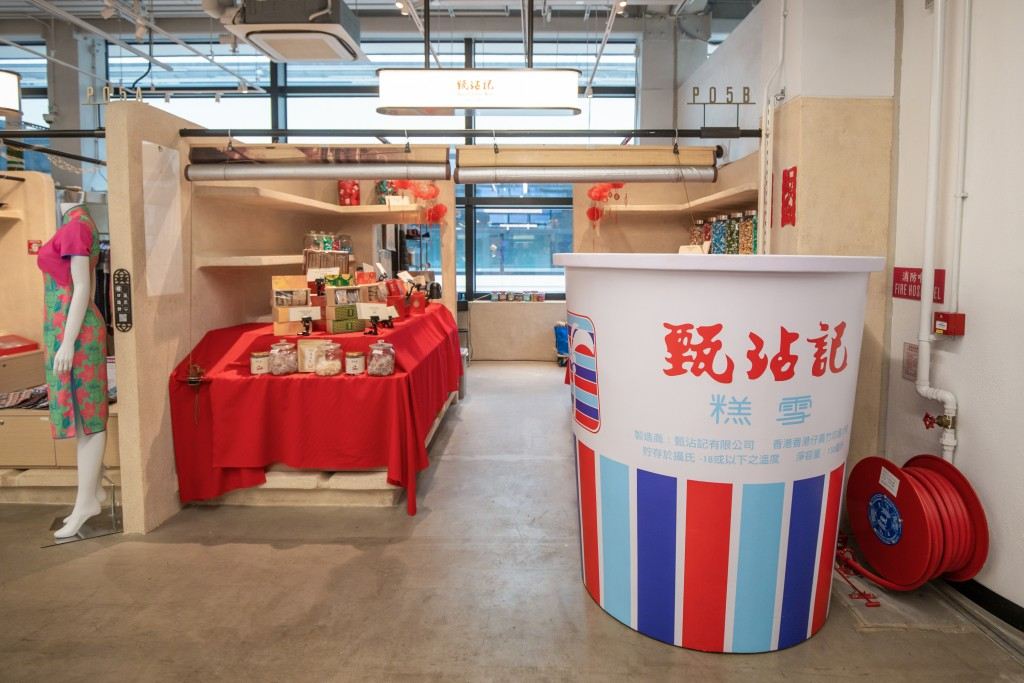
Image source: Sing Tao News
- Local Fragrances: Several small boutiques on the second floor sell locally blended perfumes and room sprays inspired by scents unique to Hong Kong, like white orchid or traditional herbal teas.
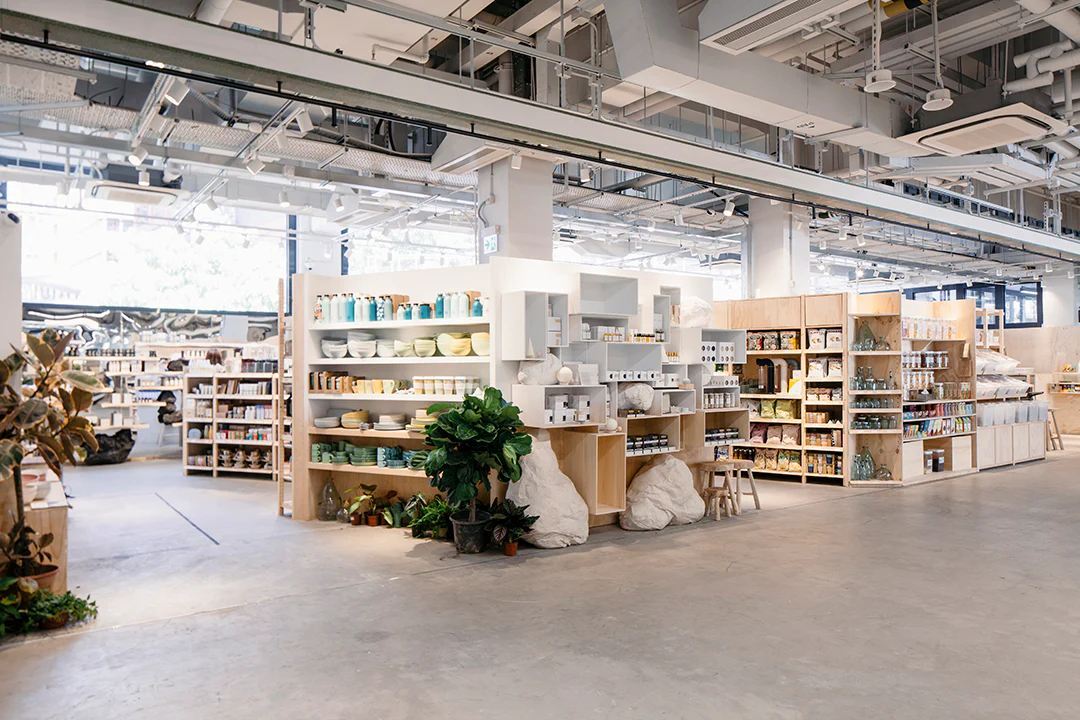
Image source: Slowood official website
A Perfect Half-Day Central Itinerary
If you want to make the most of your day on Hong Kong Island, here is an easy route I often recommend to friends, starting right from the market:
- 10:30 AM – 11:30 AM: Start your morning exploring Central Market. Grab a coffee on the ground floor, take some photos of the terrazzo staircase, and browse the second-floor design shops.
- 11:30 AM – 12:30 PM: Hop onto the Central–Mid-Levels Escalator (accessible directly from the 2nd floor) and ride it up through the historic streets, taking in the old shophouses and colourful street art.
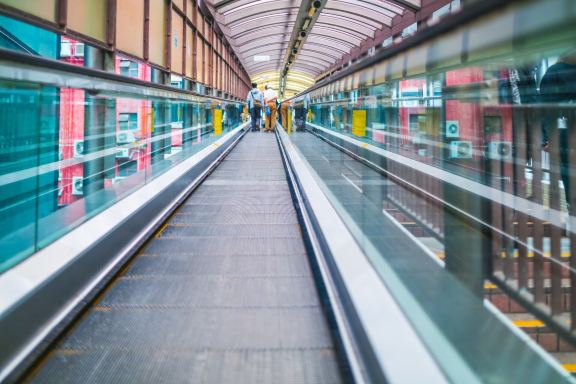
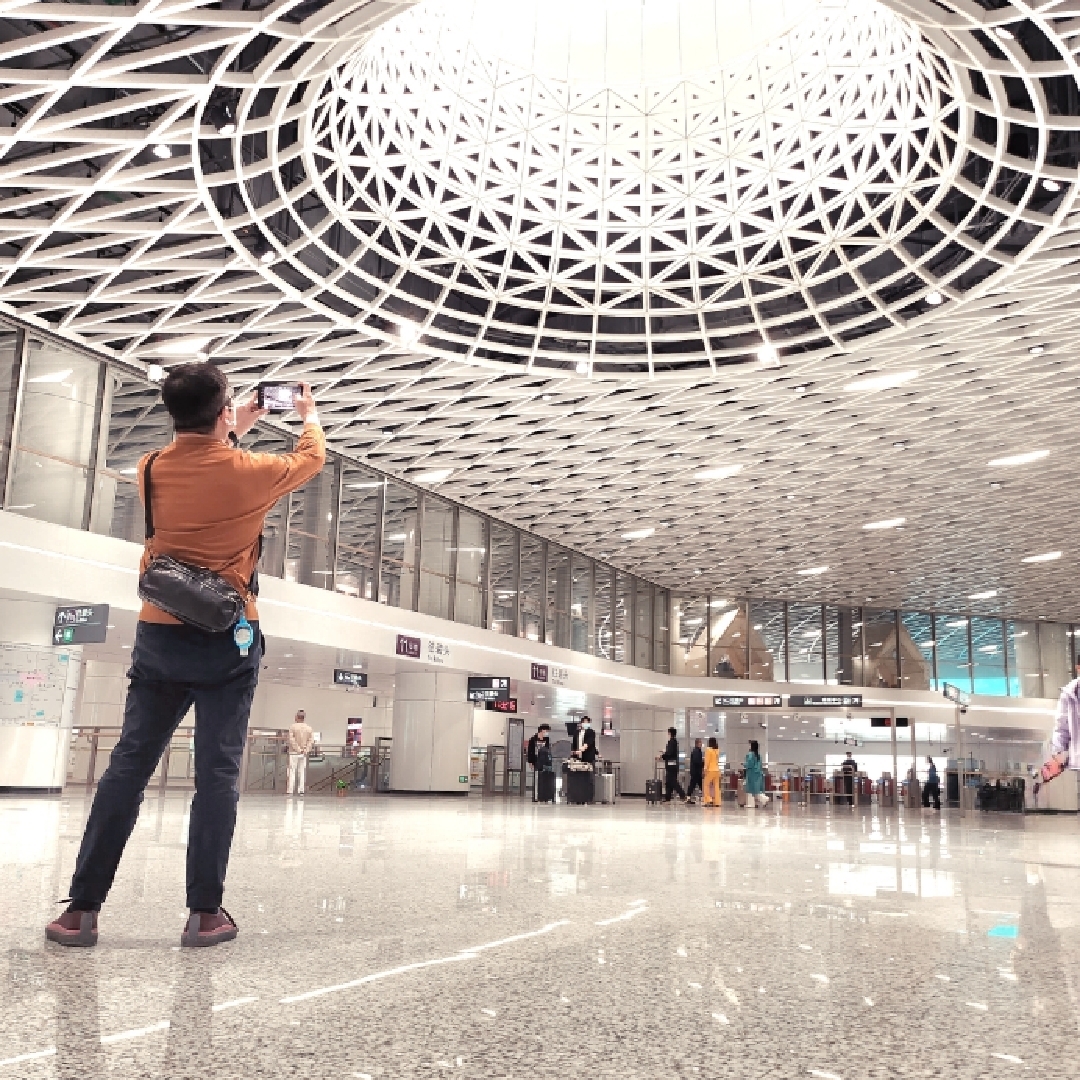 由港島中環至半山的扶手自動電梯連接皇后大道中與半山的干德道,於指定時間單向上行或下行,除了便利半山居民出行之外,也為遊客提供了一條集飲食歷史及文化的旅遊路線,沿途覆蓋了多個景點,包括活化了的中環街市、大館建築群、有多間餐廳酒吧的蘇豪區、孫中山歷蹟俓及摩囉廟等,供遊客及市民在這區探索。
- 12:30 PM – 2:30 PM: Step off near Hollywood Road and head to Tai Kwun. This former police station and prison compound has been beautifully preserved. Have lunch at one of the courtyard cafes, then wander through the free heritage exhibits.
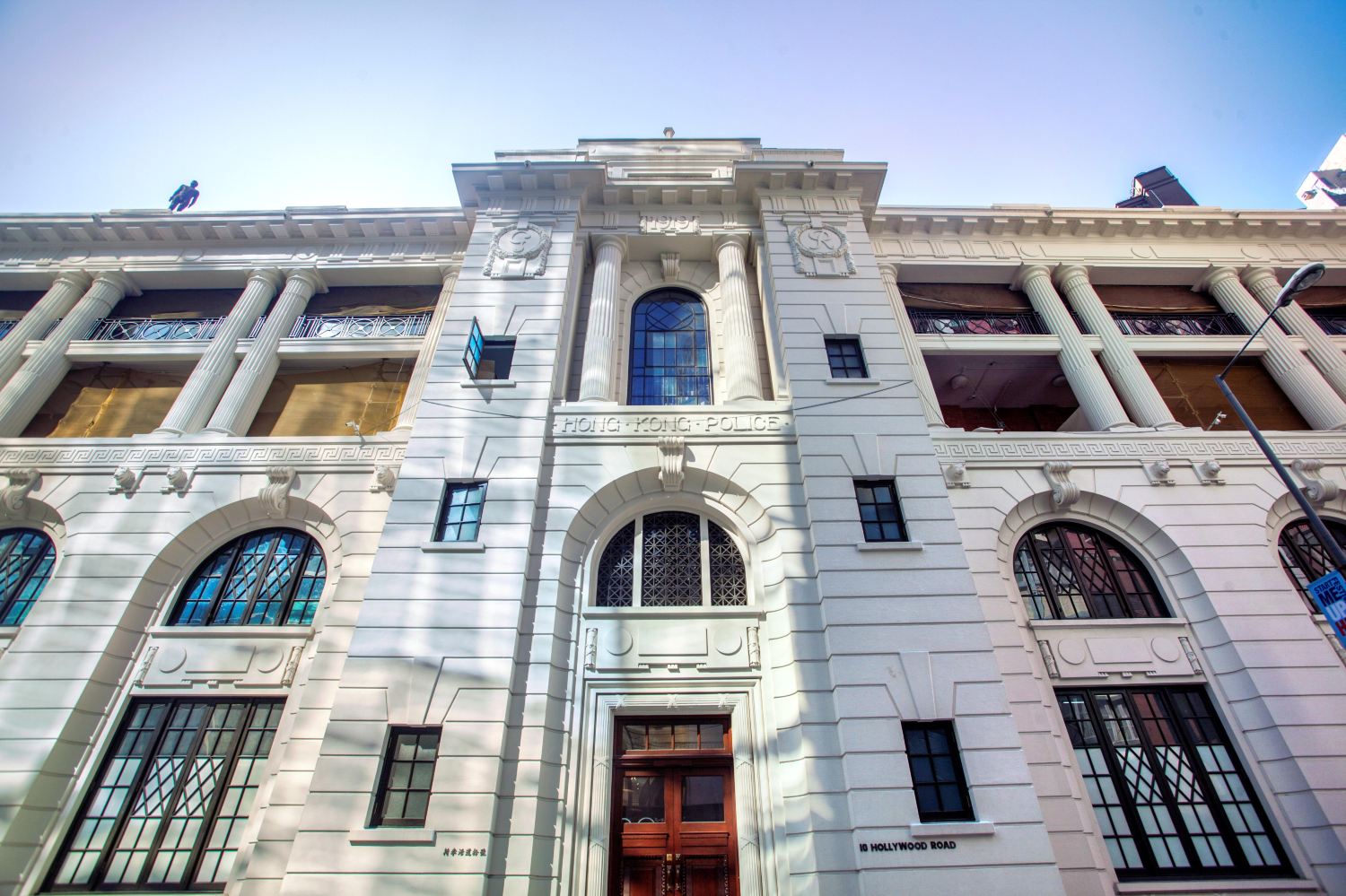
 100年前的香港警察總部 X 遇上六合彩50年紀念展👏
- 2:30 PM – 4:00 PM: Walk down Hollywood Road towards PMQ (former Police Married Quarters), which now houses design studios and artisanal boutiques. Along the way, keep an eye out for the famous Graham Street mural.
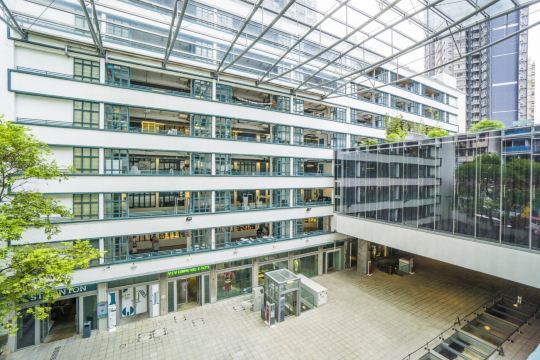 趁著聖誕假期,到中環閒逛, 相信PMQ元創方 必然不會錯過, 由於假期時段,很多遊客打卡影相, 尤其是荷里活道外牆。充滿特色,在樹藤下 外牆襯托下, 元創方充滿了殖民地情懷。 相信不論遊客或本地市民必會定期到此參觀。 元創方內充滿了文青本土設計師及藝術家的設計。 有時間可以品嚐一杯咖啡,細心留意原創坊內的每個細節。
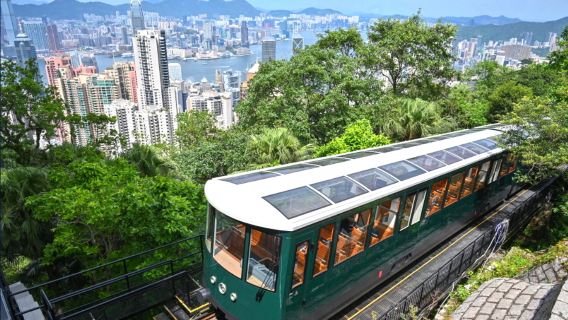
- Late Afternoon: From here, you can head back down towards the tram line, or make your way to the Peak Tram Lower Terminus for a ride up to Victoria Peak to catch the sunset.
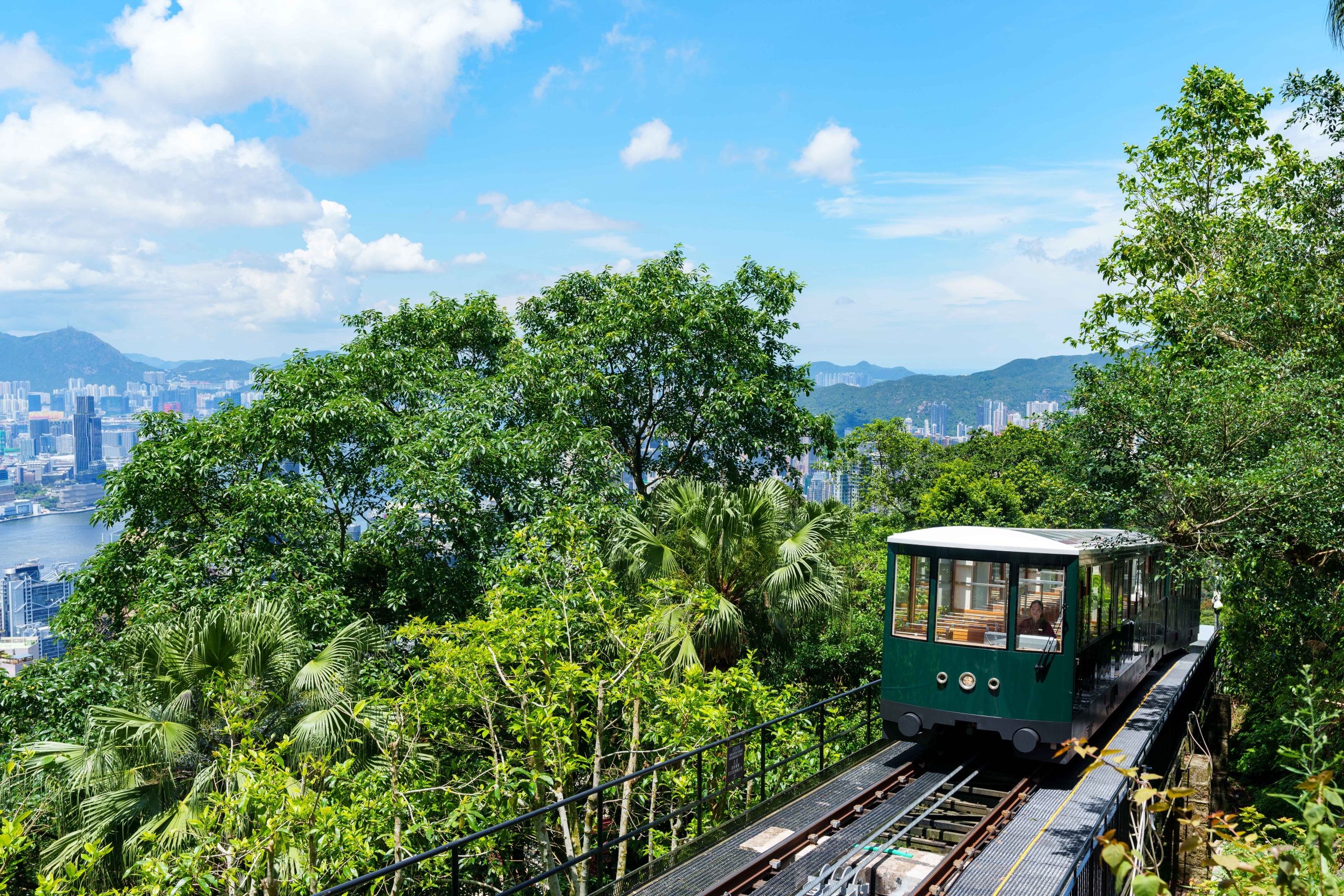
 夜景很美,值得至少去一次。
My Final Thoughts
Central Market isn't just about shopping or eating; it represents how Hong Kong handles heritage. Instead of tearing down the old to make way for the new, we've found a way to let them coexist. For me, walking through this space is a reminder of our city's resilience and adaptability. I hope you enjoy your time exploring its corners as much as I do.
More Great Places to Visit in Hong Kong
Central Market | Frequently Asked Questions (FAQ)
Q1: Is there an entrance fee for Central Market?
No, admission is entirely free. It functions as a public community space.
Q2: Which MTR station is best for getting there?
Both Central Station (Exit C) and Hong Kong Station (Exit C) are very close—less than a 5-minute walk. If you are carrying luggage or using a stroller, the footbridge from Hong Kong Station is flatter and fully air-conditioned.
Q3: Is the market pet-friendly?
Yes, Central Market is a pet-friendly venue. You will often see locals walking their dogs in the common areas and the outdoor atrium, though individual restaurants may have their own pet policies.
Q4: How much time should I spend here?
If you just want to see the architecture and take some photos, 45 minutes is plenty. If you plan to have a meal, grab a craft beer, and browse the local shops, I would recommend setting aside 1.5 to 2 hours.