China High-Speed Rail Guide 2026: Booking, Tickets & Travel Tips

作者個人相片
China high-speed rail

If you’re traveling between cities in mainland China, fast intercity and high-speed trains are excellent choices. Today’s high-speed trains zip along at incredible speeds, boast outstanding on-time performance, and offer clean, comfortable cars—making high-speed rail immensely popular across mainland China, with more and more travelers choosing to ride.

Trip.com is here to guide you through everything you need to know about high-speed rail, including train types, operating speeds, booking tickets, and travel tips. Read on!
Trip.com 內地高鐵優惠券:立即享有 3% 折扣!

🔥 新用戶透過 Trip.com 訂購內地火車票、高鐵票可享 3% 優惠!🔥

🚆 Trip.com 中港鐵路快閃激賞 💥

Trip.com 獨家優惠券組合解鎖旅行着數,高鐵快閃券包 HK$29.9 買 HK$65 優惠券,訂票即慳🚄💸

What is China High-speed Rail?

Mainland China High-Speed Rail

China’s High-Speed Rail (China Railway Highspeed), often referred to as China High-Speed Rail or simply high-speed rail, is the network of high-speed lines built and operating across the country—an essential pillar of modern transportation in China.

As of 2019, out of the nation’s 34 provincial-level administrative regions, all had high-speed rail service except Tibet and Macau. By the end of 2023, the mainland’s high-speed rail route network had an operating length of 159,000 kilometers, with 45,000 kilometers of that being high-speed rail—the longest high-speed network in the world.

Hundreds of train stations serve as termini and stops for the thousands of high-speed routes that crisscross China, making it remarkably easy to explore far and wide.

Additionally, China’s high-speed rail aims to expand its total length to 70,000 kilometers by 2035, reaching more than 90% of the population.

Hexie Train Guide for Travelers 2026: Routes, Tickets & Schedule
Discover the ultimate Hexie train guide for Hong Kong travelers. Check schedules, routes, and ticket prices to the Mainland. Book your Hexie train tickets on Trip.com today!
2026年3月9日
China Bullet Train First Class Guide 2026: Is It Worth the Upgrade?
Read our 2026 guide to China bullet train first class. Check the seat map, see ticket prices, and compare amenities. Book your trip from Hong Kong with Trip.com for a smooth ride!
2026年3月9日
China Bullet Train Second Class Guide 2026: Hong Kong to Mainland Travel Tips
Planning a trip to the Mainland? Discover everything about China bullet train second class in 2026. From new "Quiet Carriages" and seat maps to ordering food directly to your seat. Save time and travel smarter—book your tickets on Trip.com today!
2026年3月9日
China Bullet Train Seats Guide 2026: Maps, Classes & Booking
Confused by China bullet train seats? Discover the differences between Business, First, and Second Class with our detailed seat maps. Learn how to pick the perfect spot and book your high-speed rail tickets securely on Trip.com today for a seamless journey!
2026年3月9日
Fuxing Train Guide for Travelers 2026: Speed, Routes & Tickets
Explore China via the Fuxing train from Hong Kong! Experience the ultimate comfort and speed of the Fuxing bullet train with Trip.com today!
2026年3月9日
China Bullet Train Business Class Guide 2026: Price, Seats & Booking
Discover the ultimate luxury on rails with our 2026 guide to China bullet train business class. From lie-flat seats and VIP lounges to the HK-Beijing route, learn why High-Speed Rail beats flying. Book your premium seat on Trip.com today.
2026年3月9日

The Difference Between High-Speed Rail and EMU Trains

In China’s rail system, both high-speed rail (high-speed trains) and EMU trains (electric multiple units with distributed power) are common, and there are a few key differences between them:
  • Speed: High-speed rail typically refers to trains designed for speeds above 200 km/h, while EMU (electric multiple-unit) services can range from 160 km/h to 300 km/h. Overall, high-speed rail is generally faster.
  • Tracks: High-speed rail runs on dedicated lines engineered for fast trains, with stricter limits on curves and grades, while EMU trains can operate on both high-speed and conventional rail lines.
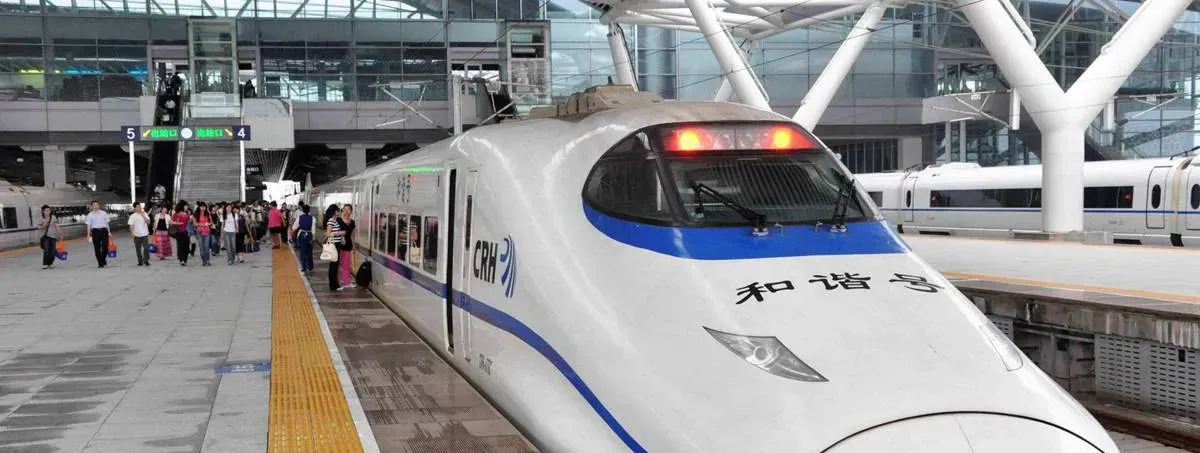
  • Train types: High-speed rail usually refers to trains formed by high-speed electric multiple units (EMUs), such as the CRH series, whereas EMUs as a category can include many different models—some of them running at lower speeds on intercity or regional routes.
  • Service scope: High-speed rail is typically used to connect major cities over long distances, while EMU trains are more commonly used for medium-distance intercity travel.
  • Comfort: High-speed trains usually offer a higher level of comfort and service, with roomier seats and better onboard amenities.
  • Cost: Because building and operating high-speed rail is more expensive, high-speed rail tickets are usually pricier than those for dongche (D-series) trains.
  • Technology: High-speed trains use advanced aerodynamic designs to reduce drag and boost energy efficiency, while electric multiple units (EMUs) may employ a variety of different technologies.
  • Service frequency: On some busy routes, high-speed trains may run more often, giving you more departure times to choose from.

All in all, high-speed trains and EMU services each play their part in China’s rail network, and travelers can choose the train type that best fits their travel needs, schedule, and budget.
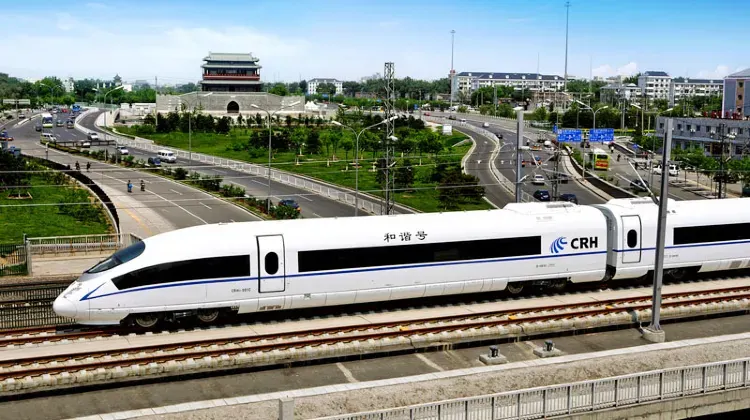
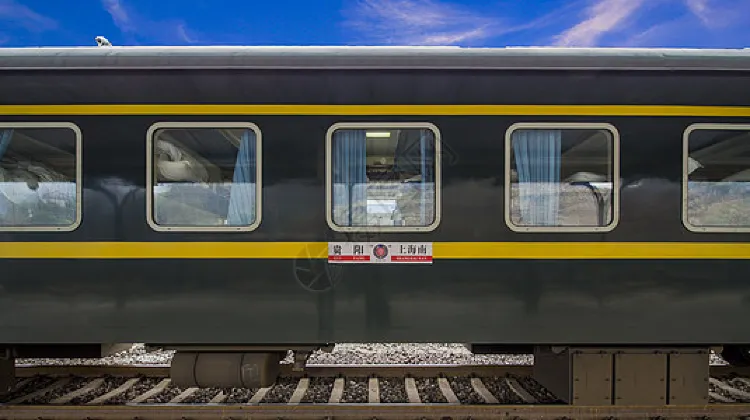
What do the Letters Before a Train Number Mean?

In mainland China, train types are identified by letters. G, D, and C indicate high-speed trains, while Z, T, and K are slower or overnight services. High-speed trains offer multiple seat classes and are very comfortable, though they’re generally more expensive than overnight trains.
Types of High-Speed Trains in Mainland China

High-Speed Rail Category

  • G-series trains—China’s sleek bullet trains—are the fastest on the rails, reaching speeds of up to 400 km/h (about 249 mph). Tickets for this category are the most expensive.
  • D-series trains (bullet trains, EMUs) are the second-fastest in China, reaching top speeds of up to 250 kilometers per hour. They stop only at major cities, and some services don’t make any intermediate stops at all.
  • C-prefixed intercity trains specifically refer to high-speed electric multiple units (EMUs). They primarily serve short routes, such as the Beijing–Tianjin line—a 120-kilometer journey that takes about 30 minutes.

Conventional Train Types

Types of Trains in Mainland China

Because regular trains run more slowly and make more stops, they offer options like sleeper berths as well as soft and hard seats. Soft- or hard-seat tickets are cheaper, but they’re not ideal if you’re traveling overnight. The following trains offer sleeper berths and both soft and hard seats:

  • Z-series trains (Direct Express, non-stop) run between all major cities nationwide, stopping at the main train stations. Since these trains are usually overnight services, you’ll find both hard sleeper and soft sleeper classes on board, and most also offer deluxe soft sleeper cabins.
  • T-prefix trains (Express) run at slower speeds but cover longer routes. This category serves all major cities across the country and makes stops at large towns along the way. When booking, you can choose hard or soft sleepers, as well as hard or soft seats.
  • K-prefix trains (fast trains) are the slowest and oldest domestic services, and they stop at the most stations. On board, you’ll find both hard-sleeper and soft-sleeper options.

How Fast Are China High-speed Trains?

Since China’s high-speed rail debuted, it’s been synonymous with speed, consistently ranking among the fastest in the world. On the Hong Kong section, trains run at up to 200 km/h (about 124 mph), making it the fastest cross-border land transport in the city. Once you enter the Mainland China section, speeds can soar to 350 km/h (about 217 mph).

China has also been working to push the limits of high-speed rail. The “CR450 Science and Technology Innovation Project,” a major research initiative under the national “14th Five-Year Plan,” includes multiple HSR technology breakthroughs, such as developing new Fuxing EMU trainsets. For now, the fastest service on the mainland is the Beijing–Shanghai High-Speed Railway, which runs from Beijing South Station to Shanghai Hongqiao Station, spans 1,318 kilometers, and has a design speed of 350 km/h.

Fuxing high-speed trains come in three classes—CR400, CR300, and CR200—where the number indicates the maximum speed. Their continuous operating speeds are 350, 250, and 160 km/h, respectively, tailored to high-speed rail (HSR), express rail, and intercity rail services. The fastest route on the Chinese mainland today is the Beijing–Shanghai High-Speed Railway, stretching 1,318 kilometers from Beijing South to Shanghai Hongqiao. Designed for 350 km/h service, it’s also the world’s fastest high-speed rail line in commercial operation.

China’s Fuxing CR400AF and CR400BF high-speed trains currently maintain a maximum operating speed of 350 km/h. The next-generation CR450 is designed for a top stable speed of 450 km/h, with a sustained operating speed of 400 km/h. China State Railway Group also noted that it will continue to advance the CR450 innovation program this year, completing the latest EMU prototype and conducting type tests, with service entry expected by 2025. At up to 450 km/h, the CR450 could whisk travelers from Beijing to Shanghai in just 2.5 hours—down from the current fastest time of a little over four hours.

High-Speed Rail Travel Time

To highlight just how fast China’s high-speed rail really is, Trip.com has compiled travel times for routes departing from Hong Kong West Kowloon Station—so you can get a clear feel for “China speed”!

Hong Kong High-Speed Rail Travel Times (Fastest)

Hong Kong ↔ Shenzhen (Futian)

About 14 minutes

Hong Kong ↔ Shenzhen North

About 18 minutes

Hong Kong ↔ Guangzhou South

About 47 minutes

Hong Kong ↔ Guangzhou East

About 1 hour 42 minutes

Hong Kong ↔ Dongguan

About 1 hour 7 minutes

Hong Kong ↔ Guilin West

About 3 hours and 20 minutes

Hong Kong ↔ Wuhan

About 4 hours and 30 minutes

Hong Kong ↔ Shanghai

About 7 hours and 45 minutes

Hong Kong ↔ Beijing West

About 8 hours and 45 minutes

Hong Kong ↔ Tianjin West

About 10 hours

Top High-Speed Rail Routes We Recommend
2026去深圳高鐵路線遊,附深圳高鐵優惠/旅遊景點/酒店/美食攻略
【深圳北站高鐵沿線小旅行】從香港西九龍站乘坐高鐵,無需轉車即可直達58個中國內地城市,實在便利。中國的每個城市都有其獨特的風情,若是想要規劃兩至三日或即日往返的中國短線行程,不妨考慮前往珠三角經濟區的重要城市,粵港澳大灣區的核心城市之一的深圳。從香港乘坐高鐵至深圳北站,車程僅需14分鐘,不僅可以體驗高鐵的迅速,深圳北站周邊也有許多特色景點和酒店,出發前不妨參考以下的旅行攻略來規劃行程。
2026年3月31日
2026去汕頭高鐵路線遊,附汕頭高鐵優惠/旅遊景點/酒店/美食攻略
【香港至汕頭高鐵沿線小旅行】從香港西九龍站乘坐高鐵,無需轉車即可直達多個中國內地城市,極其便捷。中國的每個城市都有其獨特的風情,如果正在考慮兩至三日或即日往返的中國短線行程,不妨考慮前往擁有豐富海洋文化和美食的汕頭。從香港乘坐高鐵至汕頭,不僅可以體驗高鐵的快速,汕頭站周邊也有許多特色景點和酒店,出發前一定要參考以下的旅行攻略來規劃行程。
2026年3月31日
2026去東莞高鐵路線遊,附東莞高鐵優惠/旅遊景點/酒店/美食攻略
【東莞站高鐵沿線小旅行】從香港西九龍站乘坐高鐵,無需轉車,直達中國內地的58個城市,實在是便捷無比。中國的每個城市都有其獨特的風情,如果有意規劃兩至三日或即日往返的中國短線行程,那麼,位於粵港澳大灣區的東莞,這個充滿現代化氣息與傳統文化並存的城市,絕對值得一遊。從香港乘坐高鐵至東莞站,不僅可以體驗高鐵的迅速,東莞站周邊也有許多特色景點和酒店等待探索。在出發前,不妨參考以下的旅行攻略,為行程做好充分的規劃。
2026年3月31日
【廣州南站】香港高鐵直達廣州南站,一文睇清廣州南站周邊景點、酒店及高鐵優惠全攻略
由香港乘坐高鐵至廣州南站,車程只需46分鐘,除了可以感受高鐵的速度外,廣州南站周邊亦設有不同的特色景點和酒店,出發前必睇以下攻略計劃行程!
2026年3月29日
2026去廈門高鐵路線遊,附廈門高鐵優惠/旅遊景點/酒店/美食攻略
【香港至廈門高鐵沿線小旅行】從香港西九龍站乘坐高鐵,無需轉車即可直達58個中國內地城市,實在便利。中國的每個城市都有其獨特的風情,若是想要規劃兩至三日或即日往返的中國短線行程,不妨考慮前往閩南文化的名城,閩南地區的重要城市之一的廈門。從香港乘坐高鐵至廈門北站,不僅可以體驗高鐵的速度,廈門北站周邊也有許多特色景點和酒店,出發前一定要看以下的攻略來規劃行程。
2026年3月31日
2026去惠陽高鐵路線遊,附惠陽高鐵優惠/旅遊景點/酒店/美食攻略
【香港至惠陽區高鐵沿線小旅行】從香港西九龍站出發,乘坐高鐵直達中國內地的惠陽區,無需轉車,便利性十足。中國的每個角落都有其獨特的風情,對於想要規劃兩至三日或即日往返的中國短線行程的旅客,推薦前往擁有豐富歷史文化的惠陽區。從香港乘坐高鐵至惠陽區,不僅可以體驗高鐵的迅速,惠陽區周邊也有許多特色景點和酒店等待探索。在出發前,不妨參考以下的旅行攻略,為行程做好充分的規劃。
2026年3月31日

How to Take the High-Speed Rail from Hong Kong West Kowloon Station

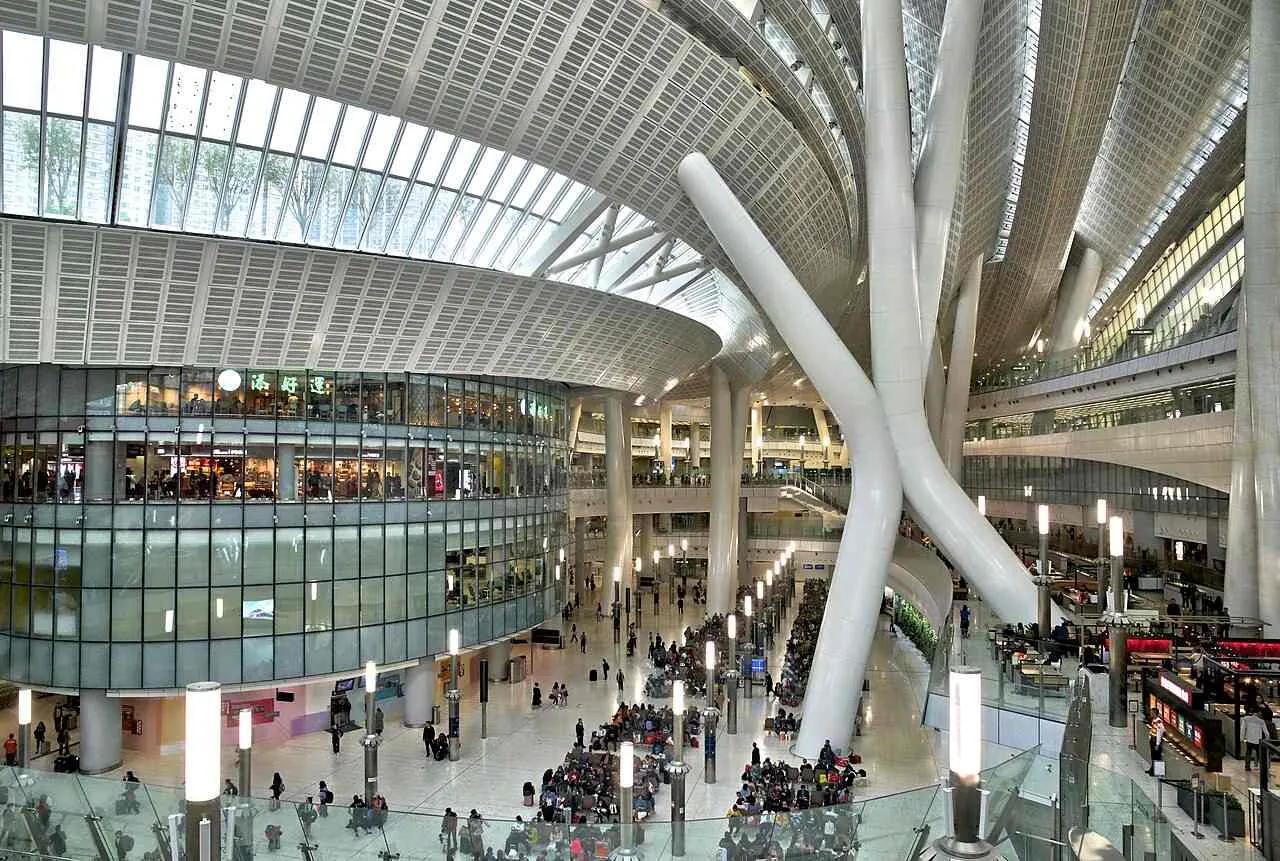
To make it easier for travelers using Hong Kong West Kowloon Station to connect with China’s vast high-speed rail network, the station operates under a co-location immigration and customs arrangement. It also adopts a same-floor clearance setup, so both departing and arriving passengers can complete all exit and entry procedures on a single level—especially convenient if you’re traveling with large or heavy luggage.
Hong Kong West Kowloon Station

Source: Wikipedia

Ride the high-speed rail from Hong Kong to mainland China

  • Purchase tickets and enter through the gates on Level B1.
  • Proceed to Level B3 to complete Hong Kong departure procedures and exit the Hong Kong checkpoint.
  • Proceed to the Mainland Port Area on this level to complete Mainland China immigration procedures.
  • After completing the procedures, you can relax in the waiting lounge; once the train arrives, head to Level B4 to board.

Heading back to Hong Kong by high-speed train from mainland China

  • Once your train arrives at West Kowloon Terminus, get off at the B4-level platform.
  • Make your way to Level B2 to complete Mainland China exit formalities and leave the Mainland Port Area.
  • Next, make your way into the Hong Kong Port Area on the same floor to clear immigration.

High-speed Train Sleeper Berth

China’s D-series high-speed trains offer dedicated sleeper carriages. Sleeper high-speed services generally run overnight: most depart around 8:00 p.m. and are scheduled to arrive between 7:00 and 8:00 a.m., with total journey times of about 11 to 12 hours. These trains are typically offered on overnight and long-distance routes connecting major cities such as Beijing, Shanghai, Guangzhou, Shenzhen, and Chengdu.
High-Speed Sleeper Amenities

Key Features of High-Speed Train Sleepers

Generally, a sleeper high-speed train set includes 1 deluxe soft-sleeper car, 12 soft-sleeper cars, 2 second-class seat cars, and 1 dining car. The soft-sleeper coaches accommodate 496 passengers, and the second-class seat coaches seat 122.

The train can also cater to traveler preferences with distinctive local dishes, focusing on Sichuan cuisine, and you may have the chance to sample specialties from places like Hubei, Nanjing, and Shanghai.

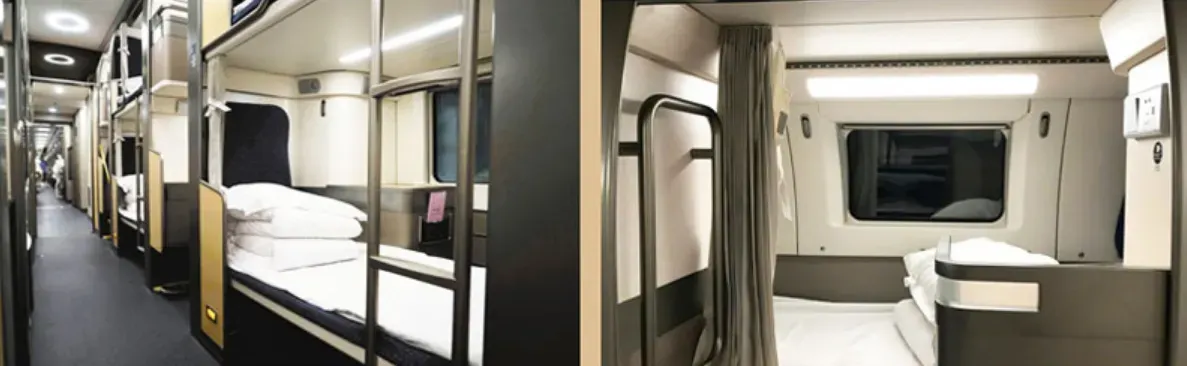
Sleeper carriages are arranged into private 2-berth or 4-berth cabins. Each cabin’s TV and air-conditioning can be adjusted to your liking, and there’s even a sofa that makes it easy for business travelers to chat or hold a quick meeting.
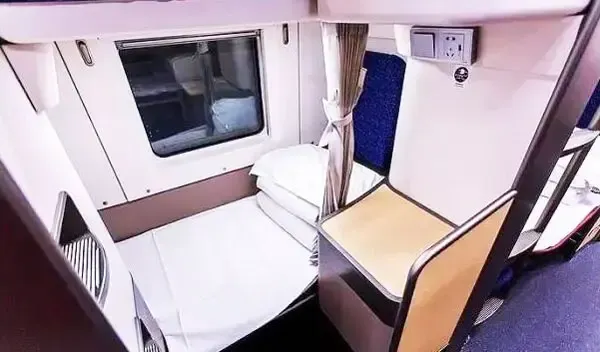
1."The Most Luxurious Sleeper Car"

Amenities on high-speed sleeper trains

“This is currently the most high-end sleeper carriage in the country,” a representative explained. All berths are arranged as upper and lower bunks. A standard soft-sleeper compartment has four berths, and the bunks are 10 centimeters (about 4 inches) wider than those in a typical hard-sleeper. The deluxe soft-sleeper compartment has just two berths and also features a sofa, a wardrobe, and other amenities—very convenient and practical.

2. Every berth comes with its own TV and air conditioning

In the sleeper car, each berth has its own TV and personal headphones, with channels you can choose freely—so you can kick back and watch from bed without disturbing anyone. The onboard entertainment system is built to airline standards and offers four channels of programming, including looping movies and music.

Each compartment also has individually controlled air-conditioning, letting you set the room temperature just the way you like it, and the door is motion-sensing for easy, hands‑free entry and exit—super convenient.

3. Dining Cars Offering Regional Specialties

The sleeper train features a dining car located in the middle of the train, seating more than 50 guests at a time. It’s outfitted with microwaves, induction cooktops, refrigerators, and more, and the kitchen’s all-stainless-steel equipment can whip up delicious Chinese and Western dishes.

The train can also tailor offerings to travelers’ tastes with distinctive local specialties, focusing on Sichuan cuisine and including regional flavors from Hubei, Nanjing, Shanghai, and beyond. In addition to food, there’s a full range of beverages, served morning, noon, and night—and if you get hungry late at night, you can enjoy a late-night snack, too.

4. Runs so quietly it feels just like staying in a hotel

From what we’ve learned, high-speed sleeper trains run mostly at night, so getting quality shut-eye on board really matters. Even at high speeds, the ride is impressively smooth, with barely any vibration, and cabin noise is kept under 60 decibels—about 10 decibels quieter than a standard sleeper. The result is a wonderfully peaceful compartment that feels as quiet and comfortable as a hotel room!

Frequently Asked Questions (FAQs)

  • Can I bring pets on China High Speed Rail (HSR)?

    Generally, pets are not allowed on China High Speed Rail, with the exception of guide dogs for the visually impaired. However, please stay tuned for potential policy updates as there have been recent discussions regarding future changes.
  • How early should I arrive at the station before departure?

    It is recommended to arrive at the station 30 to 45 minutes before your scheduled departure. High-speed rail stations are typically large and experience high passenger volume, so extra time is needed for security checks and boarding.
  • Do Hong Kong residents need to collect physical tickets?

    No, physical tickets are not required at stations that support e-tickets. Hong Kong travellers can board the train directly by swiping a valid ID, such as the Home Return Permit (Mainland Travel Permit for Hong Kong and Macao Residents) or the Mainland Residence Permit.
免責聲明:文章來自於國際博客平台,版權歸原作者所有,如有侵犯您的原創版權請告知,我們將盡快刪除相關內容。
>>
china high speed rail
aaaa