Trip.com 內地高鐵優惠券:立即享有 5% 折扣!
🔥 新用戶透過 Trip.com 訂購內地火車票、高鐵票可享 5% 優惠!🔥

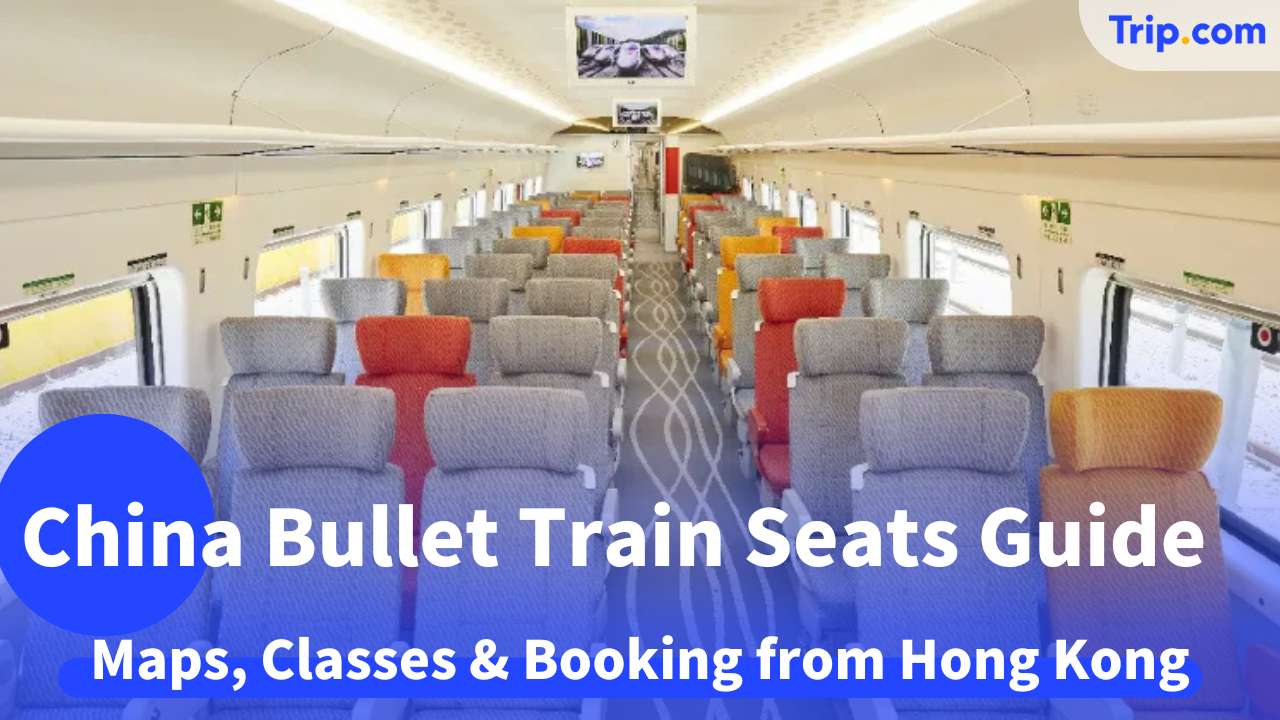
For travellers based in Hong Kong, the High-Speed Rail (HSR) has revolutionised travel to the mainland. Whether you are popping across the border to Shenzhen for a day trip or embarking on a long-haul journey to Shanghai or Beijing, understanding the nuances of China bullet train seats is essential for a comfortable journey.
Navigating the booking options can be confusing, with various classes and configurations available. Trip.com breaks down everything you need to know about China bullet train seats, from seat maps and layouts to the booking process specifically for Hong Kong residents starting their journey at West Kowloon Station.
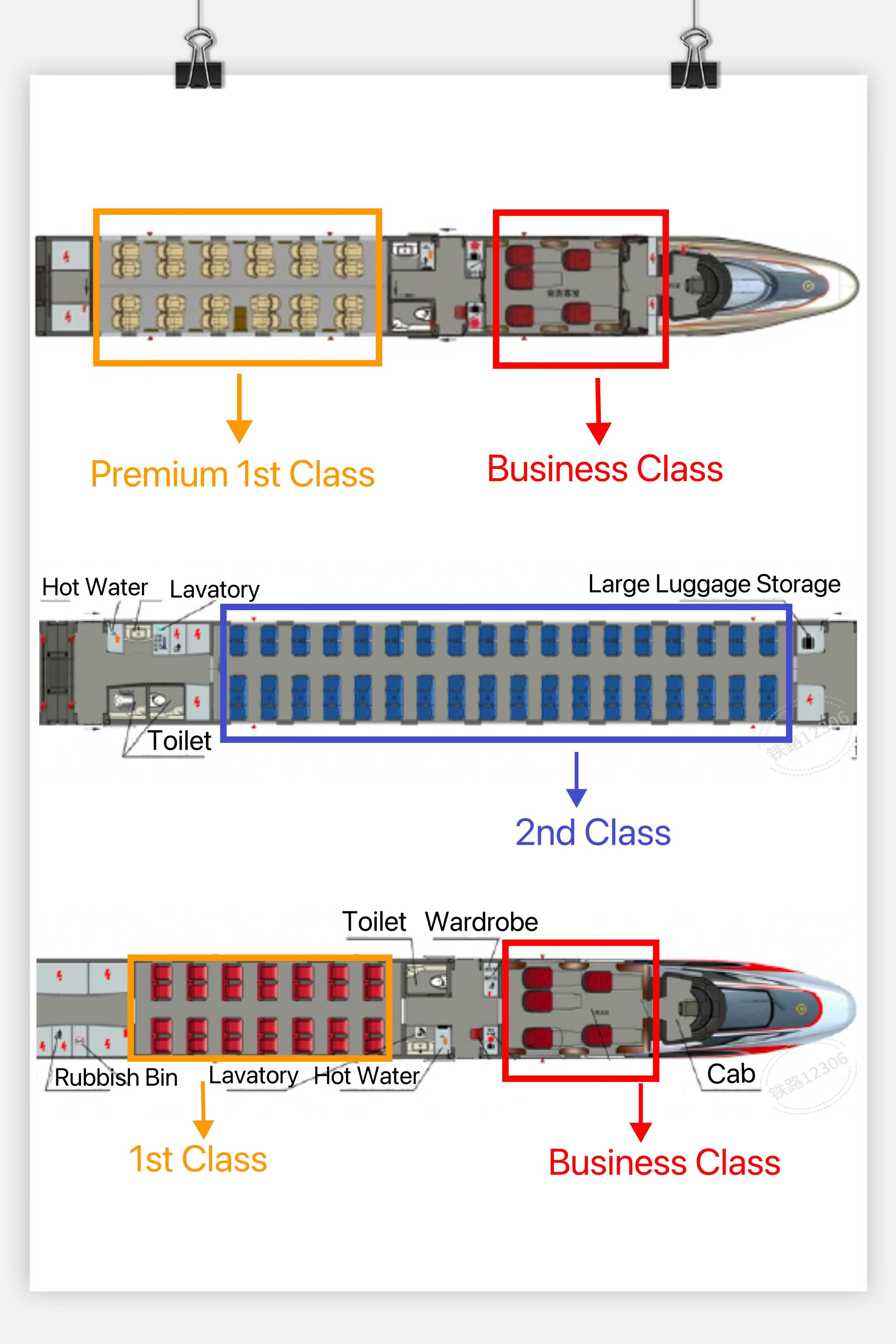
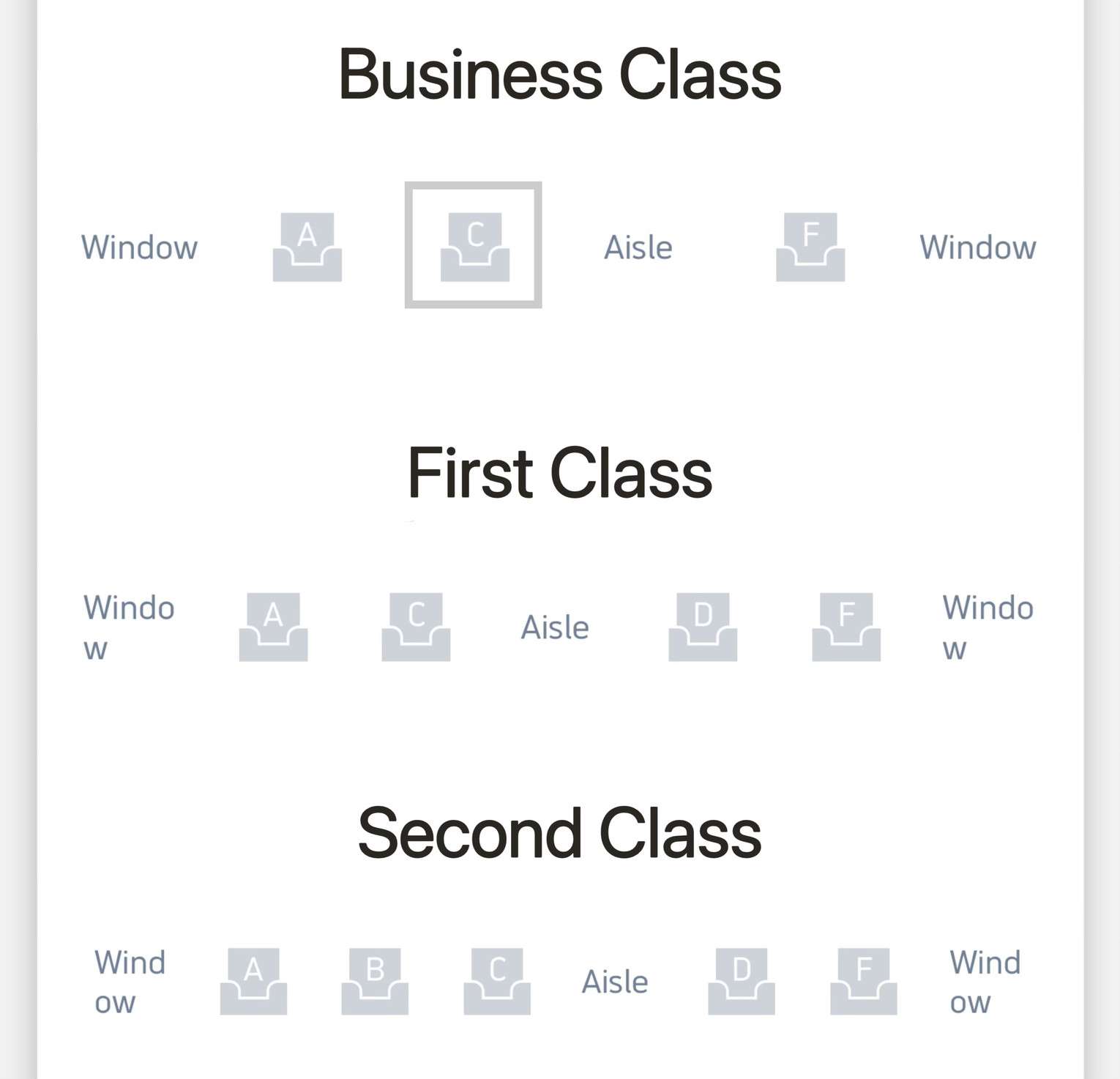
China High-speed train seat maps follow their class layouts:
Seat maps for China’s regular trains focus on sleeper berths:
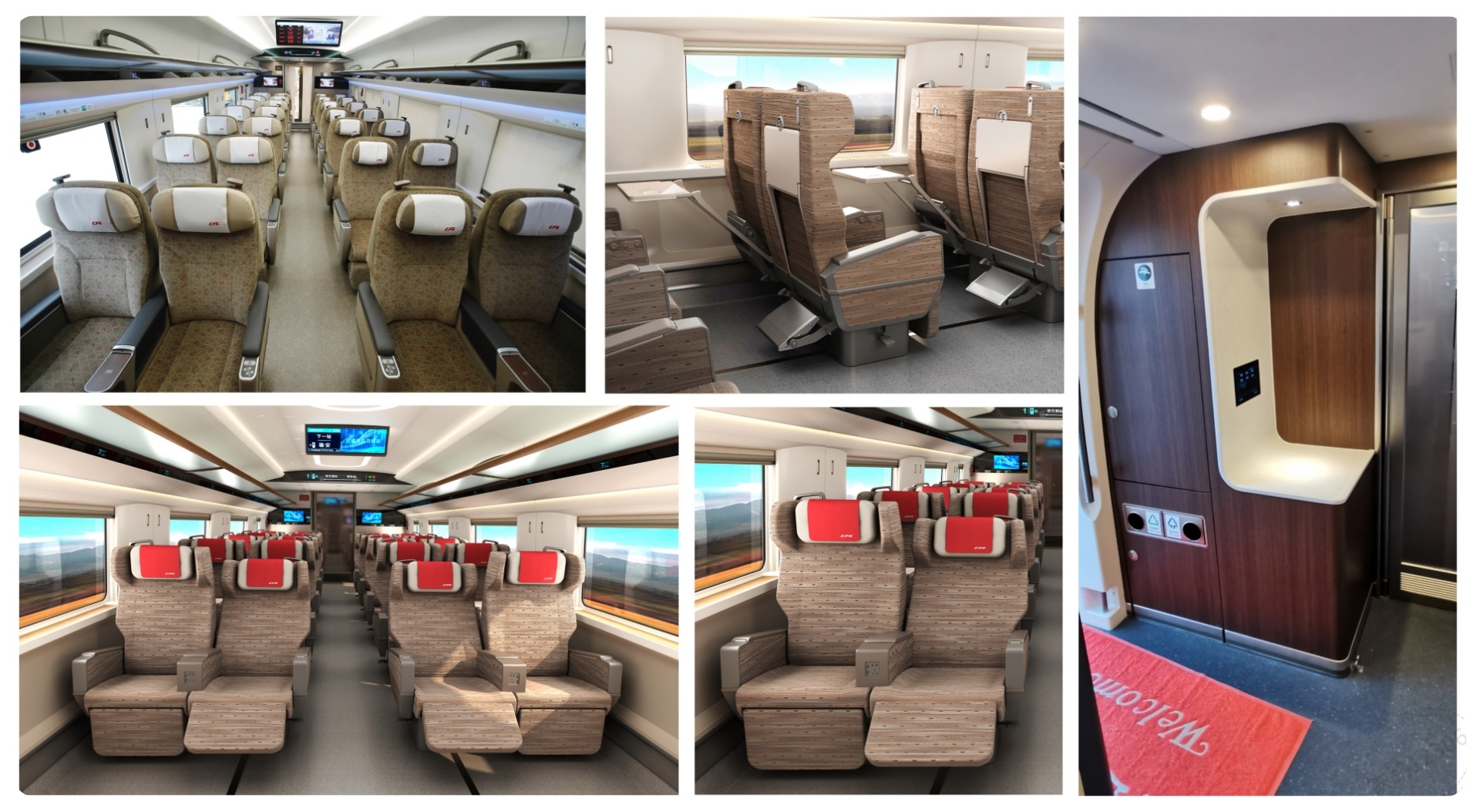
This is the most luxurious option. Seats are arranged in a 1-2 configuration (1 on one side of the aisle, 2 on the other) with full leather upholstery and a fully reclining design—perfect for napping. Each seat features a big fold-out table, its own power outlet, a reading lamp, and plenty of legroom. You’ll also enjoy small extras like a blanket or water, and the cabin stays quiet thanks to fewer passengers.
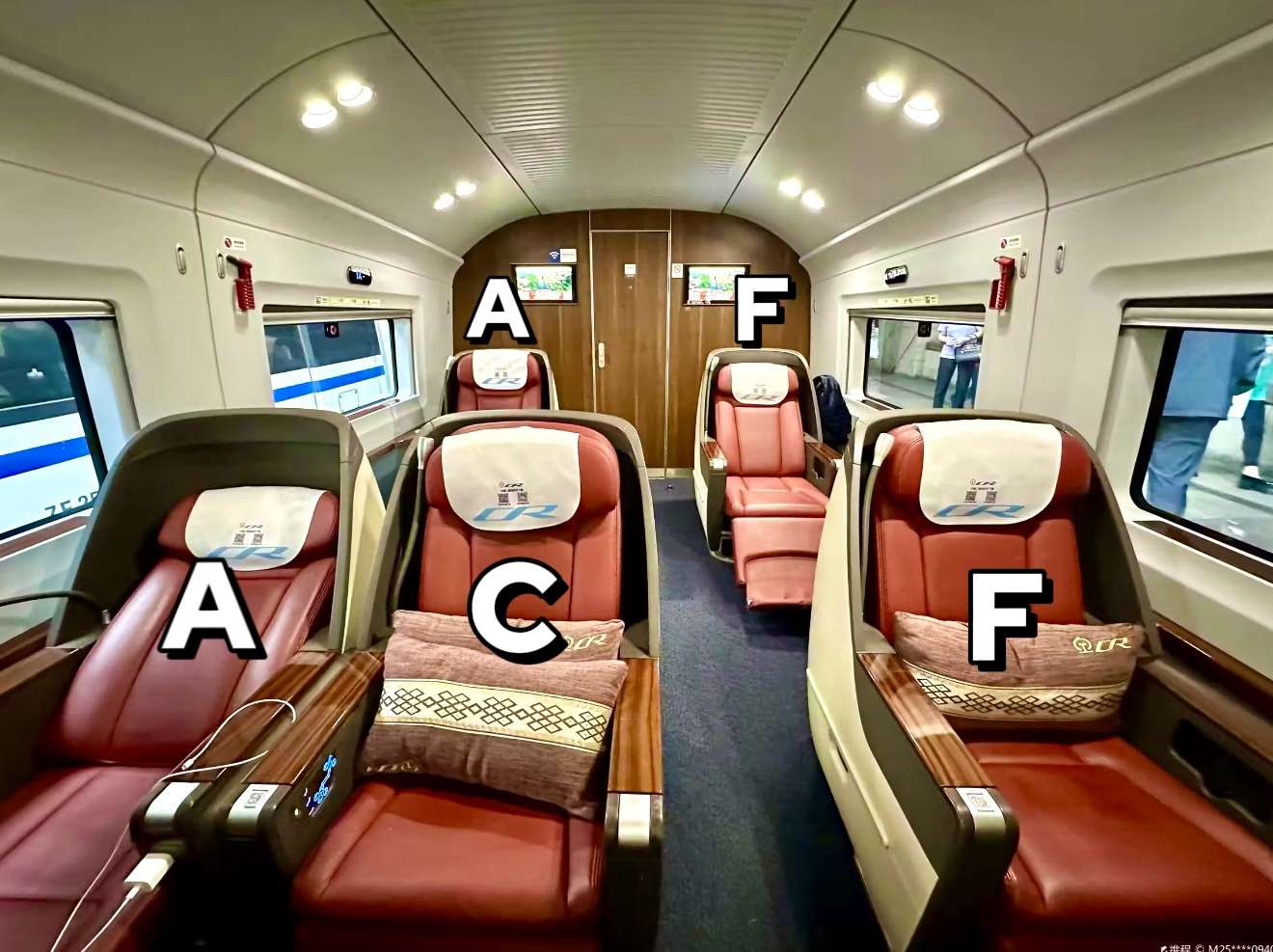
China Train Seat Interior | Business Class
The first-class cabin is spacious and comfortable for long-distance travel. The seats are 2-2 (there is no middle seat!). The padding is softer than that of the second-class cabin, and the seats recline more easily. Each seat is equipped with a dedicated power outlet, a small folding table (suitable for laptops or snacks), and extra legroom—even 3+ hour rides won’t feel cramped. The cabin is not as crowded as the second-class cabin, so it strikes a good balance between comfort and price.
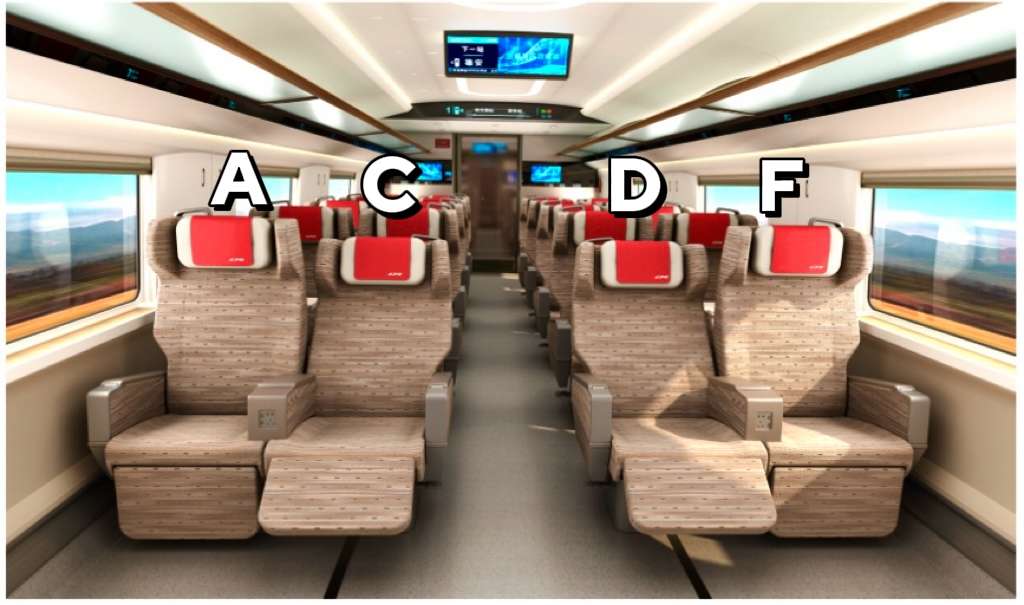
China Train Seat Interior | First Class
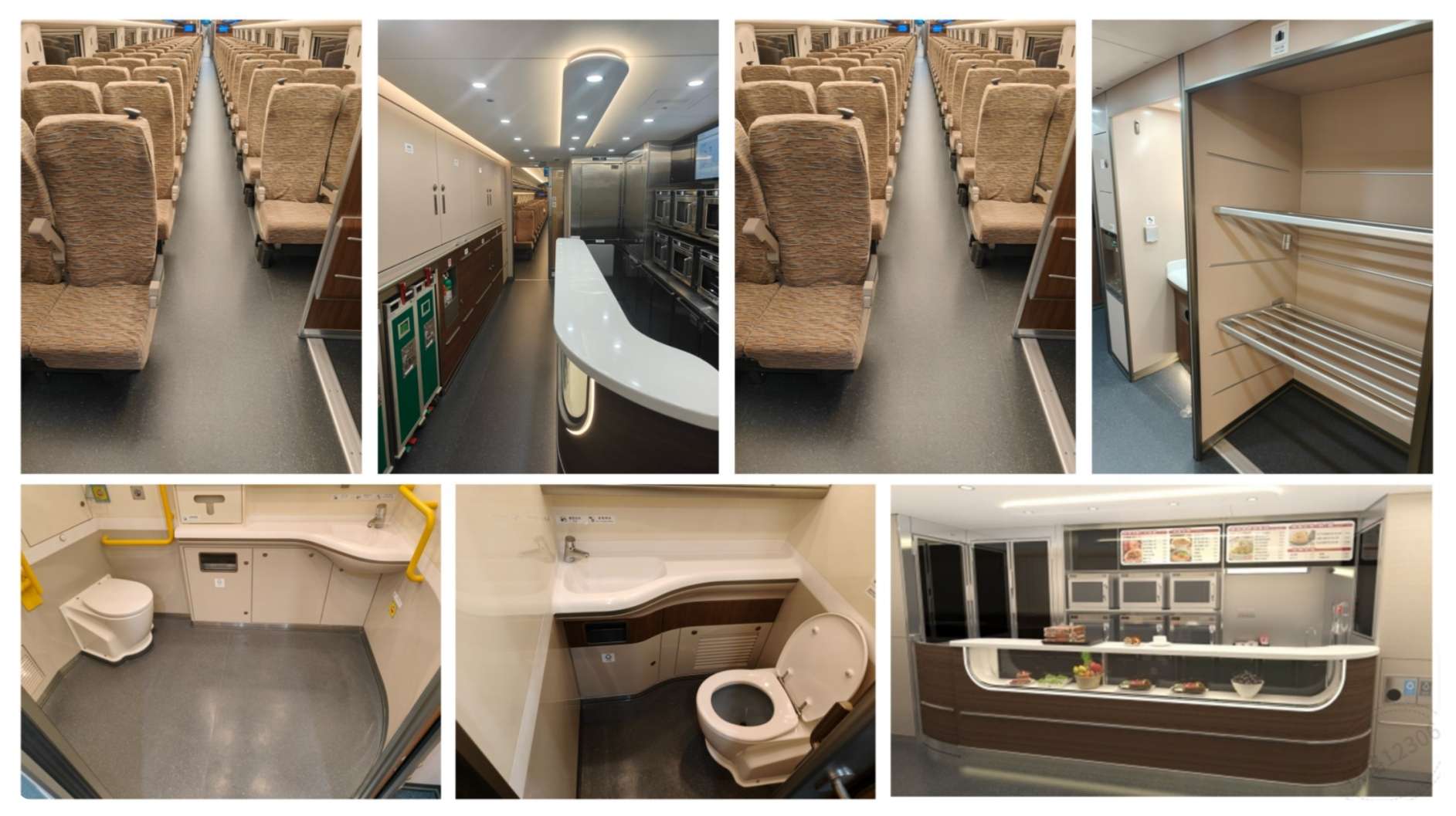
This is the most popular—and also the cheapest—high-speed option. Seats are arranged 3–2 (three on one side, two on the other—so some have middle seats), with basic but decent padding. Each seat is equipped with a power outlet (under the seat or on the armrest), a small shared table, and ample legroom, making it suitable for most adults (even tall passengers will find it spacious during long trips). During peak hours (such as holidays), it may be very busy, but it’s very convenient for medium and short trips.
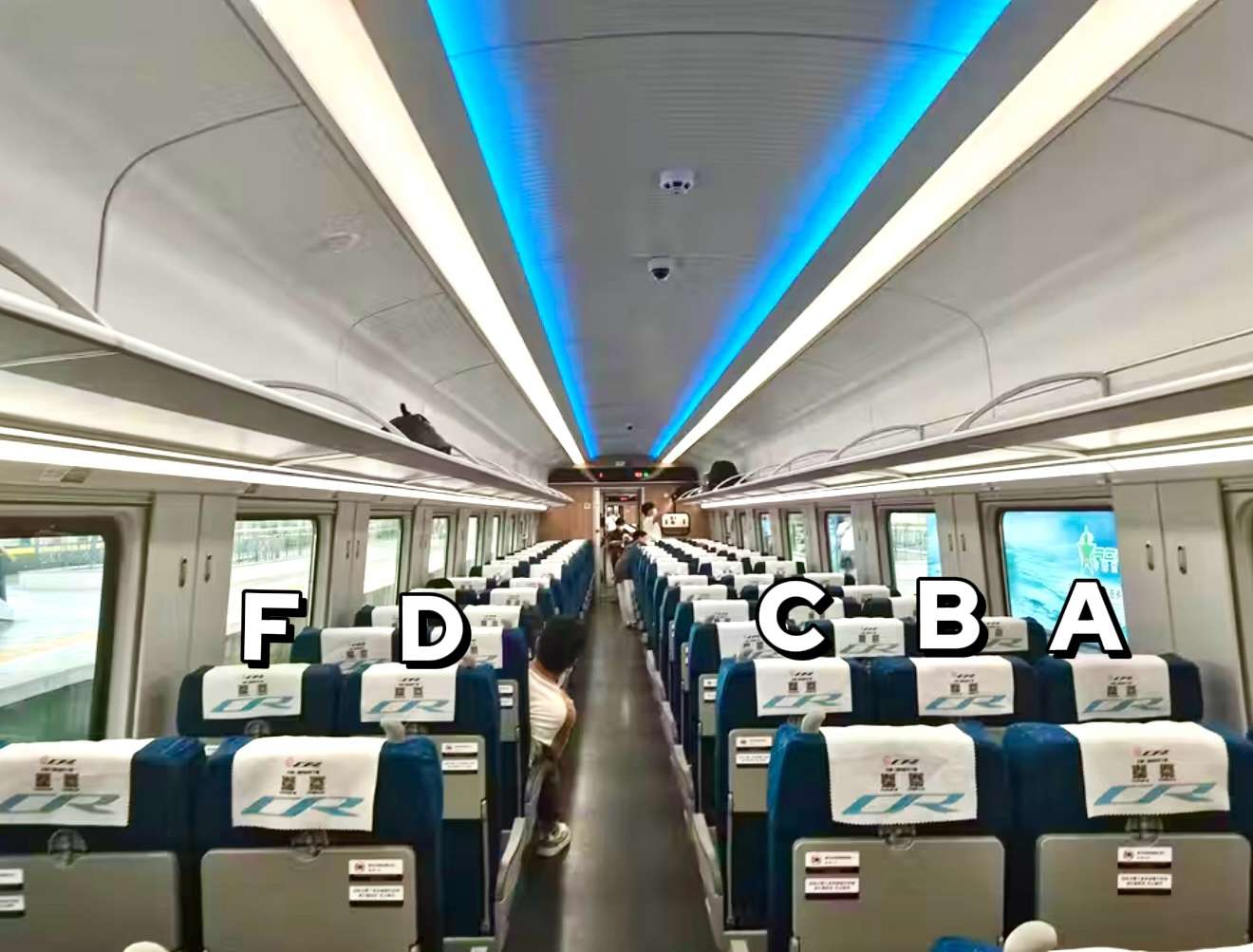
China Train Seat Interior | Second Class
Type | Speed | Best For |
|---|---|---|
G (High-speed) | Up to 350 km/h | Long distances (e.g., Beijing→Shanghai) |
D (High speed) | Up to 250 km/h | Mid-length trips (e.g., Shanghai→Hangzhou) |
C (High-speed) | Approximately 200 km/h | Short hops (e.g., Beijing→Tianjin, 30mins) |
Z (Regular) | Up to 160 km/h | Overnight trips (few stops, e.g., Beijing→Guangzhou) |
T/K (Regular) | 120-140 km/h | Budget long trips (many stops) |
First, choose your train type based on speed and journey length:
Then choose seats that suit your needs:
For those departing from the Hong Kong West Kowloon Station, the experience is seamless, but there are specific considerations regarding China bullet train seats on these cross-boundary routes.
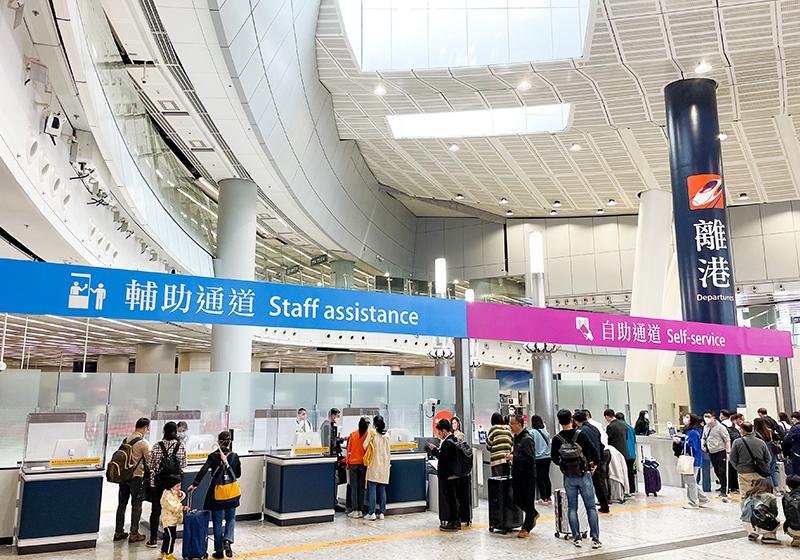
Unlike domestic mainland travel, departing from HK involves "One Place, Two Checks".
Your seat choice doesn't change your luggage allowance significantly, but storage space varies.
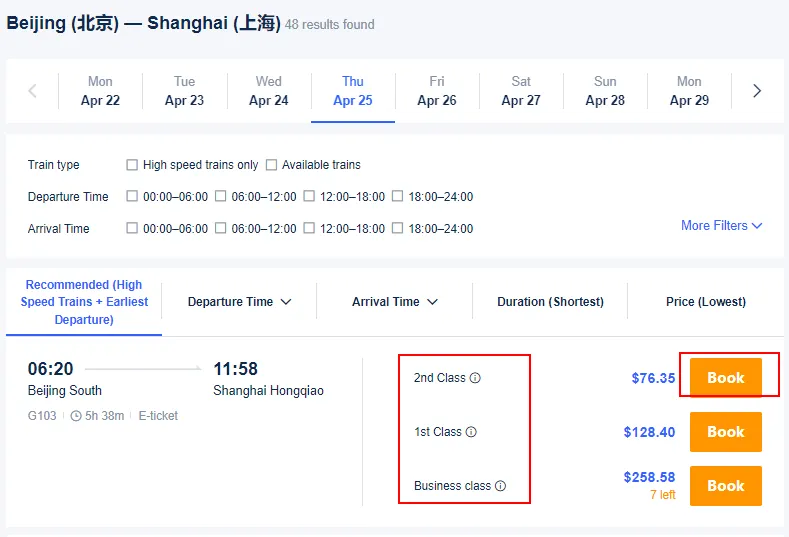
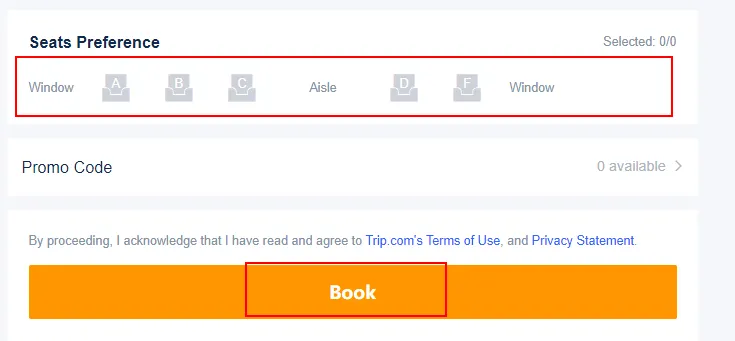
The easiest way is through Trip.com China Train—it’s English-friendly and accepts foreign passports (you can’t use an ID card like Chinese citizens). Here’s how:
Whether you are zooming to Shenzhen for a business meeting or taking a leisurely trip to Guilin, choosing the right China bullet train seats is key to a smooth journey. For Hong Kong travellers, the convenience of West Kowloon combined with the comfort of First or Business class makes the "Gaotie" a fantastic alternative to flying. Remember to book early via Trip.com, especially during public holidays, to secure that coveted window seat!

 已出售30423