China’s High-Speed Rail is the top choice for Hong Kong travelers in 2025. Trains zoom to the Mainland at 350 km/h. But a dilemma pops up when you open Trip.com: save cash in Second Class or splurge on Business?
China bullet train first class sits right in the sweet spot. This guide proves why the upgrade makes sense. We inspect the spacious seat map, the new Quiet Carriages, and the latest prices. Check the details below to see if the extra comfort fits your budget.
What is a First-Class Seat on Mainland China’s High-speed Rail?

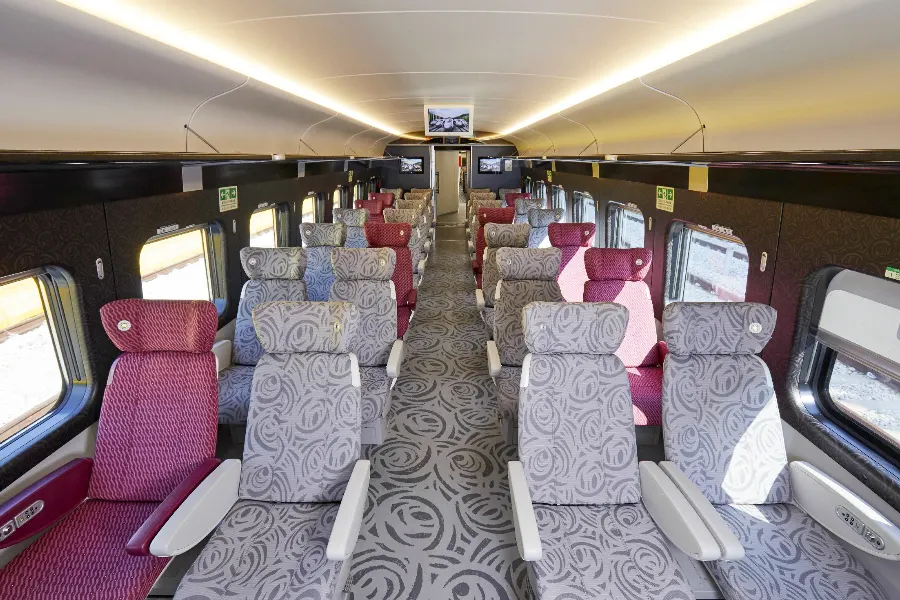
Simply put, first class on China’s high-speed rail is a mid-range option that’s more comfortable than second class but more affordable than business class.
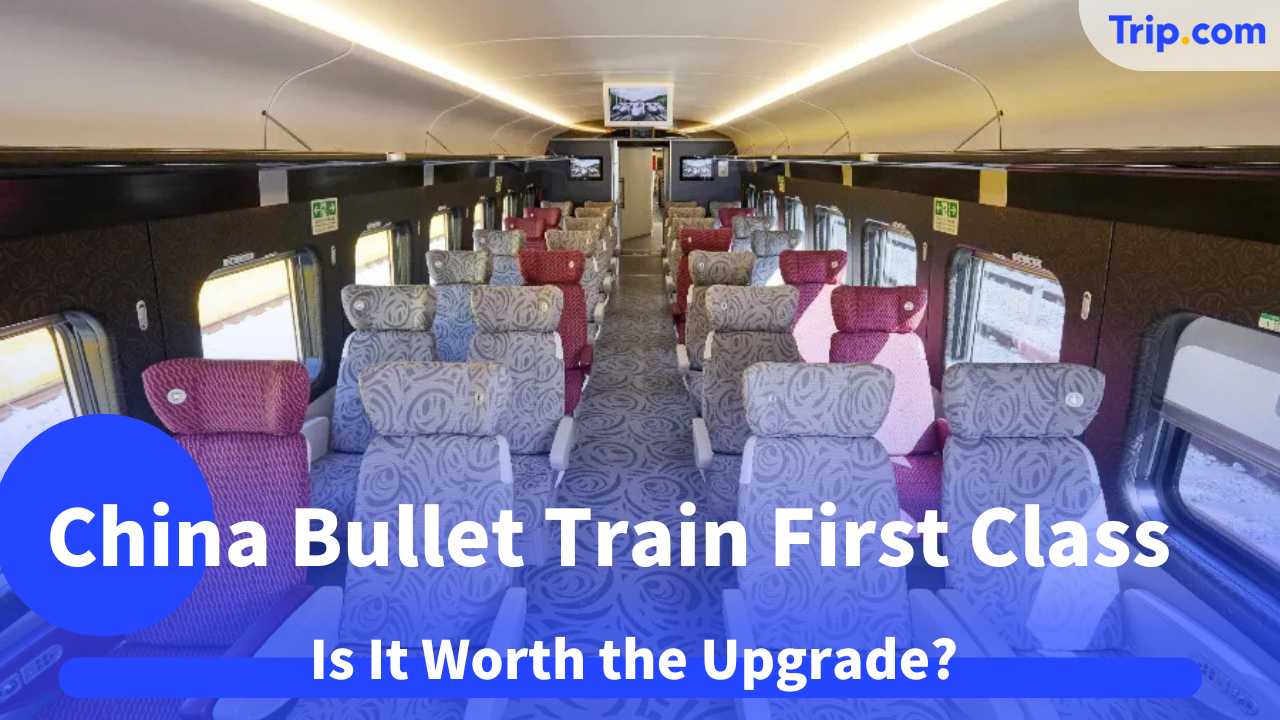
Like airplanes, trains are divided into classes; first class is basically an upgraded economy—wider space, comfier seats, and a quieter ride—so it’s a favorite for business travelers and anyone going long distance. Typically, it’s located toward the front or back of the train with a 2+2 layout—four seats per row—which is noticeably roomier than the 3+2 setup in second class.
Inside the Cabin: China Bullet Train First Class Seat Map & Amenities
To understand the value proposition, one must first understand the product. The First Class carriage is designed to offer a sanctuary of relative calm compared to the bustling energy of the rest of the train.
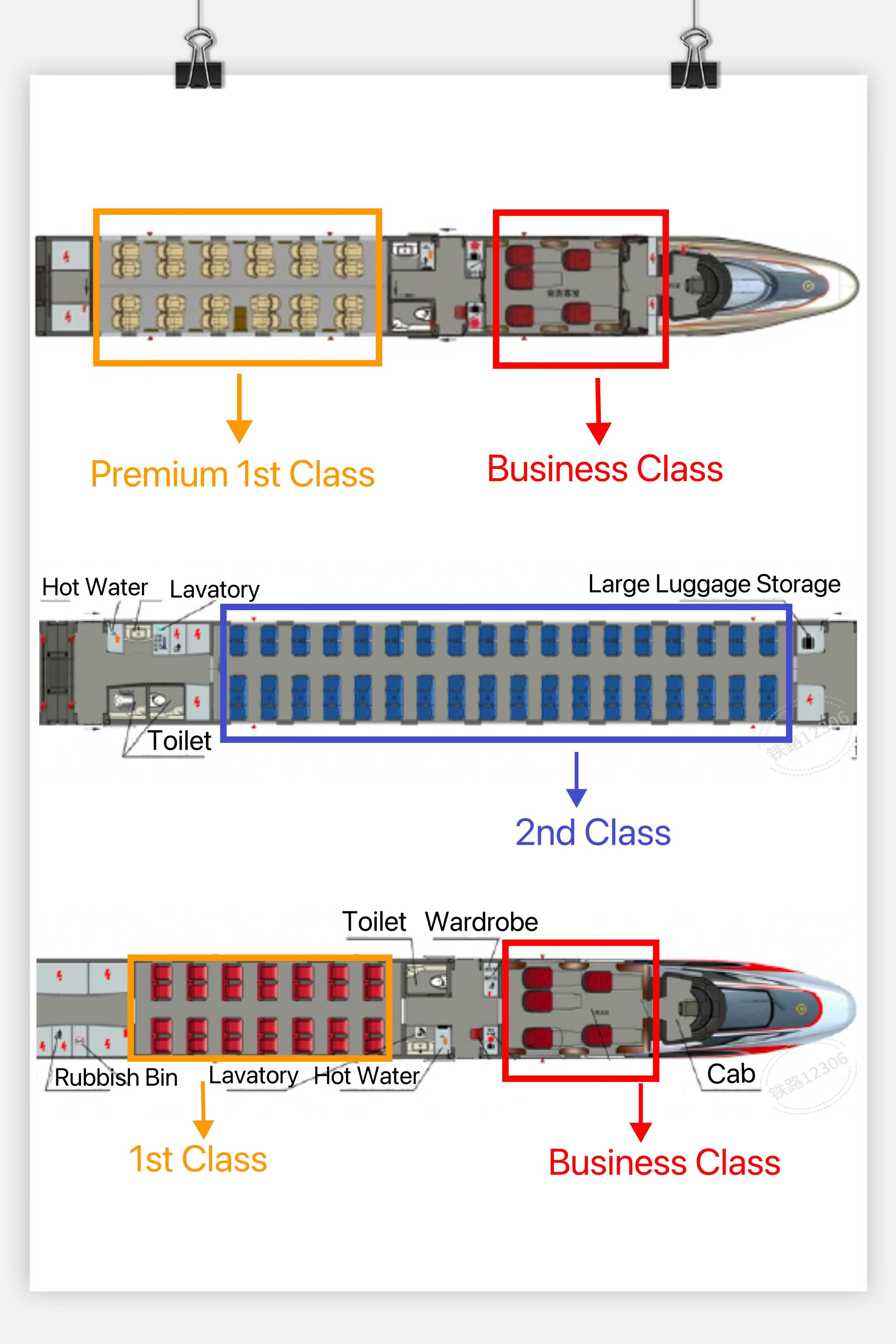
Visualizing the Layout
One of the most critical aspects of the China bullet train first class seat map is the configuration. Unlike Second Class, which utilizes a 2+3 layout (five seats per row), First Class adopts a spacious 2+2 layout.
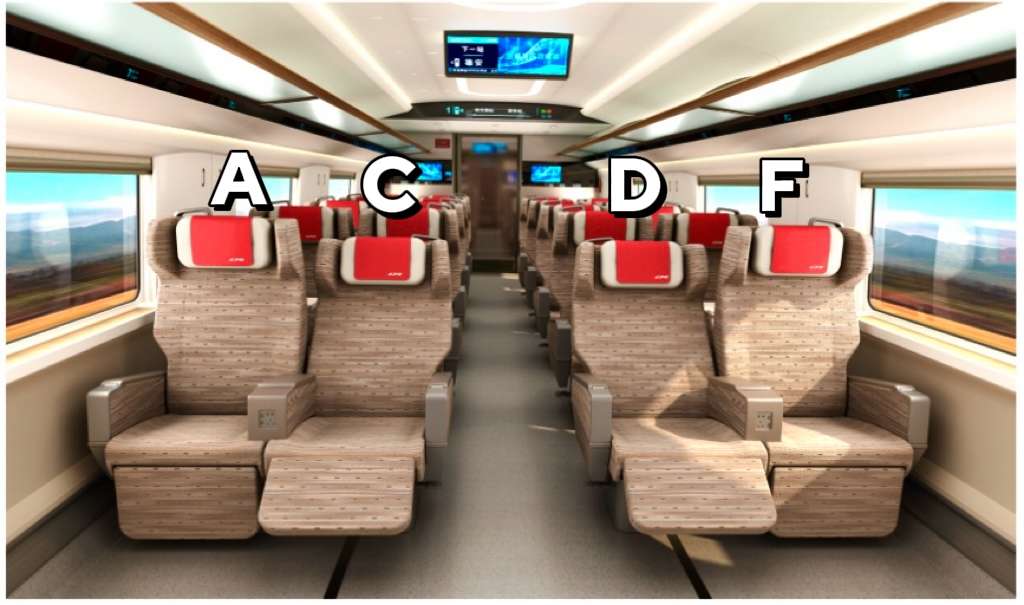
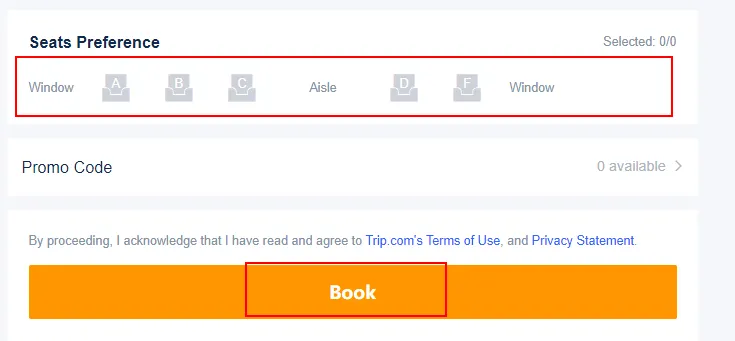
The rows are labeled A and C on one side of the aisle, and D and F on the other.
- Seats A and F: These are the Window seats, offering panoramic views of the changing Chinese landscape.
- Seats C and D: These are the Aisle seats, offering easy access to the restrooms and luggage racks.
- The "B" Factor: Crucially, there is no "B" seat in First Class. In Second Class, the "B" seat is the middle seat sandwiched between the window and aisle—a spot universally disliked by travelers. In First Class, you are guaranteed either a window view or aisle freedom, eliminating the risk of being stuck in the middle.
New Feature (2025): The "Quiet Carriage" (Silent Car)
A significant enhancement that has matured by 2025 is the introduction and standardization of the "Quiet Carriage" or Silent Car. On popular routes, such as the Beijing-Shanghai or Chengdu-Chongqing lines, passengers can specifically select a seat in the "Quiet Car" (often designated as Car #3, though this varies by train model) when booking via platforms like Trip.com.

China's high-speed trains roll out 'quiet carriage' service - CGTN
In these carriages, strict rules apply:
- Video and phone calls are prohibited.
- Phones must be set to silent or vibrate.
- Conversations between passengers must be kept to a whisper.
- Announcements are broadcast at a lower volume.
For business travelers needing to focus or leisure travelers seeking a nap, this feature alone adds immense value to the First Class experience.
Facilities
The amenities within the First Class cabin are a step up in quality and hygiene:
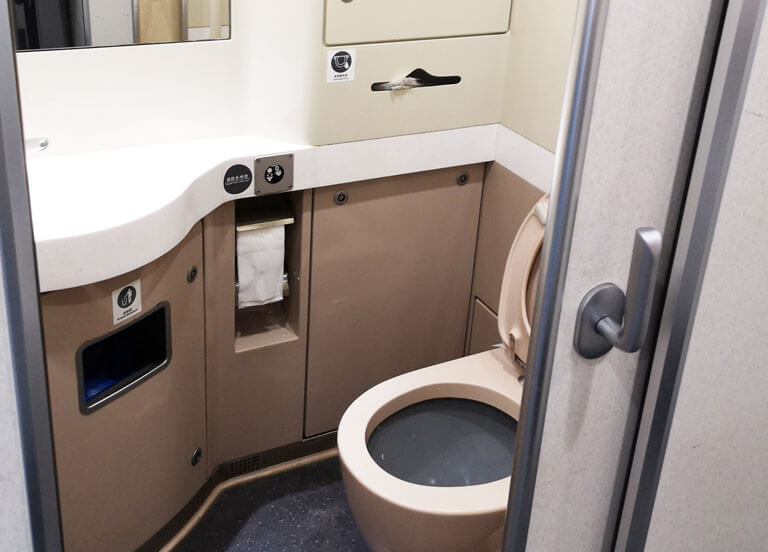
- Western-Style Toilets: While squat toilets are common in China, First Class carriages are almost exclusively serviced by Western-style seated toilets. In 2025, maintenance standards have improved, and these facilities are generally kept cleaner than those in Second Class due to lower foot traffic.

China Bullet Train First Class Seats | First Class Train Travel Guide
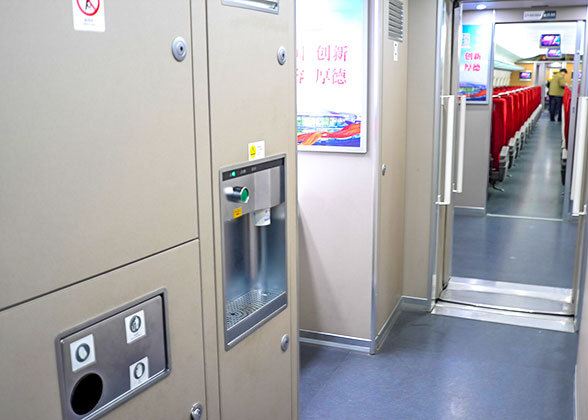
- Hot Water Dispensers: Located at the end of every carriage, these provide boiling water—perfect for instant noodles or tea.

Facilities on China High-speed Train: Luggage Rack, Dining Car, Toilet
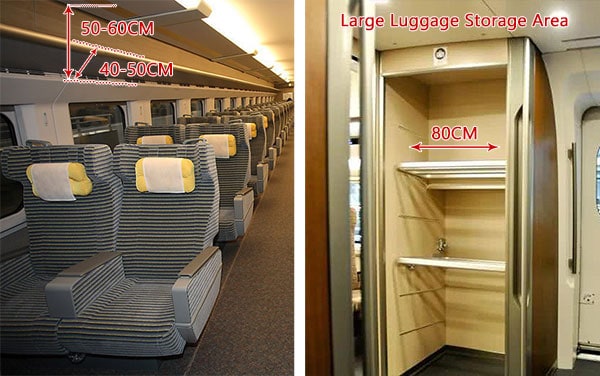
- Luggage Storage: Storage is ample. You will find overhead racks suitable for backpacks and carry-ons, as well as dedicated luggage closets at the ends of the carriage for larger suitcases.

China High Speed Train Facilities: Food, WiFi, Toilet - Easy Tour ...
China Bullet Train First Class vs Second Class: The Major Differences
When debating China high speed rail first class vs second class, the price difference is usually around 40% to 50%. Is the premium justified? Let’s break down the tangible differences.
Seat Configuration
As mentioned, the shift from 2+3 (Second Class) to 2+2 (First Class) is the most immediate difference. This configuration means the aisle in First Class is wider, allowing for easier boarding and alighting. It also significantly reduces the passenger density per carriage. A standard Second Class car might hold 80-90 people, whereas a First Class car typically holds 60 or fewer. Fewer people means less noise, shorter queues for the bathroom, and a generally more relaxed atmosphere.
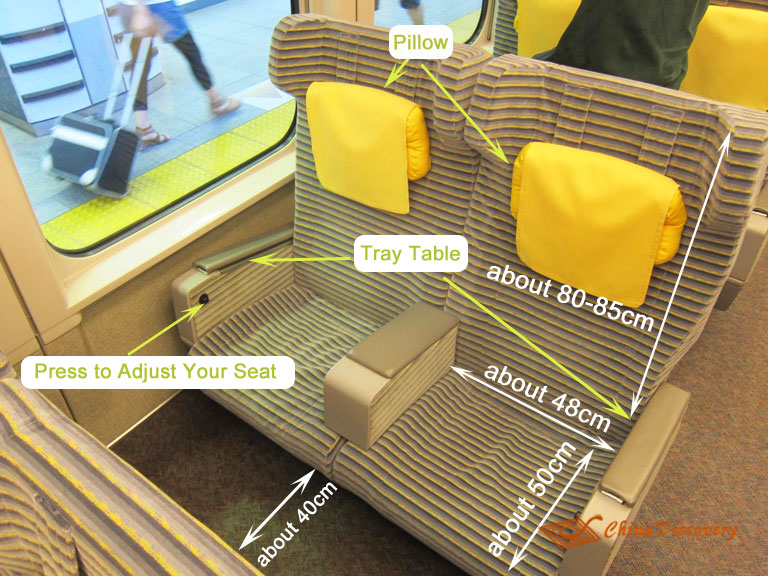
Comfort & Space

Source: China Discovery
- Legroom: First Class offers approximately 40% more legroom than Second Class. For a traveler of average height, Second Class is adequate, but for anyone over 6 feet tall, or for trips longer than three hours, the extra space in First Class prevents knee-crunching discomfort.
- Seat Width & Recline: The seats in First Class are wider (approx. 47-48 cm) compared to Second Class (43 cm). They also feature a deeper recline angle.
- Padding & Headrests: First Class seats feature better padding and, most importantly, adjustable "wing" style headrests (similar to those on premium airlines). This allows you to rest your head comfortably for a nap without it lolling onto your neighbor's shoulder.
Amenities
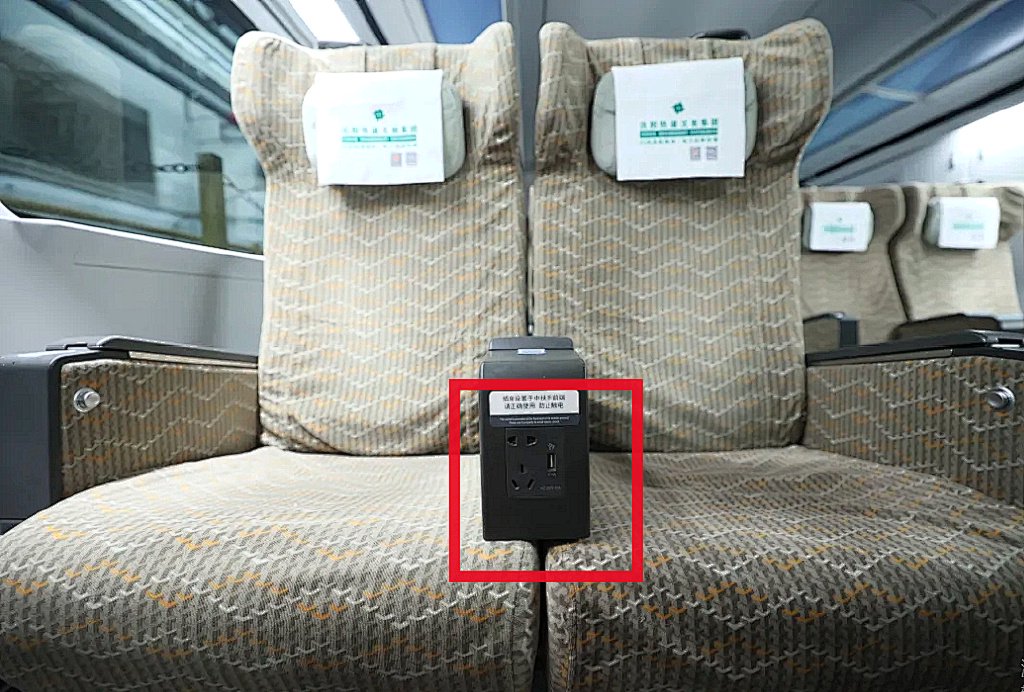
- Charging Ports: In Second Class, power outlets are often located inconveniently under the seat (sometimes one shared between two or three people). In First Class, you typically have a personal power outlet (often including a USB port) located on the armrest or the front of the seat, making it much easier to keep devices charged.

Source: China Discovery
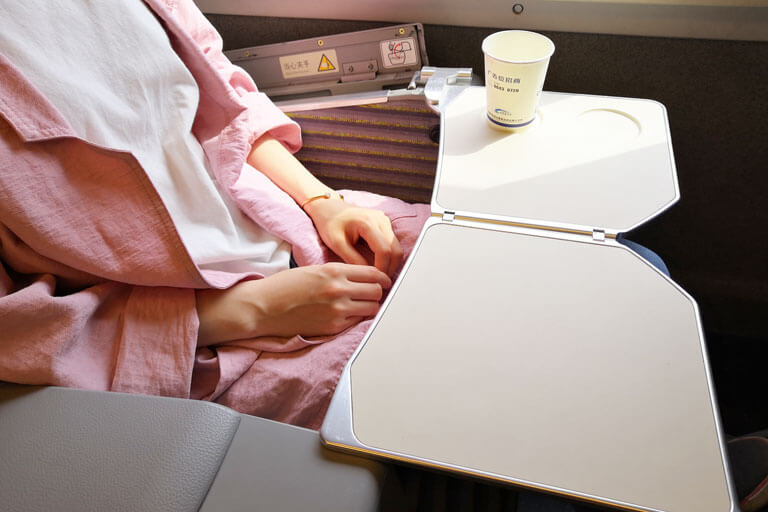
- Foldable Tables: The tray tables in First Class are larger and sturdier. If you plan to work on a laptop, the First Class table can support a 15-inch device comfortably, whereas Second Class tables are often smaller and prone to shaking.

Source: China Discovery
How to Buy China Bullet Train First Class Tickets (From HK & Overseas)
Navigating the ticketing system has become much easier for international travelers by 2025. Here is your guide to securing China bullet train first class tickets.
Where to Buy
Trip.com (Recommended): For English speakers, Trip.com remains the gold standard. The interface is intuitive, customer service is available in English 24/7, and it supports international credit cards (Visa, Mastercard) and Apple Pay. The small service fee is worth the hassle-free experience. Here’s how:
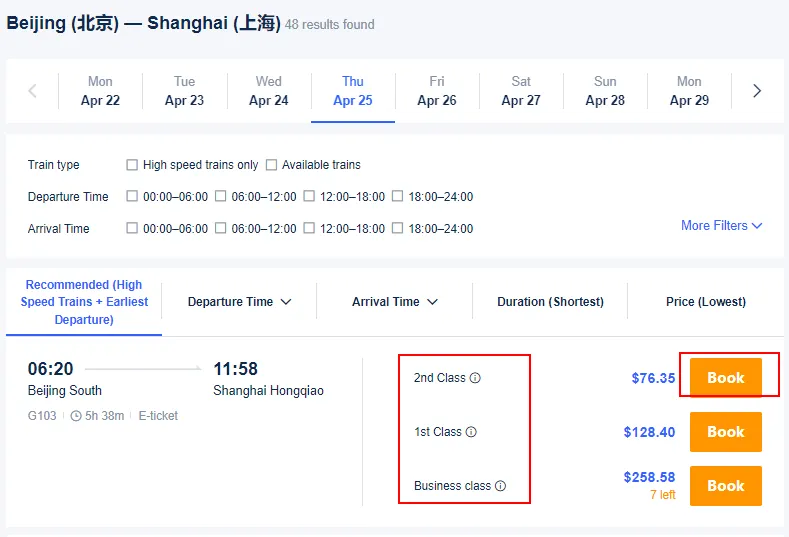
- Head to the "China Train Tickets" page on Trip.com.
- Enter your departure and arrival cities, travel date, and the number of passengers.

- Choose your train type (G/D/C/Z/T/K) and seat class.
- Enter your passport details (make sure they match your actual passport!).

- Pay with an international credit card or a digital wallet (Trip.com accepts most).
- You'll receive the e-ticket via email, and pick up the physical ticket at the train station before boarding (use your passport at the ticket office or a self-service ticket machine).
The E-Ticket Era
Gone are the days of paper tickets. In 2025, the system is entirely paperless.
- Your Ticket is Your ID: When you buy a ticket, it is electronically linked to your Passport or Home Return Permit (for HK/Macau residents).
- Boarding: You simply scan your physical ID document at the automated gates to enter the station and board the train. You do not need to print anything.
Booking Window
Tickets typically go on sale 15 days in advance.
However, during public holidays (Chinese New Year, Golden Week), all tickets sell out in seconds. It is highly advisable to use the "Reservation" feature on Trip.com to queue your booking request before tickets are released.
Schedules and Pricing: Planning Your Trip
Understanding the China bullet train first class schedule and pricing structure will help you budget effectively.
Understanding the Schedule
When looking at schedules, pay attention to the train prefix:
- G-Series (Gaotie): These are the fastest trains (300-350 km/h) with the fewest stops. They operate the majority of long-distance routes.
- D-Series (Dongche): These are slightly slower (200-250 km/h) and may make more stops. First Class on D-trains is often cheaper than on G-trains, but the hardware might be slightly older.
Price Examples (Estimates from HK West Kowloon)
Prices fluctuate slightly, but here are the 2025 baselines to help you compare the China bullet train first class price against other classes:
- Hong Kong to Guangzhou South (approx. 45-60 mins)
- Second Class: ~HKD 236
- First Class: ~HKD 378
- Business Class: ~HKD 709
- Analysis: For a short 45-minute hop, Second Class is bearable, but First Class ensures you aren't squeezed during the commuter rush.
- Hong Kong to Shenzhen North (approx. 18-24 mins)
- Second Class: ~HKD 82
- First Class: ~HKD 132
- Analysis: The price difference is the cost of a coffee. It is a great route to try First Class for the first time without a major investment.
- Hong Kong to Changsha South (approx. 3.5 hours)
- Second Class: ~HKD 650
- First Class: ~HKD 989
- Business Class: ~HKD 1,900
- Analysis: This is where First Class shines. Three hours is a long time to be cramped. The extra legroom is worth the HKD 330 premium.
Practical Tips for First Class Travelers
To ensure your journey is flawless, keep these practical tips in mind.
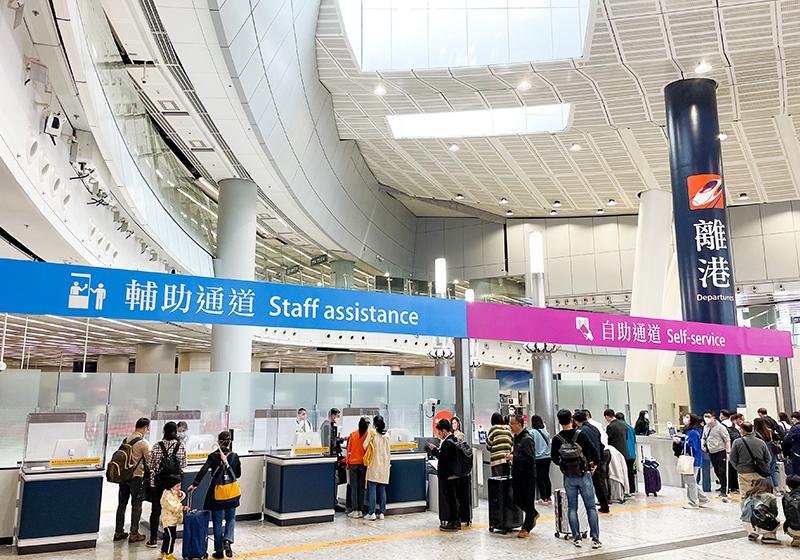
Boarding at West Kowloon

If departing from Hong Kong, do not underestimate the immigration process. Although "Co-location" is efficient, you must clear HK exit immigration and Mainland entry immigration back-to-back.
Luggage Rules
China Railway has tightened luggage enforcement.
- Weight Limit: 20kg per adult passenger.
- Dimensions: The sum of the length, width, and height must not exceed 130cm for high-speed trains.
- Enforcement: While they don't weigh every bag, bulky items are flagged.
- The First Class Advantage: One subtle benefit of First Class is the luggage competition. With fewer passengers per car, there is much less competition for the large luggage racks at the end of the carriage. In Second Class, finding space for a large suitcase can be a chaotic free-for-all.
Food & Drink
- Delivery to Seat: You can order food via the 12306 app (or scanning the QR code on your armrest) from restaurants at upcoming stations. The staff will deliver KFC, McDonald's, or local Chinese bentos directly to your First Class seat.
- BYO: The food onboard can be hit-or-miss and pricey. Since you are departing from Hong Kong, it is often better to buy snacks or a meal at West Kowloon station (which has excellent food options) to bring onboard.
Conclusion
Travel in 2025 is about making smart choices that maximize comfort without wasting resources. China bullet train first class represents the ultimate travel hack for visitors to the Mainland. It bridges the gap between the chaotic, crowded nature of Second Class and the exorbitant luxury of Business Class.
For the English-speaking traveler from Hong Kong, the upgrade offers tangible benefits: the 2+2 seating configuration ensures personal space, the "Quiet Car" options protect your peace, and the priority amenities make the journey smoother. Whether you are traveling for business in the Greater Bay Area or exploring the cultural depths of Beijing, First Class ensures you arrive rested and ready.


已出售418276