For travellers based in Hong Kong, the High-Speed Rail (HSR) has revolutionised travel to the mainland. Whether you are popping across the border to Shenzhen for a day trip or embarking on a long-haul journey to Shanghai or Beijing, understanding the nuances of China bullet train seats is essential for a comfortable journey.
Navigating the booking options can be confusing, with various classes and configurations available. Trip.com breaks down everything you need to know about China bullet train seats, from seat maps and layouts to the booking process specifically for Hong Kong residents starting their journey at West Kowloon Station.
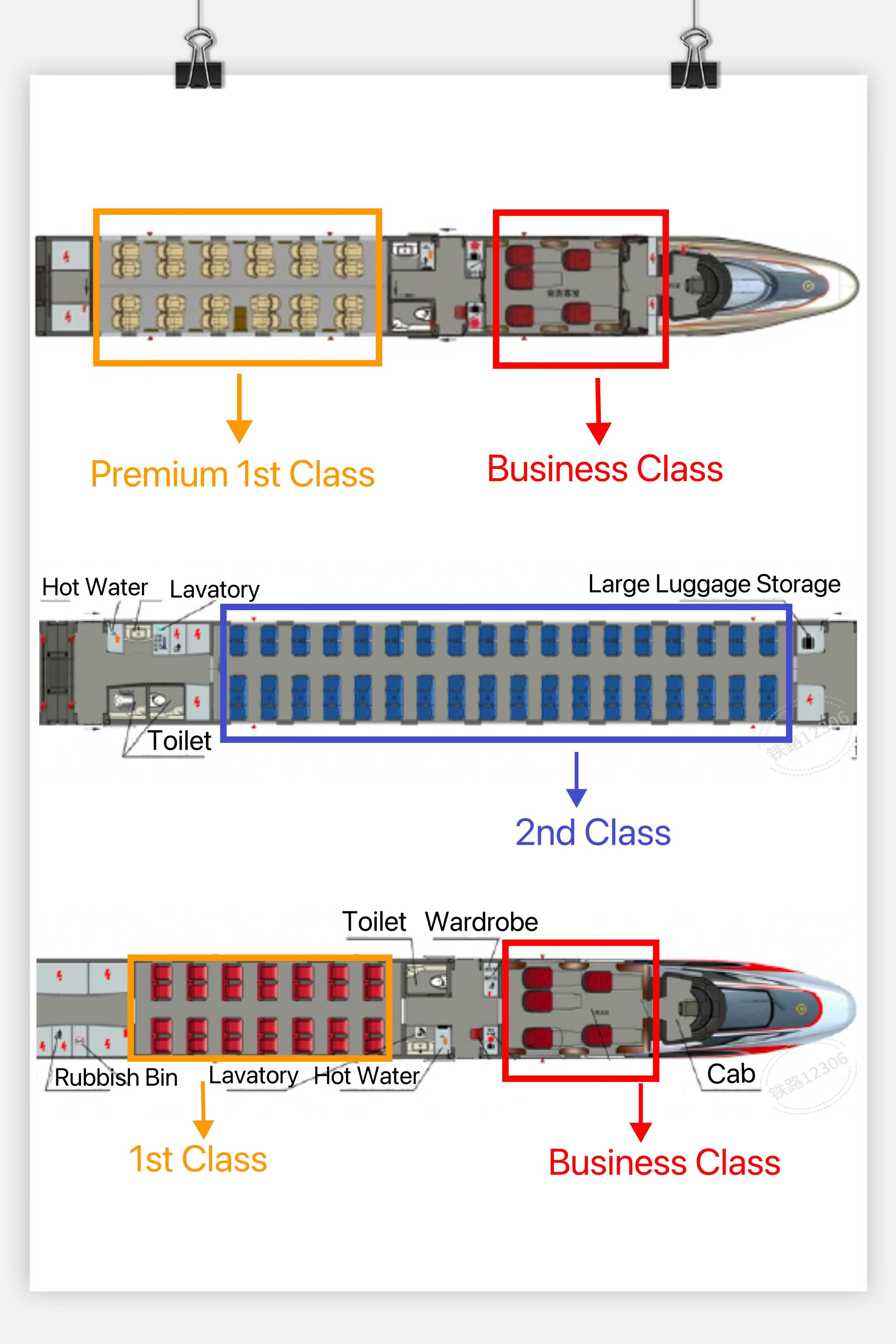
China Bullet Train Seats Map (High-Speed & Regular)

China’s High-Speed Train Seat Map (G/D/C Trains)
China High-speed train seat maps follow their class layouts:
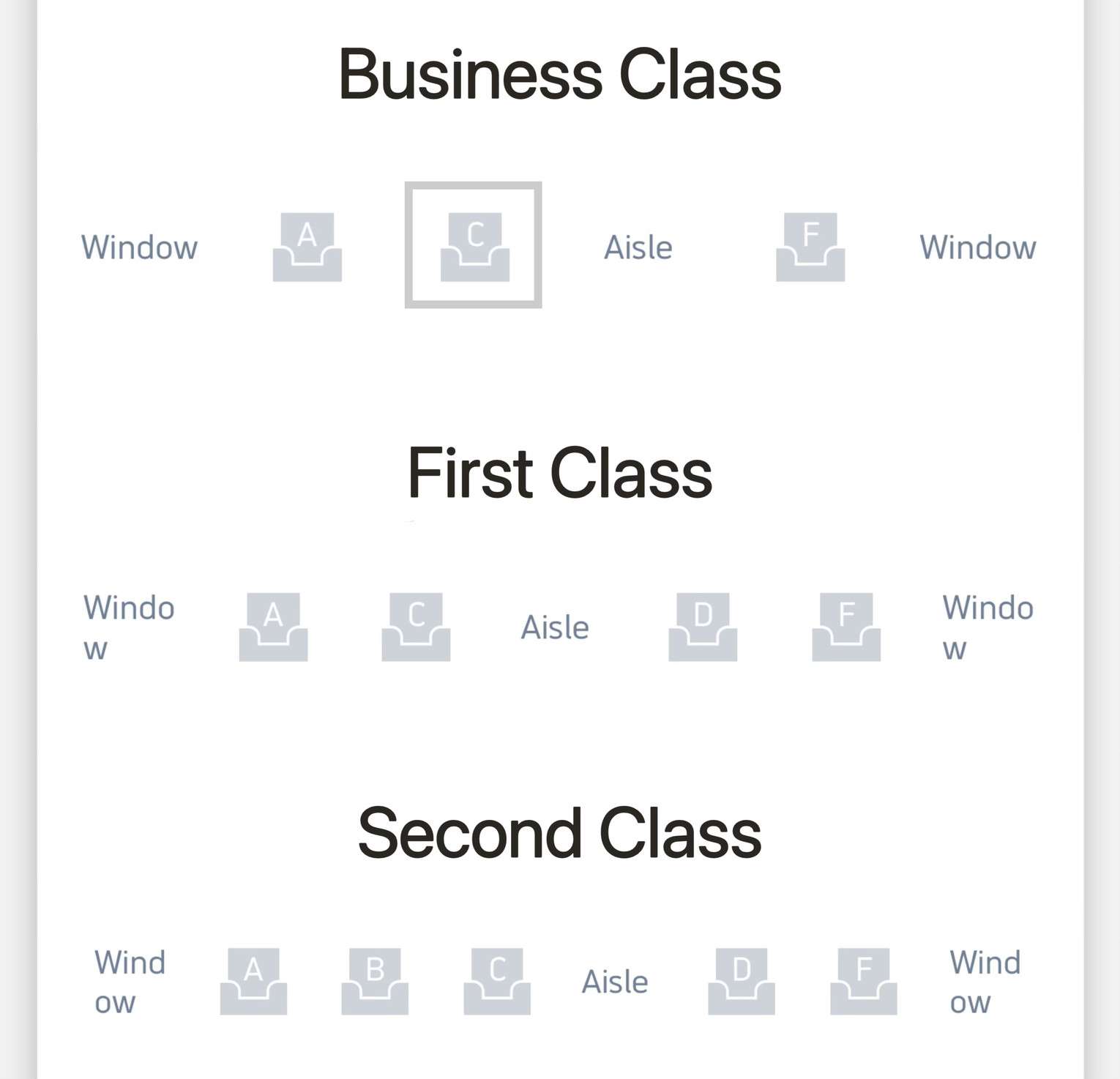
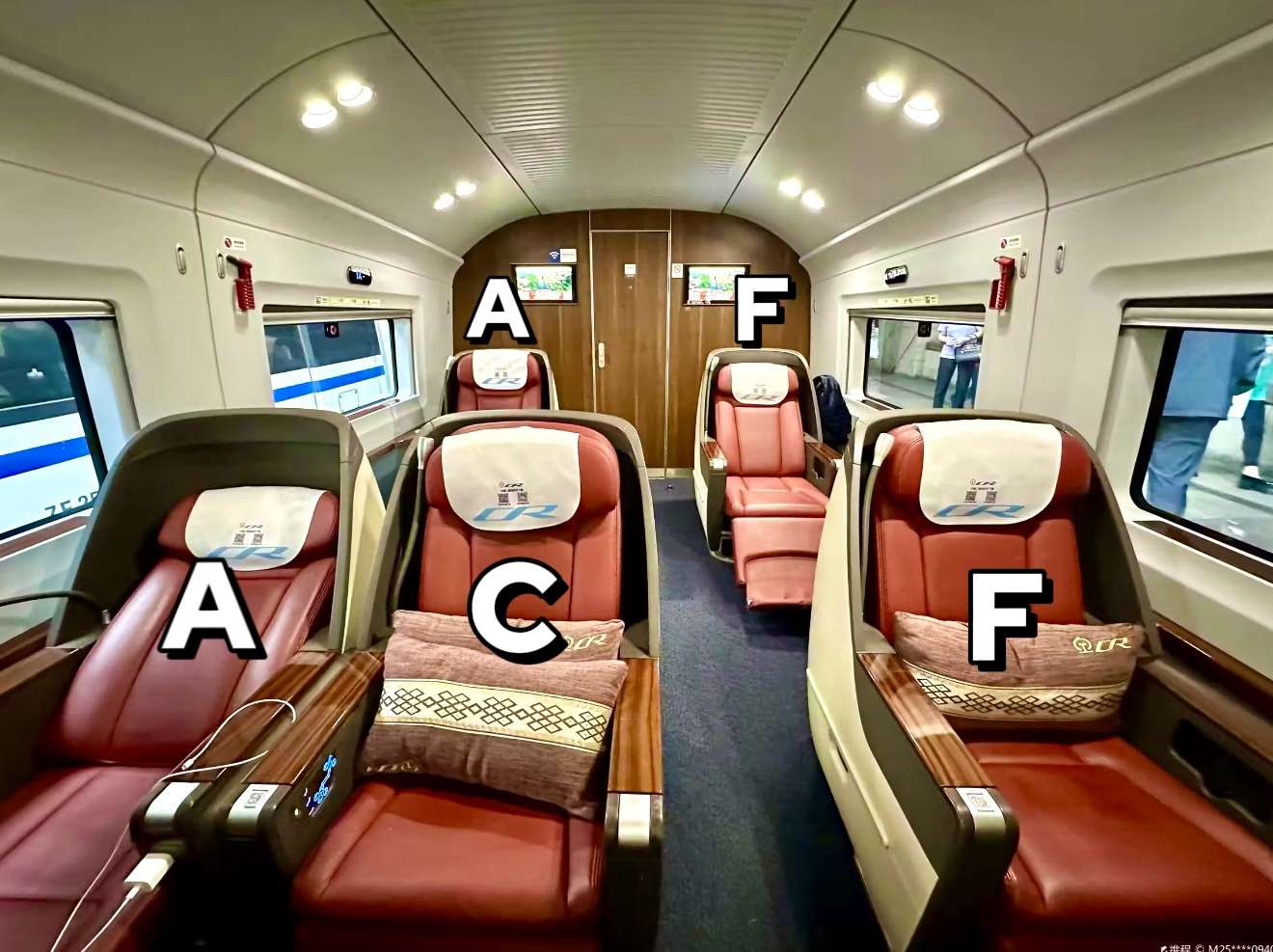
- Business Class (G trains): 1-2 per row (e.g., seats A, F on one side; C, D on the other—no middle seats).
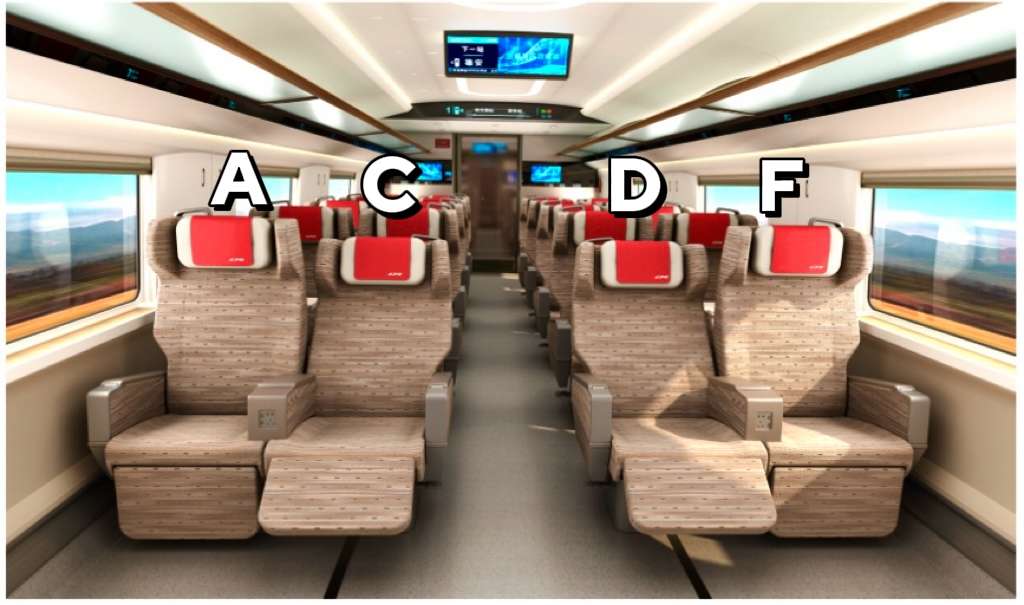
- First Class: 2-2 per row (seats A, F and C, D—no middle seats).
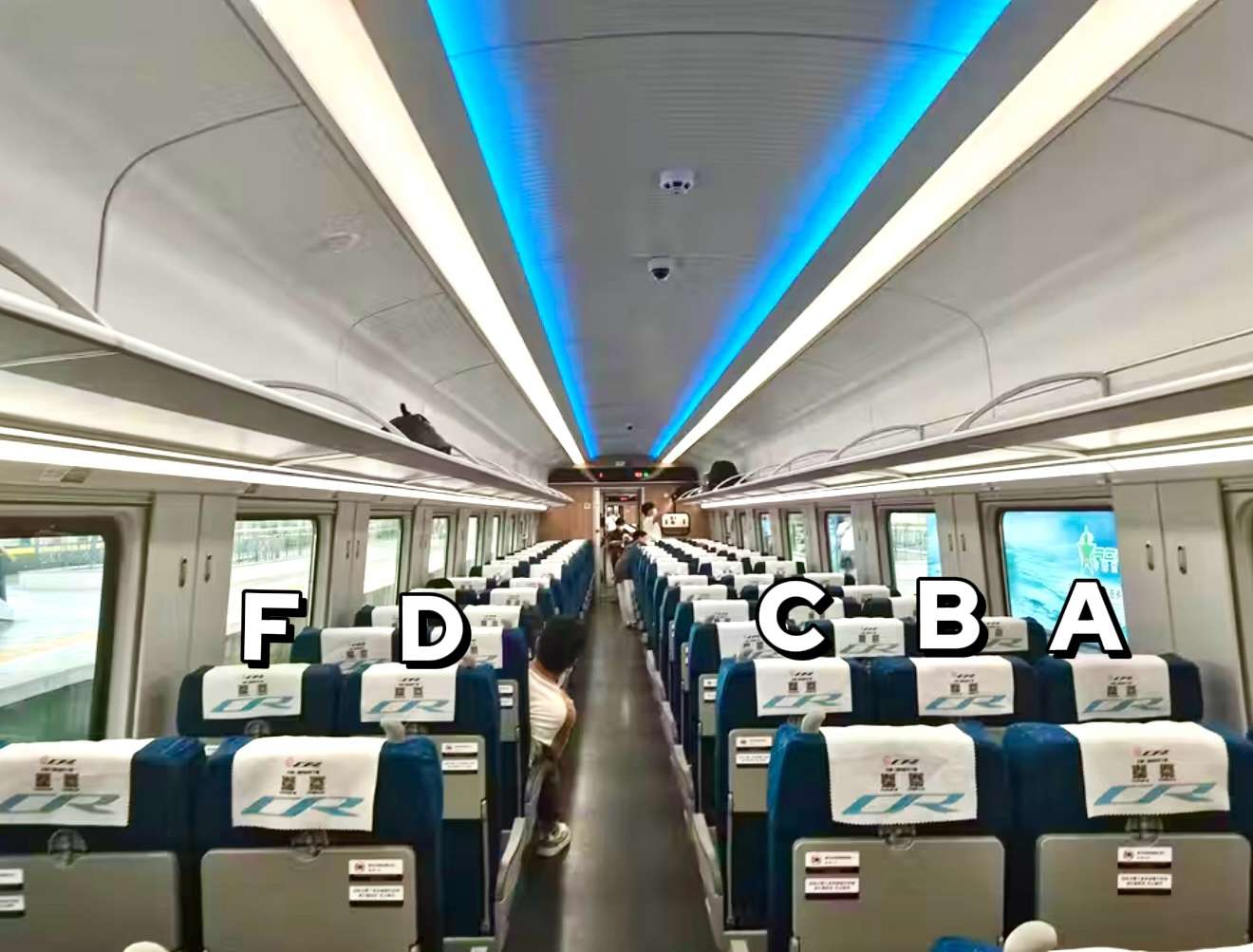
- Second class: 3-2 per row (seats A, B, C on one side; D, F on the other—B is the middle seat).
China Regular Train Seat Map (Z, T, K Trains)
Seat maps for China’s regular trains focus on sleeper berths:
- Hard Sleepers (Z, T, K): 6 bunks per open compartment, with 3 on each side (upper, middle, lower).
- Soft Sleepers (Z, T, K): 4 bunks per enclosed compartment (2 on each side: upper and lower).
- Deluxe Soft Sleepers (Z): Each enclosed compartment has two bunks (one upper, one lower), along with a small table and private space.
China High-Speed Train Seat Interiors (By Class)

China Train Seat Interior | Business Class
1. China Bullet Train Seats Interior | Business Class (Only on Some G Trains)
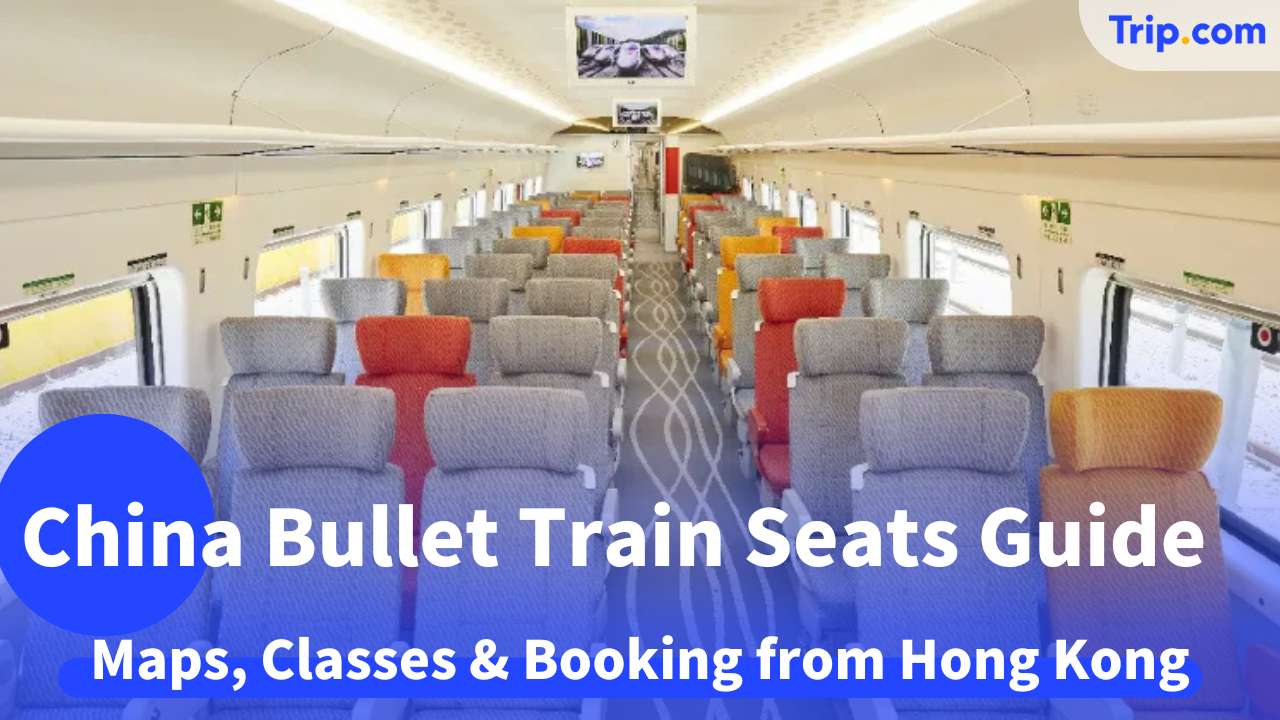
This is the most luxurious option. Seats are arranged in a 1-2 configuration (1 on one side of the aisle, 2 on the other) with full leather upholstery and a fully reclining design—perfect for napping. Each seat features a big fold-out table, its own power outlet, a reading lamp, and plenty of legroom. You’ll also enjoy small extras like a blanket or water, and the cabin stays quiet thanks to fewer passengers.
China Train Seat Interior | First Class
2. China Bullet Train Seats Interior | First Class (G, D, C Trains)
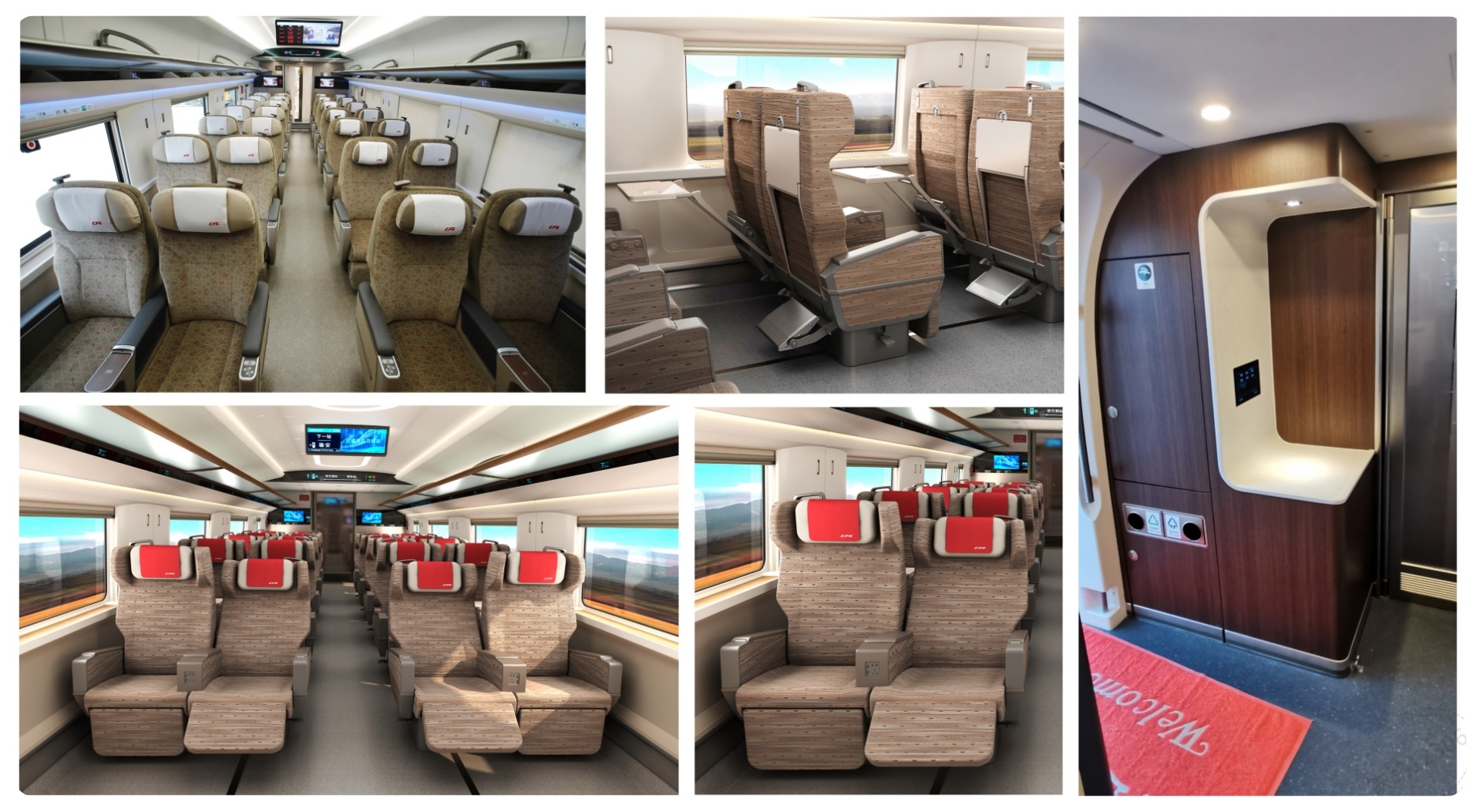
The first-class cabin is spacious and comfortable for long-distance travel. The seats are 2-2 (there is no middle seat!). The padding is softer than that of the second-class cabin, and the seats recline more easily. Each seat is equipped with a dedicated power outlet, a small folding table (suitable for laptops or snacks), and extra legroom—even 3+ hour rides won’t feel cramped. The cabin is not as crowded as the second-class cabin, so it strikes a good balance between comfort and price.
China Train Seat Interior | Second Class
3. China Bullet Train Seats Interior | Second Class (All G, D, C Trains)
This is the most popular—and also the cheapest—high-speed option. Seats are arranged 3–2 (three on one side, two on the other—so some have middle seats), with basic but decent padding. Each seat is equipped with a power outlet (under the seat or on the armrest), a small shared table, and ample legroom, making it suitable for most adults (even tall passengers will find it spacious during long trips). During peak hours (such as holidays), it may be very busy, but it’s very convenient for medium and short trips.
Understanding the Classes: High-Speed Train vs. Regular Train

1. Types of Trains in China (Quick Breakdown)
Type | Speed | Best For |
|---|---|---|
G (High-speed) | Up to 350 km/h | Long distances (e.g., Beijing→Shanghai) |
D (High speed) | Up to 250 km/h | Mid-length trips (e.g., Shanghai→Hangzhou) |
C (High-speed) | Approximately 200 km/h | Short hops (e.g., Beijing→Tianjin, 30mins) |
Z (Regular) | Up to 160 km/h | Overnight trips (few stops, e.g., Beijing→Guangzhou) |
T/K (Regular) | 120-140 km/h | Budget long trips (many stops) |
2. China Train Seat Classes (Core Options)
High-speed trains (G/D/C)
- Business Class (Only G): 1-2 seats/row, fully reclining leather seats, extra legroom + amenities (blanket, water).
- First Class: 2-2 seats per row (no middle seats), soft padding, power outlets, small tables.
- Second Class: 3-2 seats per row (with middle seats), basic padding, power outlets—the cheapest and most popular.
Regular trains (Z/T/K)
- Hard Seats: Thin padding, often crowded, no AC (on older trains)—best for budget short trips.
- Soft Seats: Booth-style seating, AC, cleaner—better for short to medium trips.
- Hard Sleepers: 6 bunks per compartment (open), basic—budget overnight.
- Soft sleepers: 4 bunks per enclosed compartment—private and comfy for overnight journeys.
- Deluxe sleepers (Only Z): 2 bunks per compartment, private bathroom—luxury overnight.

3. China train key facilities (what you need to know)
High-speed trains
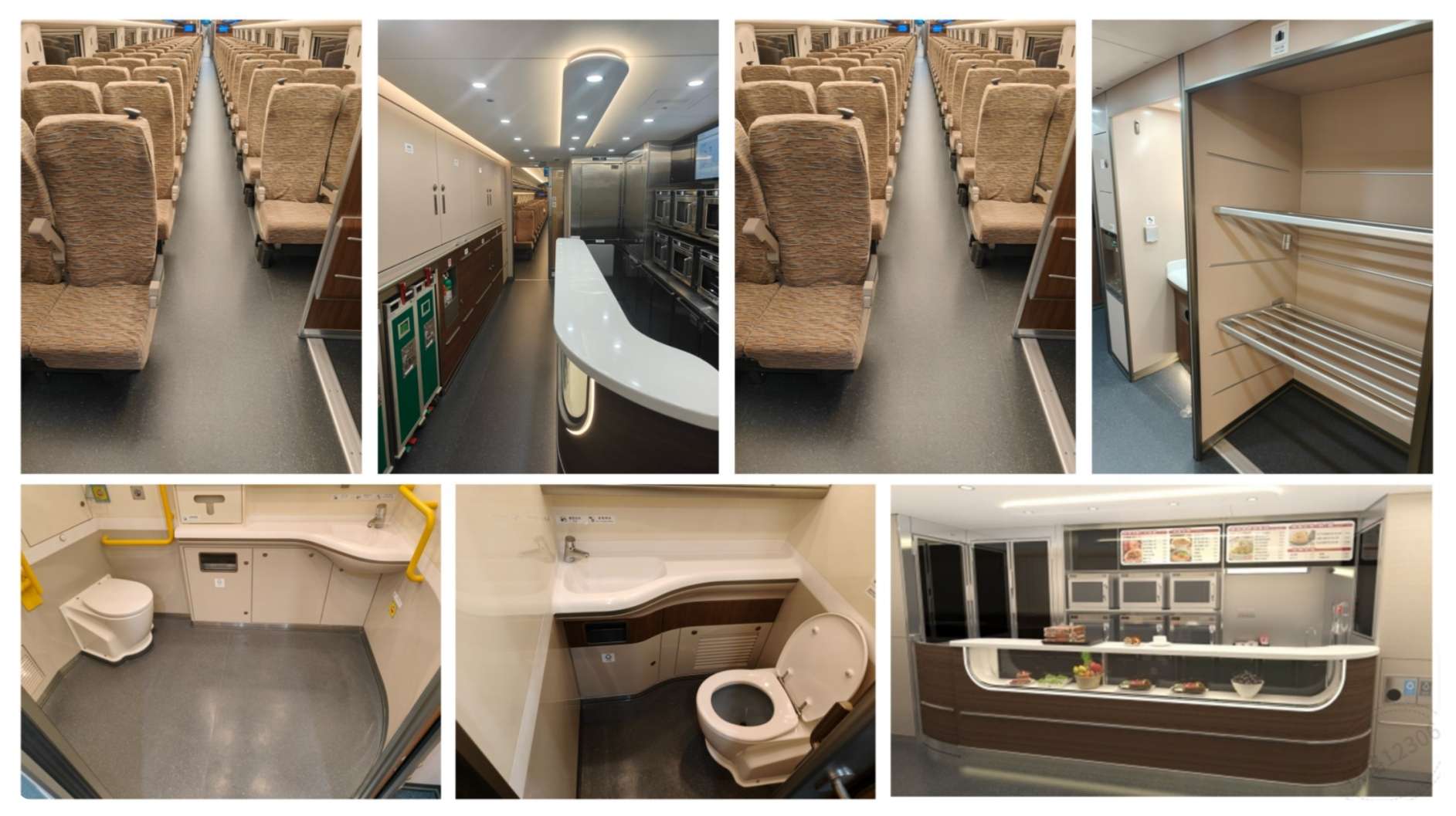
- Bathrooms: Clean Western and squat toilets, disabled-accessible options, and toilet paper.
- Food/Drinks: Dining carriage (hot meals ¥30-60), snack carts, and free water dispensers.
- Luggage: Overhead racks (small bags) + storage at the ends of the train car (big suitcases).
- Tech: Free Wi-Fi and seat-side power outlets (USB + 220V).
Regular Trains
- Restrooms: Mostly squat toilets—remember to bring your own toilet paper.
- Food/Drinks: Basic dining carriage (Z/T only), snack carts, and hot water dispensers.
- Luggage: Overhead racks (seats) / aisle racks (hard sleepers) / closets (soft sleepers).
- Extras: Air conditioning (good on Z/T, weak on K), no Wi-Fi, and power only in soft/deluxe sleepers.
Detailed Breakdown: Choosing Your China Bullet Train Seats

How to Choose Your Train Type in China
First, choose your train type based on speed and journey length:
- G trains: The fastest, reaching up to 300 km/h, ideal for long-distance routes (e.g., Beijing to Shanghai). Choose Business Class or First Class for comfort, or Second Class for affordability.
- D trains: They’re slightly slower (up to 250 km/h) with fewer stops, and are suitable for medium-distance travel (for example, from Shanghai to Hangzhou). First- and second-class cabins are reliable and comfortable.
- C trains: Short-distance (e.g., Beijing to Tianjin, 30 mins) — second class is usually sufficient, but first-class cabins can offer extra space. I still recommend second class, because the price difference usually isn’t worth it.
- Z/T/K trains: Ideal for overnight trips (e.g., Beijing to Guangzhou)—choose a soft sleeper to protect your privacy, a hard sleeper to save money, or a luxurious soft sleeper for maximum comfort.
How to Choose Your Seats on China Trains
Then choose seats that suit your needs:
- Looking for peace and privacy? Go Business class (G-class trains) or opt for a soft sleeper (ordinary trains).
- Traveling on a budget? Opt for Second Class (high-speed) or hard seats/sleepers (regular).
- Group tour? Reserve adjacent seats (for example, A/B/C in second class) and sit together
Travelling from Hong Kong: The West Kowloon Experience
For those departing from the Hong Kong West Kowloon Station, the experience is seamless, but there are specific considerations regarding China bullet train seats on these cross-boundary routes.
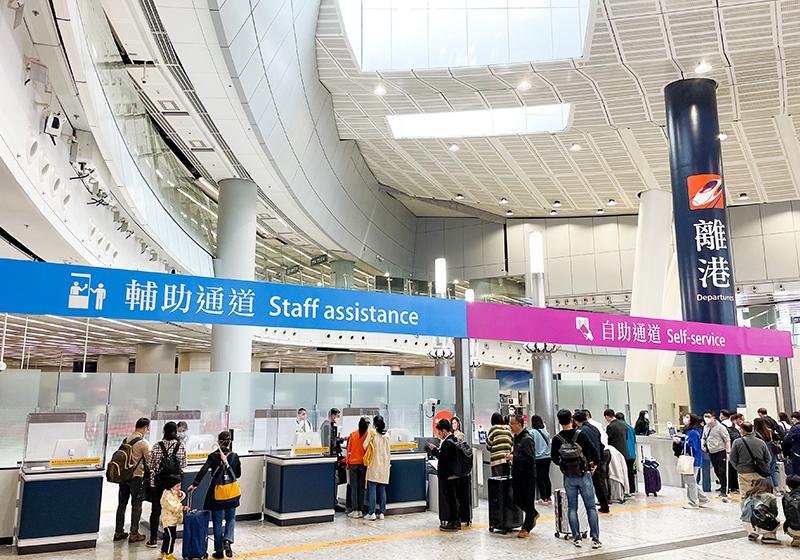
Popular Routes from Hong Kong
- Short-Haul: Shenzhen (Futian/North), Guangzhou South/East. For these 15–60 minute hops, Second Class seats are perfectly adequate.
- Long-Haul: Xiamen, Changsha, Shanghai, Beijing. For these journeys (4+ hours), we strongly recommend upgrading to First Class or booking a high speed train china business class seat to ensure you arrive rested.
Boarding Procedures
Unlike domestic mainland travel, departing from HK involves "One Place, Two Checks".
- Gate: Scan your ID/Passport/Home Return Permit to enter the gate.
- Immigration: Complete Hong Kong departure and Mainland China arrival immigration within the West Kowloon terminus before boarding.
- Boarding: Gates usually close 15 minutes before departure. Do not leave it to the last minute.
Luggage Allowance
Your seat choice doesn't change your luggage allowance significantly, but storage space varies.
- allowance: Generally 20kg per adult.
- Storage: Overhead racks fit small suitcases and backpacks. Large suitcases (24-inch+) must go in the luggage racks at the end of each carriage.
- First/Business Advantage: These carriages have fewer passengers, meaning less competition for luggage rack space.
On-Board Amenities
- Power: In Second Class, sockets are often located under the seat cushion (between your legs), which can be hard to find. In First and Business, they are located on the armrest. Most accept standard Chinese plugs (2-pin or 3-pin angled) and USB.
- Wi-Fi: Free Wi-Fi is available on most G-trains (requires a Chinese mobile number for SMS verification).
- Toilets: High-speed trains feature Western-style toilets and squat toilets. They are generally kept clean, but carrying a small pack of tissues is always a wise "just in case" strategy.
Practical Tips for Booking and Boarding
The easiest way is through Trip.com China Train—it’s English-friendly and accepts foreign passports (you can’t use an ID card like Chinese citizens). Here’s how:
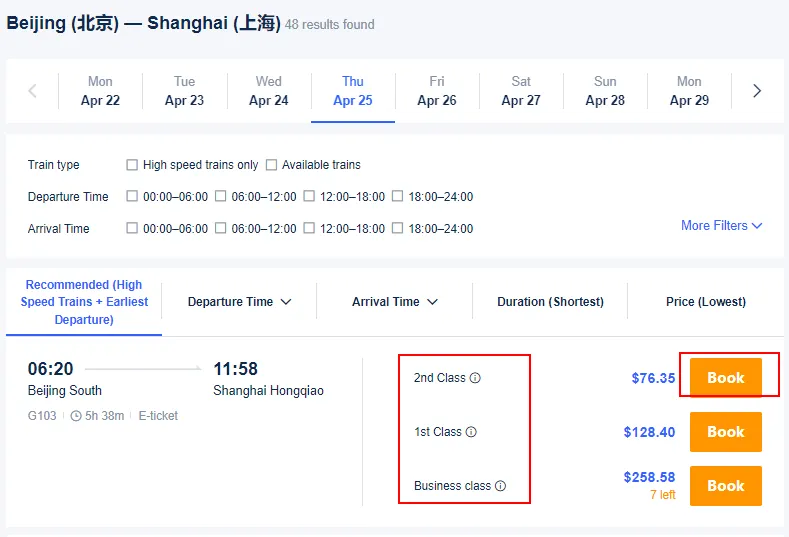
- Head to the "China Train Tickets" page on Trip.com.
- Enter your departure and arrival cities, travel date, and the number of passengers.

- Choose your train type (G/D/C/Z/T/K) and seat class.
- Enter your passport details (make sure they match your actual passport!).

- Pay with an international credit card or a digital wallet (Trip.com accepts most).
- You'll receive the e-ticket via email, and pick up the physical ticket at the train station before boarding (use your passport at the ticket office or a self-service ticket machine).
[8% Off] Discover China's Top Hotel Picks!
Conclusion
Whether you are zooming to Shenzhen for a business meeting or taking a leisurely trip to Guilin, choosing the right China bullet train seats is key to a smooth journey. For Hong Kong travellers, the convenience of West Kowloon combined with the comfort of First or Business class makes the "Gaotie" a fantastic alternative to flying. Remember to book early via Trip.com, especially during public holidays, to secure that coveted window seat!

FAQs about China High-Speed Train Seats
Are you allowed to rotate seats in China trains?
Yes, but only on high-speed trains (G, D, C) – most second/first class seats have a lever under the seat to rotate them 180 degrees. This is handy if you want to face friends or sit with your back to the direction of travel. Just make sure to rotate them back before the train arrives at your stop (staff may remind you).What happens if I miss my train in China?
You can’t take a later train with the same ticket, but you can change it (if possible). For high-speed trains, you can modify your ticket to an earlier/later train on the same day (same route) at the train station ticket counter—you’ll pay a small fee if you change to a more expensive ticket, or get a partial refund if it’s cheaper. If you miss the train and can’t change it, the ticket becomes invalid, so try to arrive at least 30 mins early.Can I sit in first class if the China train is full?
No, you can’t upgrade to first class for free if the train is full. You’d need to check with staff at the station (before boarding) or on the train if there are available first class seats—if yes, you’ll have to pay the difference between your original ticket and the first class fare. If there are no seats left, you can’t switch.Do you need a passport to go on the train in China?
Yes, for foreigners. You must show your passport when booking (via Trip.com or at the station) and when picking up your ticket. You may also need to show it when boarding (staff sometimes check), so keep it handy. Chinese citizens use their ID cards, but foreigners need a valid passport.Can you bring water on a train in China?
Yes, you can bring water (bottled or a reusable bottle) on any China train. There are also water dispensers on high-speed trains (near the bathrooms) where you can refill bottles for free. No need to worry about restrictions—just don’t bring more than you can carry.Can I use a credit card to buy a train ticket in China?
Yes, but it depends on where you book. If you book via Trip.com, you can use international credit cards (Visa, Mastercard) to pay. At train stations, most ticket counters and self-service machines accept Chinese credit cards, but some may not take international ones—so booking via Trip.com is easier for foreigners to avoid payment issues.Can I choose a specific seat when booking on Trip.com?
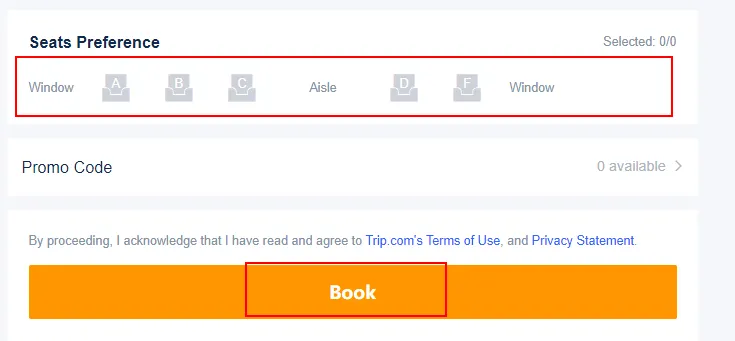
Yes, Trip.com lets you select specific seats (window, aisle, or middle) when booking high-speed train tickets (G, D, C). After choosing your train and class, you’ll see a seat map where you can pick your preferred seat (e.g., A or F for window seats in first/second class). For regular trains (Z, T, K), you can choose bunk type (upper/middle/lower for sleepers) but not specific compartment numbers.


已出售3555